What does Matthew 20:12 mean?
“Saying, These last have wrought but one hour, and thou hast made them equal unto us, which have borne the burden and heat of the day.” — Matthew 20:12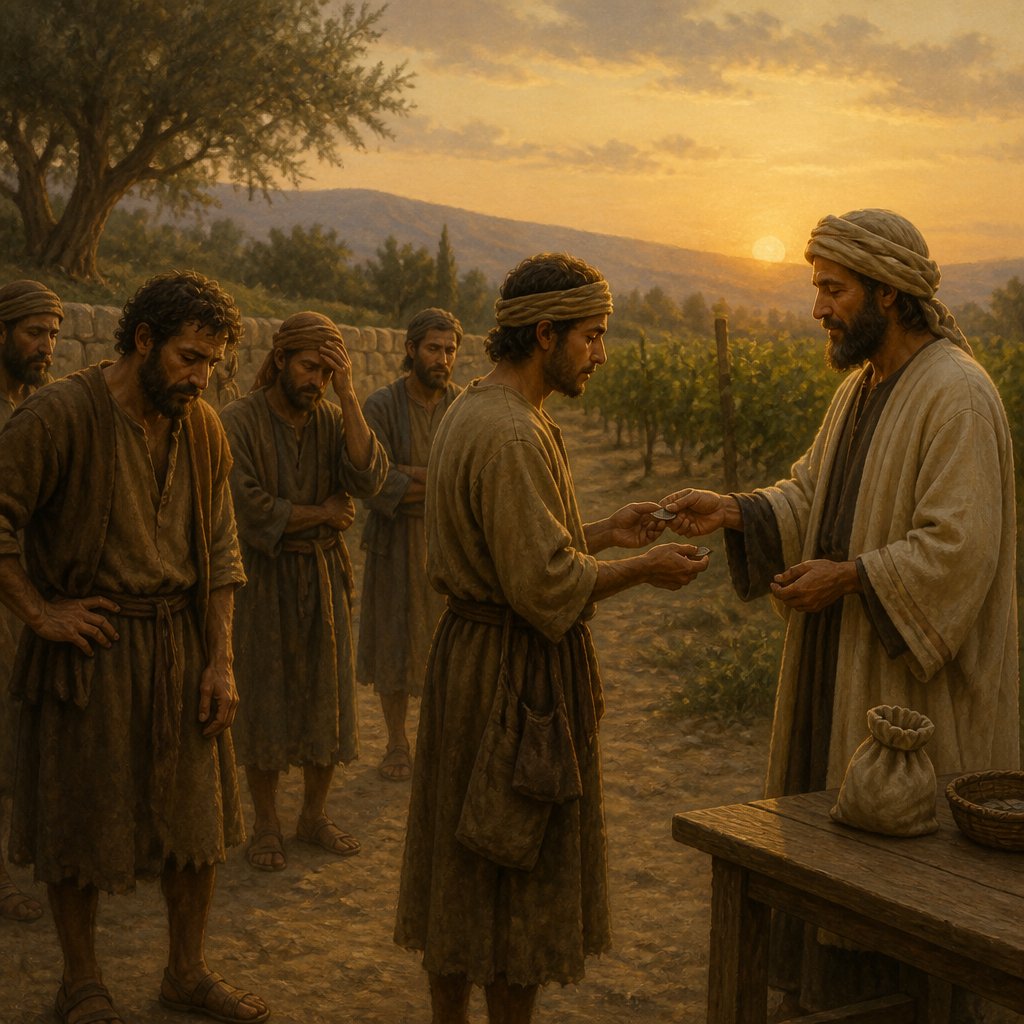
Matthew 20:12 (KJV) reads: "Saying, These last have wrought but one hour, and thou hast made them equal unto us, which have borne the burden and heat of the day."
This verse comes from the parable of the laborers in the vineyard, which is found in Matthew 20:1-16. In this parable, Jesus tells the story of a landowner who hires laborers to work in his vineyard at various times throughout the day. At the end of the day, the landowner pays all the laborers the same wage, regardless of how long they worked. This results in those who worked the longest feeling aggrieved and unjustly treated.
The context of this parable is important in understanding its meaning and the message that Jesus is trying to convey. The parable is found in the context of a discussion about rewards in the kingdom of heaven. In the preceding chapter, Peter had asked Jesus what the disciples would receive for following Him, to which Jesus replied that those who had left everything to follow Him would receive a hundredfold and inherit eternal life (Matthew 19:27-30). This leads into the parable of the laborers in the vineyard, which serves as an allegory for the kingdom of heaven.
The parable of the laborers in the vineyard addresses several important themes, including grace, equality, and the nature of God's kingdom. The landowner in the parable represents God, who is gracious and generous in His dealings with His people. The landowner's decision to pay all the laborers the same wage regardless of how long they worked reflects the grace and generosity of God, who offers salvation and eternal life to all who come to Him, regardless of their past or present circumstances.
The parable also speaks to the idea of equality in the kingdom of God. The laborers who worked the longest felt that they deserved more than those who worked for only a short time, but the landowner's response challenges the idea of merit-based rewards in God's kingdom. In God's economy, all are equal and equally deserving of His grace and mercy. This challenges the commonly held human belief that we must earn God's favor through our own efforts and good works.
Furthermore, the parable addresses the nature of God's kingdom, which is characterized by grace, mercy, and love. The landowner's actions reflect the heart of a loving and just God who offers salvation freely to all who come to Him. The parable also serves as a warning against the attitudes of entitlement, jealousy, and comparison that can creep into the hearts of believers. It reminds us that God's ways are not our ways, and His thoughts are higher than our thoughts (Isaiah 55:8-9).
Symbolically, the parable of the laborers in the vineyard can be understood as a representation of the gospel message. The vineyard represents the world, and the laborers represent those who respond to the call of the gospel at different times in their lives. The landowner represents God, who is generous and gracious, offering salvation and eternal life to all who come to Him, regardless of their past or present circumstances.
In conclusion, the parable of the laborers in the vineyard, and specifically Matthew 20:12, carries with it a powerful and timeless message about the nature of God's kingdom and the character of God Himself. It challenges our human notions of fairness and entitlement and reminds us of the grace and generosity of God. It calls believers to embrace a spirit of humility, gratitude, and contentment, and to trust in the goodness and justice of God.
Get our apps


Artwork for Matthew 20:12

Matthew 20:12 - "Saying, These last have wrought but one hour, and thou hast made them equal unto us, which have borne the burden and heat of the day."
"Saying, These last have wrought but one hour, and thou hast made them equal unto us, which have borne the burden and heat of the day." - Matthew 20:12

Matthew 12:20 - "A bruised reed shall he not break, and smoking flax shall he not quench, till he send forth judgment unto victory."

Matthew 17:20

Matthew 18:20

matthew 20:3

Matthew 18:20

Matthew 18:20

Matthew 17:20

Matthew 28:19-20

matthew 5 13-20

Matthew 20:29-34

Matthew 3:11-12

Matthew 28: 19-20

Matthew 28:19-20

Matthew 28:19-20

Matthew 15 : 1-20

Matthew 3:11-12

Matthew 20:20 - "¶ Then came to him the mother of Zebedee's children with her sons, worshipping him, and desiring a certain thing of him."

Matthew 3:12

Matthew 3:12

Matthew 23:12

Matthew 7:12

Matthew 23:12

Matthew 4:20 - "And they straightway left their nets, and followed him."

Matthew 7:12

Matthew 3:12

Matthew 7:20 - "Wherefore by their fruits ye shall know them."
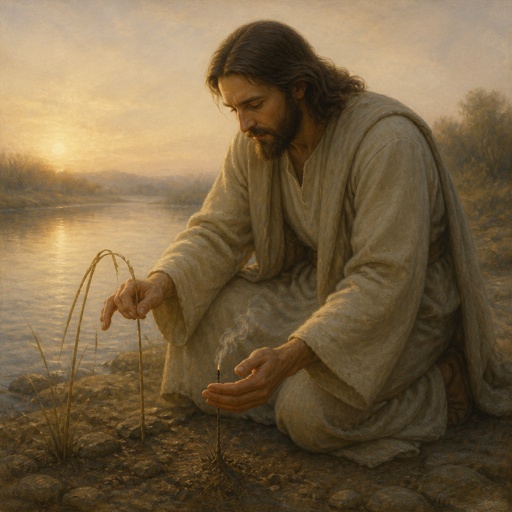
"A bruised reed shall he not break, and smoking flax shall he not quench, till he send forth judgment unto victory." - Matthew 12:20

Genesis 20-12