What does Matthew 21:15 mean?
“And when the chief priests and scribes saw the wonderful things that he did, and the children crying in the temple, and saying, Hosanna to the Son of David; they were sore displeased,” — Matthew 21:15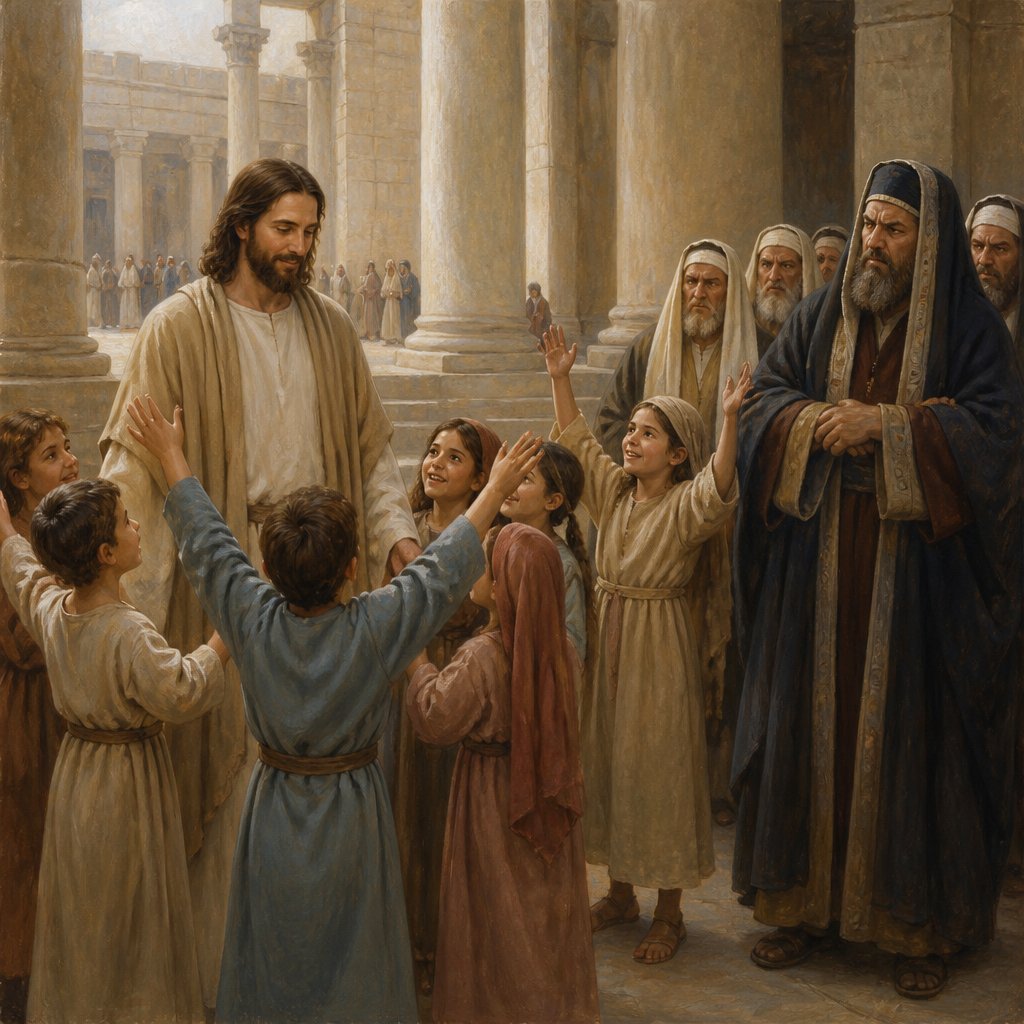
Matthew 21:15 in the King James Version of the Bible states, "And when the chief priests and scribes saw the wonderful things that he did, and the children crying in the temple, and saying, Hosanna to the son of David; they were sore displeased." This verse is part of a larger passage in the New Testament that tells the story of Jesus' triumphal entry into Jerusalem.
This particular verse takes place after Jesus has entered the city and the people have begun to praise him. The chief priests and scribes, who were religious leaders of the Jewish community, become upset when they see the children in the temple praising Jesus as the son of David and calling out "Hosanna." This reaction from the religious leaders sets the stage for the conflict that will ultimately lead to Jesus' crucifixion.
The verse is significant in several ways and provides insight into the themes of power, authority, and the rejection of Jesus as the Messiah. In this commentary, we will explore the historical and cultural context of the verse, its symbolism, and its relevance to the larger narrative of Jesus' ministry.
To fully understand the meaning of Matthew 21:15, it's important to look at the broader context in which it occurs. The events leading up to this verse are crucial to understanding the significance of the religious leaders' displeasure. Jesus had just entered Jerusalem on a donkey, fulfilling a prophecy from the Old Testament that the Messiah would come in this manner. The people of Jerusalem hailed him as the long-awaited King of Israel, spreading their cloaks and palm branches on the road before him, a gesture reserved for royalty. This triumphant entry into Jerusalem caused a stir among the religious and political leaders of the time.
The children crying out "Hosanna to the son of David" in the temple represents a continuation of the people's praise and recognition of Jesus as the promised Messiah. The phrase "Hosanna to the son of David" is a clear acknowledgment of Jesus' royal lineage as a descendant of King David, further solidifying his kingly identity. This public declaration of Jesus' status would have been deeply threatening to the religious leaders, as it challenged their own authority and power.
The reaction of the chief priests and scribes underscores the tension and conflict that existed between Jesus and the religious establishment. They were "sore displeased" by the people's praise of Jesus, revealing their jealousy and fear of losing their influence over the Jewish community. In their eyes, Jesus was a threat to their religious authority and the traditional Jewish hierarchy.
The theme of rejection is central to this verse, as it foreshadows the ultimate rejection of Jesus by the religious leaders and the Jewish people as a whole. Despite the miracles and "wonderful things" that Jesus had done, the religious establishment remained hardened in their disbelief and opposition to him. This sets the stage for the events that will unfold in the following days, leading to Jesus' arrest, trial, and crucifixion.
Symbolically, the children's praise in the temple represents the unreserved and pure acknowledgment of Jesus' messianic identity. Children are often seen as symbolic of innocence and purity in the Bible, and their spontaneous praise of Jesus highlights the genuine and unfiltered nature of their faith. This stands in stark contrast to the hardened hearts of the religious leaders, who are unable to recognize Jesus' true identity despite witnessing his miraculous works.
In a broader theological sense, this verse highlights the central conflict between the earthly powers and the divine authority of Jesus. The religious leaders, representing the established human authority, stand in opposition to the divine authority of Jesus, who has come to fulfill God's redemptive plan for humanity. The rejection of Jesus by the religious leaders ultimately serves as a catalyst for the fulfillment of God's ultimate purpose through the crucifixion and resurrection of Jesus.
In conclusion, Matthew 21:15 provides a significant insight into the ongoing tension and conflict between Jesus and the religious leaders of his time. The verse highlights the themes of power, authority, and rejection, as well as the pure and unreserved faith of the children in contrast to the hardened hearts of the religious establishment. This rejection ultimately sets the stage for the unfolding of God's redemptive plan through the crucifixion and resurrection of Jesus.
Get our apps


Artwork for Matthew 21:15

Matthew 21:15 - "And when the chief priests and scribes saw the wonderful things that he did, and the children crying in the temple, and saying, Hosanna to the Son of David; they were sore displeased,"

Matthew 21:15-16 - "But when the chief priests and the scribes saw the wonderful things that he did, and the children crying out in the temple, “Hosanna to the Son of David!” they were indignant, and they said to him, “Do you hear what these are saying?” And Jesus said to them, “Yes; have you never read, ‘Out of the mouth of infants and nursing babies you have prepared praise’?”"
"And when the chief priests and scribes saw the wonderful things that he did, and the children crying in the temple, and saying, Hosanna to the Son of David; they were sore displeased," - Matthew 21:15
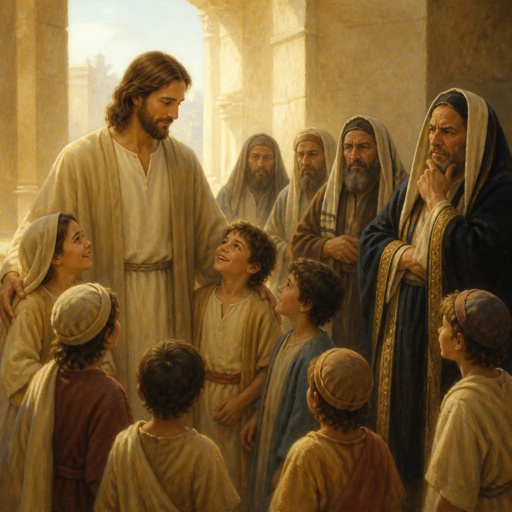
"But when the chief priests and the scribes saw the wonderful things that he did, and the children crying out in the temple, “Hosanna to the Son of David!” they were indignant, and they said to him, “Do you hear what these are saying?” And Jesus said to them, “Yes; have you never read, ‘Out of the mouth of infants and nursing babies you have prepared praise’?”" - Matthew 21:15-16

Matthew 15:21 - "¶ Then Jesus went thence, and departed into the coasts of Tyre and Sidon."
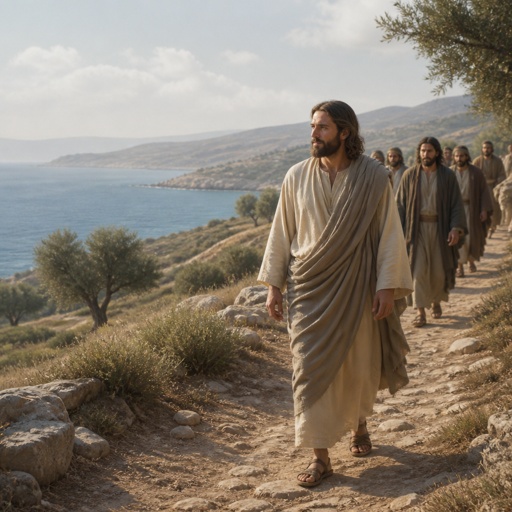
"¶ Then Jesus went thence, and departed into the coasts of Tyre and Sidon." - Matthew 15:21

matthew 15 matthew 15:10

Matthew 9:21

Matthew 21

Matthew 9:21-22

Matthew 9:21-22

Matthew 9:21-22

Matthew 9:21-22

Matthew 9:21-22

Matthew 25:21

Matthew 25:21

Matthew 21:31

Matthew 21:25

Matthew 2:21
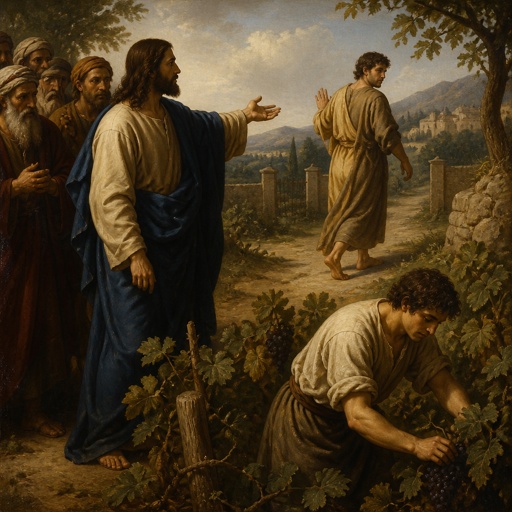
Matthew 21:28-32
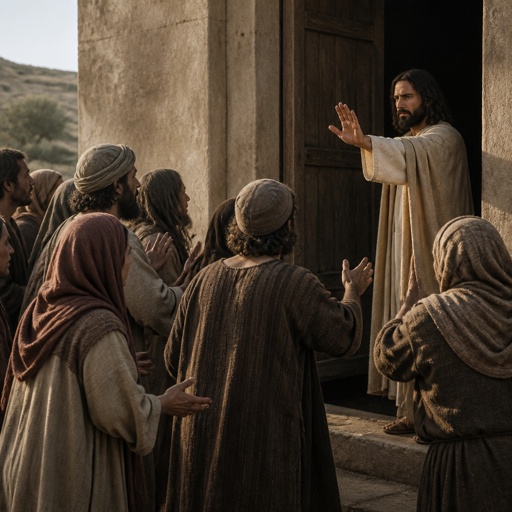
Matthew 7:21-23

Matthew 21:1-11

Matthew 14:13-21

Matthew 26:15

Matthew 26:15

Matthew 15:23

Matthew 24:15

Matthew 15:15 - "Then answered Peter and said unto him, Declare unto us this parable."

Matthew 5:15

Matthew 15:23