What does Matthew 21:15-16 mean?
“And when the chief priests and scribes saw the wonderful things that he did, and the children crying in the temple, and saying, Hosanna to the Son of David; they were sore displeased, And said unto him, Hearest thou what these say? And Jesus saith unto them, Yea; have ye never read, Out of the mouth of babes and sucklings thou hast perfected praise?” — Matthew 21:15-16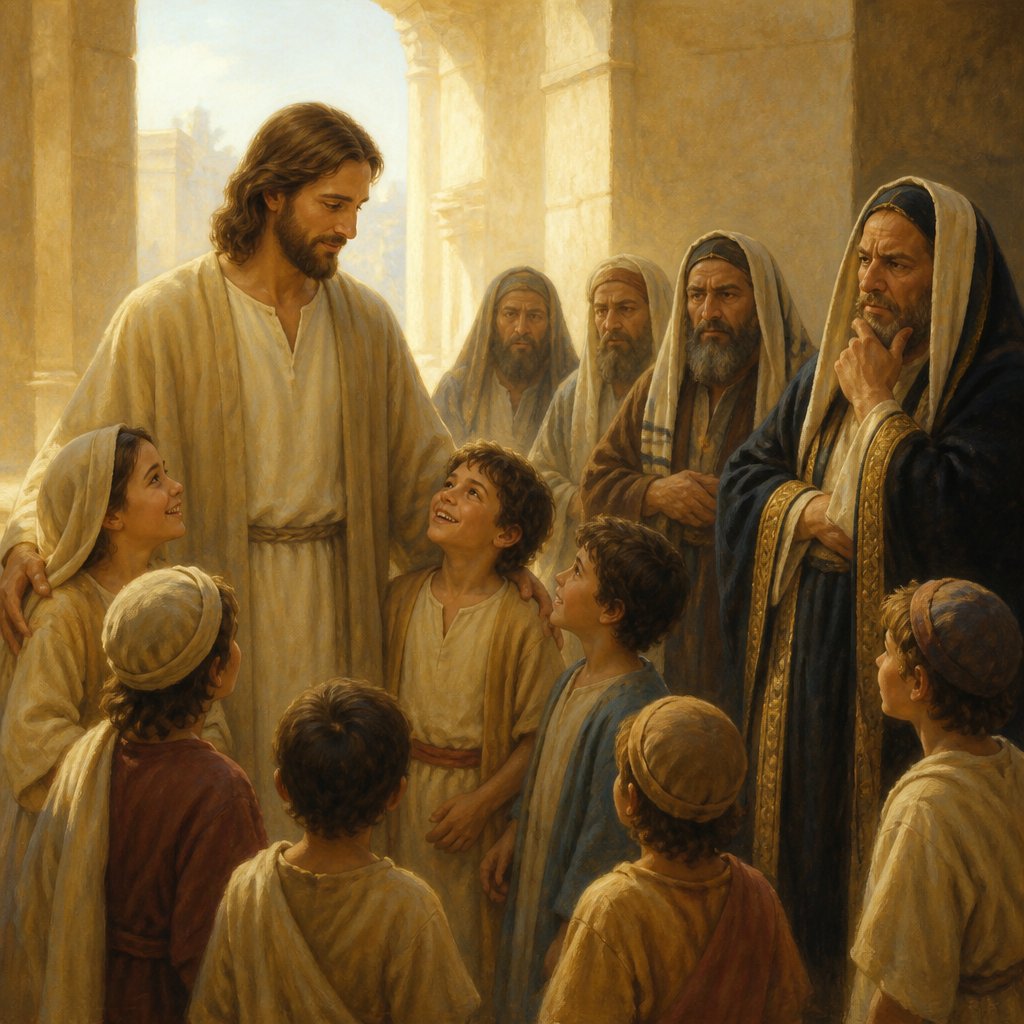
Matthew 21:15-16 in the King James Version (KJV) reads:
"And when the chief priests and scribes saw the wonderful things that he did, and the children crying in the temple, and saying, Hosanna to the son of David; they were sore displeased, and said unto him, Hearest thou what these say? And Jesus saith unto them, Yea; have ye never read, Out of the mouth of babes and sucklings thou hast perfected praise?"
This passage from the book of Matthew captures a significant moment in the life of Jesus Christ, and it holds various implications and lessons for believers. To truly understand the rich meaning and symbolism in these verses, it is essential to examine the context, themes, and historical significance.
Context:
Leading up to this event, Jesus had just entered Jerusalem on a donkey, fulfilling the prophecy of Zechariah 9:9 and publicly declaring His identity as the long-awaited Messiah. This stirred great excitement and anticipation among the people, and they began to welcome Him with shouts of "Hosanna" and praise. The religious leaders, however, were threatened by Jesus' growing popularity and authority, and they sought to discredit Him. As a result, they questioned Jesus about the children in the temple who were praising Him.
Themes:
1. Authority and Recognition of Jesus: The chief priests and scribes were witnessing the miraculous works Jesus performed and the adoration He received from the children in the temple. This challenged their authority and understanding of who Jesus was. The children's cries of "Hosanna to the son of David" acknowledged Jesus as the promised Messiah, the rightful heir to David's throne. Their recognition of Jesus as the Son of David affirmed His royal lineage and identity as the long-awaited Savior.
2. Childlike Faith and Praise: Jesus' response to the religious leaders' questioning highlights the theme of childlike faith and praise. He reminds them of the scriptural truth that even the praise of children, considered humble and unassuming, holds great significance in the eyes of God. This emphasizes the value of simple, sincere faith and worship, which often emanate from the pure and innocent hearts of children.
3. Opposition and Displeasure of Religious Leaders: The passage also reveals the growing hostility and opposition of the religious leaders towards Jesus. Their displeasure at the children's cries of praise reflects their refusal to acknowledge Jesus' authority and true identity. This sets the stage for the escalating conflict between Jesus and the religious establishment that ultimately leads to His crucifixion.
Symbolism:
The children's praise and Jesus' affirmation of their significance convey deeper symbolic meanings within the passage. The children represent the marginalized and humble in society, whose voices often go unheard or undervalued. Despite their status, their spontaneous and genuine praise of Jesus represents the inclusivity of God's kingdom, where all are welcome to approach Him with childlike faith and trust.
Furthermore, the temple serves as a symbolic backdrop for this encounter. As the central place of worship and religious authority, the temple was meant to be a sacred and inclusive space for all who sought God. The presence of the children in the temple and their heartfelt praise of Jesus challenges the religious leaders' rigid notions of tradition and hierarchy, emphasizing the universal accessibility of God's love and grace.
In this passage, Jesus not only defends the children's praise but also uses it as a teaching moment for the religious leaders and His disciples. He confronts their rigid understanding of religious norms and emphasizes the purity and authenticity of childlike faith. The contrasting attitudes of the religious leaders and the children serve as a powerful reminder of the transformative power of faith and the humility required to enter the kingdom of God.
In conclusion, Matthew 21:15-16 captures a significant moment in Jesus' ministry, highlighting themes of authority, recognition, childlike faith, and opposition. The passage serves as a compelling reminder for believers to approach God with humble and sincere hearts, and to recognize the intrinsic value of all who express genuine praise and faith. Jesus' interaction with the children in the temple challenges us to embrace the simplicity and authenticity of childlike faith, and to guard against pride and self-righteousness. It also serves as a warning to religious leaders and all who attempt to hinder or diminish the pure worship and praise of God's people. This passage continues to resonate with Christians today, drawing us into a deeper understanding of the transformative power of faith and the inclusive love of God.
Get our apps


Artwork for Matthew 21:15-16

Matthew 21:15-16 - "But when the chief priests and the scribes saw the wonderful things that he did, and the children crying out in the temple, “Hosanna to the Son of David!” they were indignant, and they said to him, “Do you hear what these are saying?” And Jesus said to them, “Yes; have you never read, ‘Out of the mouth of infants and nursing babies you have prepared praise’?”"
"But when the chief priests and the scribes saw the wonderful things that he did, and the children crying out in the temple, “Hosanna to the Son of David!” they were indignant, and they said to him, “Do you hear what these are saying?” And Jesus said to them, “Yes; have you never read, ‘Out of the mouth of infants and nursing babies you have prepared praise’?”" - Matthew 21:15-16

Matthew 15:21 - "¶ Then Jesus went thence, and departed into the coasts of Tyre and Sidon."

Matthew 15:16 - "And Jesus said, Are ye also yet without understanding?"

Matthew 16:15 - "He saith unto them, But whom say ye that I am?"
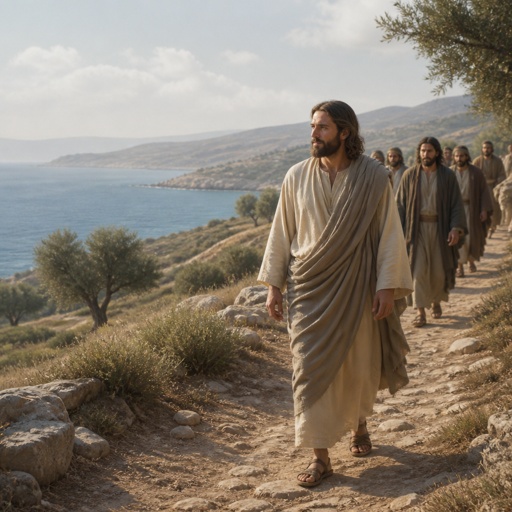
"¶ Then Jesus went thence, and departed into the coasts of Tyre and Sidon." - Matthew 15:21
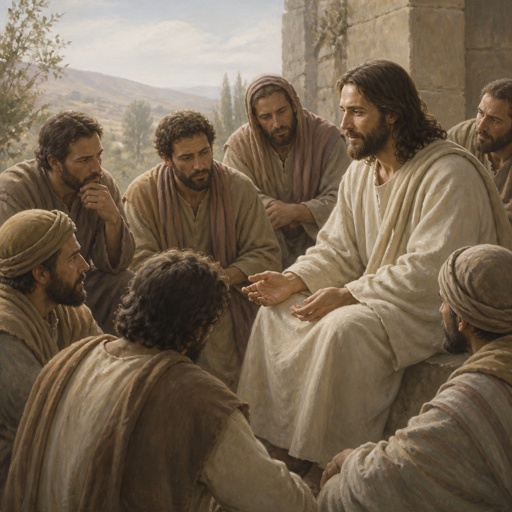
"And Jesus said, Are ye also yet without understanding?" - Matthew 15:16

Matthew 21:15 - "And when the chief priests and scribes saw the wonderful things that he did, and the children crying in the temple, and saying, Hosanna to the Son of David; they were sore displeased,"
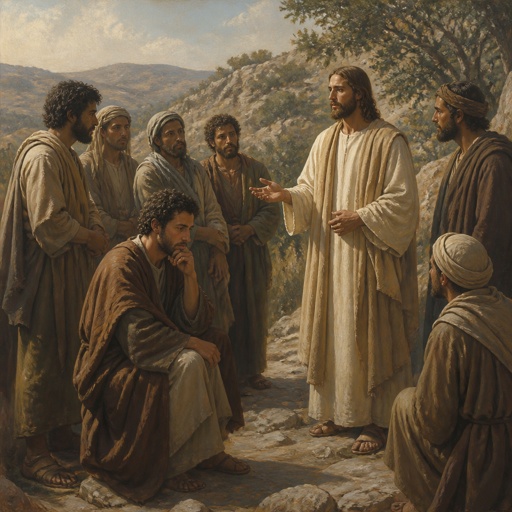
"He saith unto them, But whom say ye that I am?" - Matthew 16:15

matthew 15 matthew 15:10
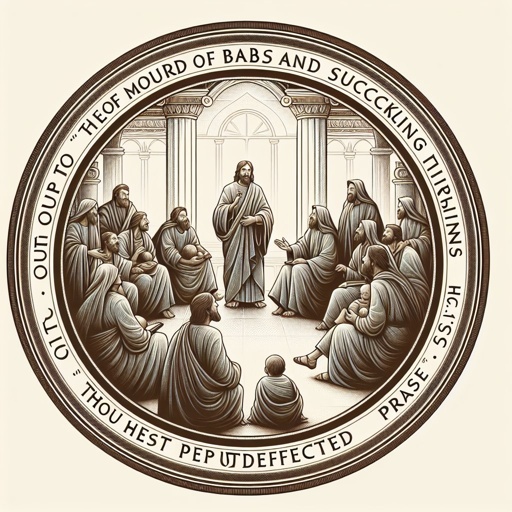
Matthew 21:16 - "And said unto him, Hearest thou what these say? And Jesus saith unto them, Yea; have ye never read, Out of the mouth of babes and sucklings thou hast perfected praise?"

Matthew 16:21 - "¶ From that time forth began Jesus to shew unto his disciples, how that he must go unto Jerusalem, and suffer many things of the elders and chief priests and scribes, and be killed, and be raised again the third day."

Matthew 9:21

Matthew 21

Matthew 9:21-22

Matthew 9:21-22

Matthew 9:21-22

Matthew 9:21-22

Matthew 9:21-22

Matthew 3:16

Matthew 25:21

Matthew 25:21

Matthew 3:16

Matthew 3:16

Matthew 21:31

Matthew 21:25

Matthew 2:21

Matthew 21:12-16 - "Matthew 21:12-16 Jesus entered the temple courts and drove out all who were buying and selling there. He overturned the tables of the money changers and the benches of those selling doves. “It is written,” he said to them, “‘My house will be called a house of prayer,’ but you are making it ‘a den of robbers.’” The blind and the lame came to him at the temple, and he healed them. But when the chief priests and the teachers of the law saw the wonderful things he did and the children shouting in the temple courts, “Hosanna to the Son of David,” they were indignant. "Do you hear what these children are saying?" they asked him. "Yes," replied Jesus, "have you never read, "'From the lips of children and infants you, Lord, have called forth your praise'?""

Matthew 16:25
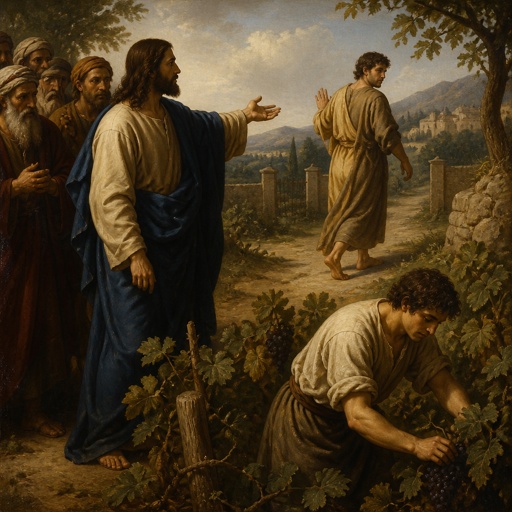
Matthew 21:28-32