What does Matthew 21:3 mean?
"And if any man say ought unto you, ye shall say, The Lord hath need of them; and straightway he will send them." - Matthew 21:3
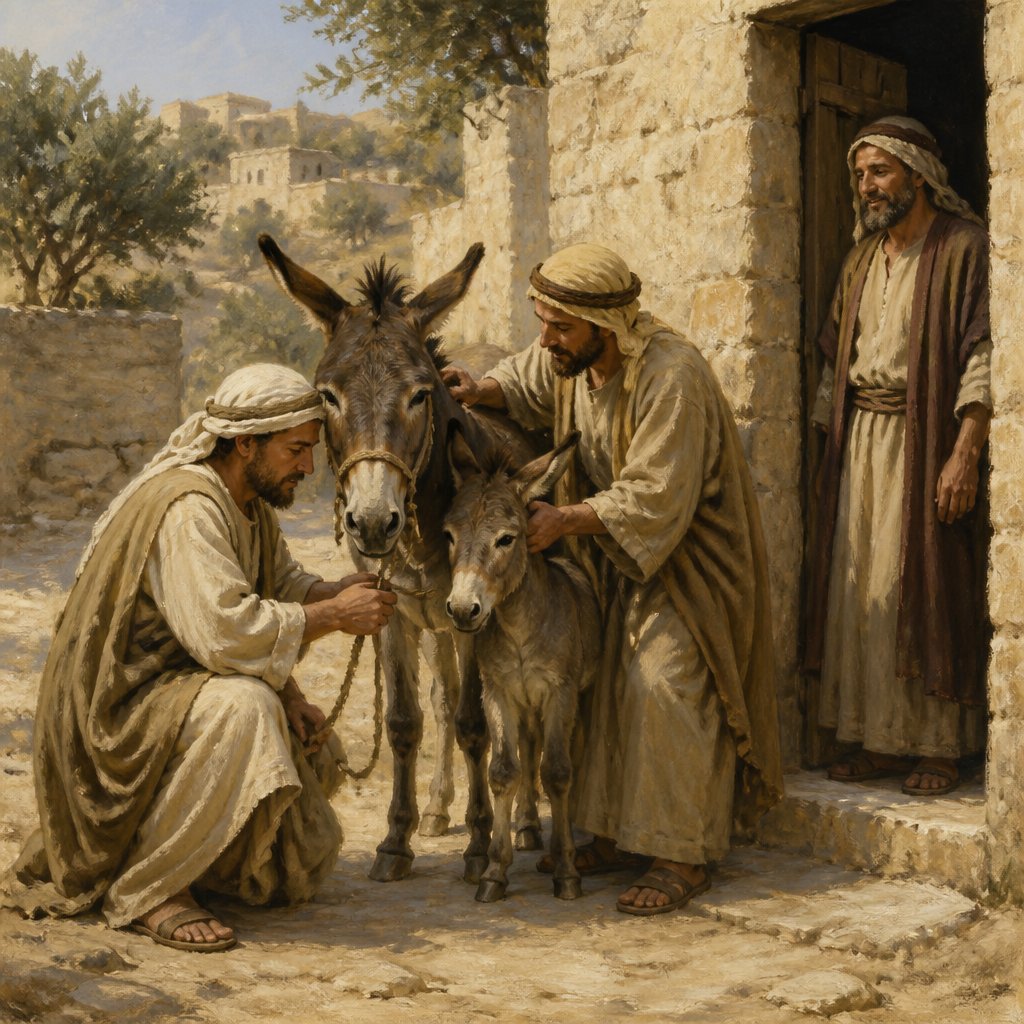
Matthew 21:3 in the King James Version of the Bible reads, "And if any man say ought unto you, ye shall say, The Lord hath need of them; and straightway he will send them." This verse is part of the larger passage in which Jesus instructs his disciples to go into a village and find a donkey and her colt, which they are to bring to Him. The donkey and her colt are to be used for Jesus' triumphant entry into Jerusalem.
This verse carries several important themes, including obedience, faith, and the sovereignty of God. It also speaks to the prophetic nature of Jesus and his fulfillment of Old Testament prophecies. Additionally, there are symbolic elements within this verse that hold significance for Christian doctrine and belief.
One of the key themes in this verse is obedience. Jesus instructs his disciples to do something that may have seemed strange or unorthodox – to bring Him a donkey and her colt. However, the disciples obey without question, demonstrating their faith and trust in Jesus' instructions. This underscores the importance of obedience in the life of a Christian. Obedience to God's commandments and directives is an essential aspect of faith and discipleship.
Another important theme in this verse is faith. The disciples' willingness to obey Jesus' command without fully understanding the purpose or reasoning behind it shows their faith in Him. They trust that Jesus knows what He is doing and believe that His instructions are for a greater purpose. This theme of faith is central to the Christian belief system, as faith in Jesus Christ is the foundation of salvation and the Christian life.
Furthermore, this verse speaks to the sovereignty of God. Jesus confidently tells the disciples that if anyone questions their actions, they should respond, "The Lord hath need of them," indicating that God's authority and purpose supersedes any human objections or concerns. This assertion speaks to the overarching sovereignty of God in all things, including the fulfillment of His divine plans and purposes through Jesus Christ.
In addition to these themes, there are deeper symbolic elements within this verse. The donkey and her colt are rich with symbolic meaning in the biblical narrative. In the Old Testament, donkeys were used as symbols of peace and humility. The prophet Zechariah, in Zechariah 9:9, foretold that the Messiah would enter Jerusalem riding on a donkey, fulfilling a messianic prophecy. By instructing his disciples to bring him a donkey and her colt, Jesus not only fulfills this prophecy but also signals his peaceful and humble nature as the Messiah.
The act of Jesus riding into Jerusalem on a donkey also holds symbolic significance. It was customary for conquering kings to enter a city on horseback as a sign of power and dominance. However, Jesus deliberately chooses a donkey, symbolizing his peaceful and nonviolent mission. This act demonstrates Jesus' fulfillment of the Messianic prophecies and establishes Him as the long-awaited Savior.
In a broader context, this verse is a crucial part of the events leading up to Jesus' crucifixion and resurrection. His triumphant entry into Jerusalem on a donkey marked the beginning of the Passover week and set in motion the events that would ultimately lead to His death and resurrection. The donkey and her colt, the disciples' obedience, and Jesus' deliberate fulfillment of prophecy all point to the divine plan of salvation through Jesus Christ.
Overall, Matthew 21:3 holds profound meaning and significance within the biblical narrative. It speaks to themes of obedience, faith, and the sovereignty of God, while also carrying powerful symbolic elements that reinforce Jesus' messianic identity and mission. This verse serves as a testament to the prophetic nature of Jesus and the fulfillment of Old Testament prophecies, laying the groundwork for the culmination of God's redemptive plan through the death and resurrection of Jesus Christ.
Have questions about Matthew 21:3?
Dive deeper into this scripture with Bible Chat — an AI-powered tool for exploring God's Word through conversation. Ask questions, get context, and grow in your understanding of the Bible.
Get Our Apps


Matthew 21:3 Artwork
Matthew 21:3 - "And if any man say ought unto you, ye shall say, The Lord hath need of them; and straightway he will send them."
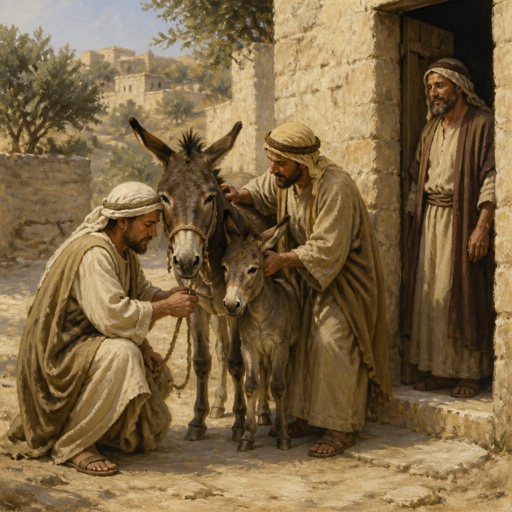
"And if any man say ought unto you, ye shall say, The Lord hath need of them; and straightway he will send them." - Matthew 21:3

Matthew 9:21

Matthew 9:21-22

Matthew 21

Matthew 9:21-22

Matthew 9:21-22

Matthew 9:21-22

Matthew 9:21-22

Matthew 25:21

Matthew 25:21

Matthew 21:31

Matthew 21:25

Matthew 2:21

Matthew 21:1-11

Matthew 14:13-21

Matthew 17:14-21

Matthew 21:21 Philippians 4:6-7 Ephesians 6:10-18 Put the words on the photo

Matthew 12:21 - "And in his name shall the Gentiles trust."

Matthew 21:6 - "And the disciples went, and did as Jesus commanded them,"

Matthew 17:21 - "Howbeit this kind goeth not out but by prayer and fasting."

Matthew 6:21 - "For where your treasure is, there will your heart be also."

Matthew 3:11

Matthew 3:16

Matthew 3:11

Matthew 3:11

Matthew 3:11

Matthew 3:11

Matthew 21:11 - "And the multitude said, This is Jesus the prophet of Nazareth of Galilee."

Matthew 21:18 - "Now in the morning as he returned into the city, he hungered."