What does Matthew 21:5 mean?
“Tell ye the daughter of Sion, Behold, thy King cometh unto thee, meek, and sitting upon an ass, and a colt the foal of an ass.” — Matthew 21:5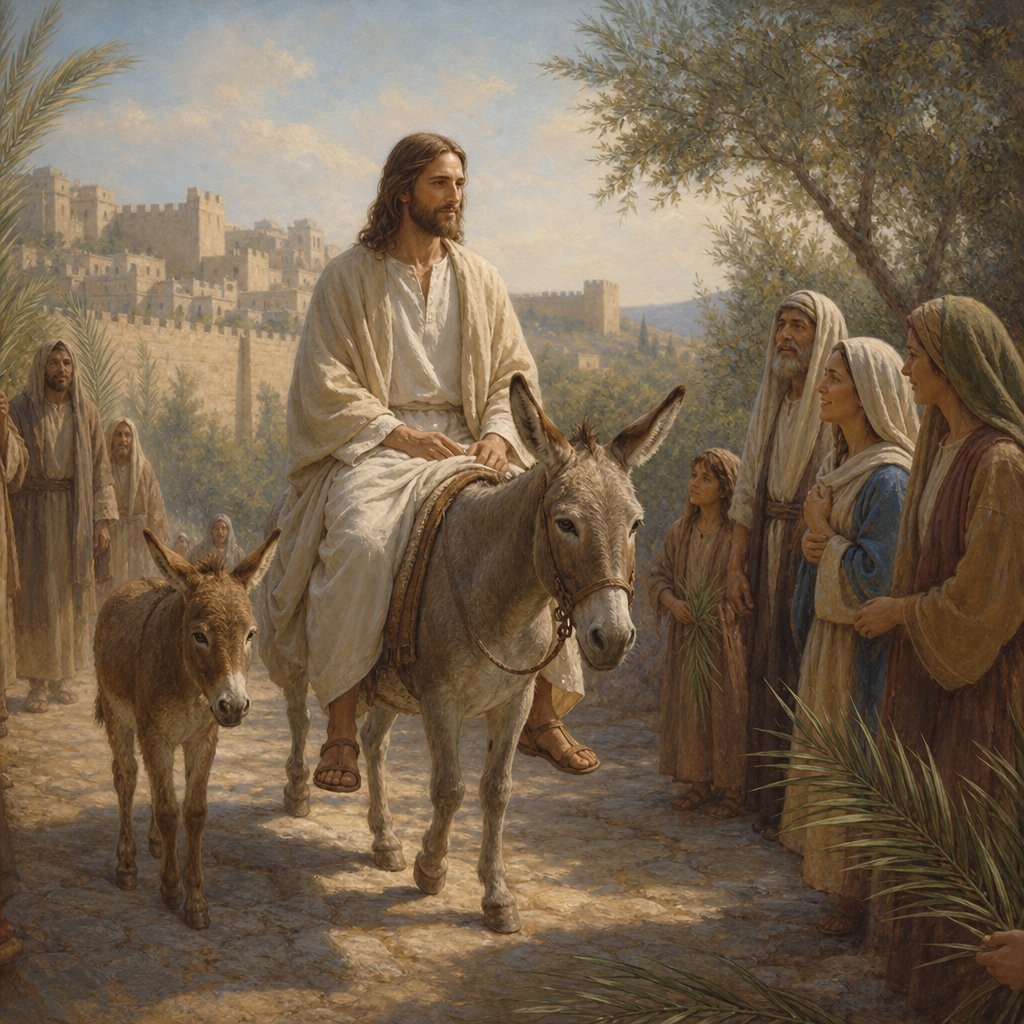
Matthew 21:5 in the King James Version (KJV) of the Bible reads, "Tell ye the daughter of Sion, Behold, thy King cometh unto thee, meek, and sitting upon an ass, and a colt the foal of an ass."
This verse is part of the account of Jesus' triumphal entry into Jerusalem on Palm Sunday. The context of this verse is important in understanding its significance. Jesus and his disciples were making their way to Jerusalem for the Passover festival. As they approached the city, Jesus instructed two of his disciples to go into a nearby village and bring back a donkey and its colt for him to ride on. This act fulfilled the prophecy in Zechariah 9:9, which said, "Behold, thy King cometh unto thee: he is just, and having salvation; lowly, and riding upon an ass, and upon a colt the foal of an ass."
The choice of a donkey as a symbol of Jesus' entry into Jerusalem holds deep meaning. In biblical times, a king riding on a donkey symbolized peace and humility, as opposed to a king riding on a horse, which symbolized war and conquest. By choosing to ride on a donkey, Jesus demonstrated his peaceful intentions and his desire to bring salvation and peace to the people. This act fulfilled the Messianic prophecy of the peaceful and humble nature of the Messiah.
The use of the term "daughter of Sion" in this verse also holds significance. "Daughter of Sion" is a poetic reference to the city of Jerusalem itself. This title speaks to the intimate and tender relationship between God and his chosen people. It also carries a tone of longing and anticipation, as if the city itself is being addressed and instructed to prepare for the arrival of the King.
The themes of humility, kingship, and fulfillment of prophecy are prominent in this verse. The humility of Jesus, as he enters Jerusalem on a donkey, stands in stark contrast to the grandeur and pomp often associated with kings and rulers. His choice to fulfill the prophecy of Zechariah not only underscored his divine authority but also demonstrated his willingness to fulfill the prophetic expectations of the Jewish people.
Furthermore, the prophecy in Zechariah 9:9 emphasizes the lowliness and meekness of the King who comes to bring salvation. This contradicts the expectations of the people at the time, who were anticipating a Messiah who would liberate them from Roman oppression and establish an earthly kingdom. Jesus' humble mode of transportation challenged these expectations and pointed to a different kind of kingship—one that embodies servanthood, sacrifice, and redemption.
The symbolism of the donkey itself is significant in the wider biblical context. Throughout the Old Testament, donkeys are often associated with humility, service, and steadfastness. For example, Abraham rode a donkey when he took Isaac to Mount Moriah for sacrifice (Genesis 22:3), and the prophet Balaam's donkey spoke to him, revealing God's message (Numbers 22:21-34). By choosing to ride a donkey, Jesus aligned himself with this tradition of humble servitude and obedience to God's will.
In summary, Matthew 21:5 captures the profound significance of Jesus' triumphal entry into Jerusalem, signaling the fulfillment of Old Testament prophecies and the arrival of the long-awaited King. The choice of a donkey, the reference to the "daughter of Sion," and the fulfillment of Zechariah's prophecy all point to the themes of humility, kingship, and the unexpected nature of Jesus' messianic mission. This verse serves as a powerful reminder of Jesus' divine authority as the peaceful and humble King who came to bring salvation to his people.
Get our apps


Artwork for Matthew 21:5

Matthew 21:5 - "Tell ye the daughter of Sion, Behold, thy King cometh unto thee, meek, and sitting upon an ass, and a colt the foal of an ass."

"Tell ye the daughter of Sion, Behold, thy King cometh unto thee, meek, and sitting upon an ass, and a colt the foal of an ass." - Matthew 21:5
Matthew 21:5 Tell ye the daughter of Sion, Behold, thy King cometh unto thee, meek, and sitting upon an ass, and a colt the foal of an ass.
"Tell ye the daughter of Sion, Behold, thy King cometh unto thee, meek, and sitting upon an ass, and a colt the foal of an ass." - Matthew 21:5
Matthew 5:21 - "¶ Ye have heard that it was said by them of old time, Thou shalt not kill; and whosoever shall kill shall be in danger of the judgment:"

Matthew 9:21

Matthew 21

Matthew 9:21-22

Matthew 9:21-22

Matthew 9:21-22

Matthew 9:21-22

Matthew 9:21-22

Matthew 25:21

Matthew 25:21

Matthew 21:31

Matthew 21:25

Matthew 2:21
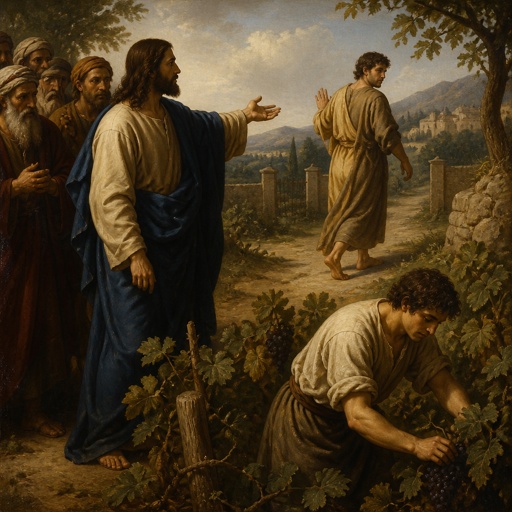
Matthew 21:28-32
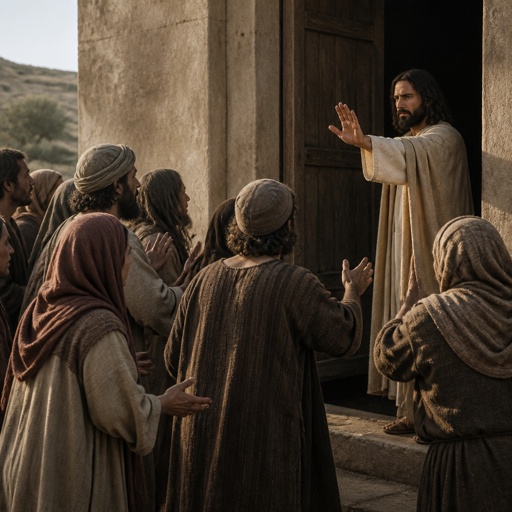
Matthew 7:21-23

Matthew 21:1-11

Matthew 14:13-21

Matthew 5:5 - "Blessed are the meek: for they shall inherit the earth."

Matthew 17:14-21

Matthew 5:44

Matthew 5:44

Matthew 5

Matthew 5

Matthew 5:44

Matthew 5:44

Matthew 21:21 Philippians 4:6-7 Ephesians 6:10-18 Put the words on the photo