What does Matthew 22:15 mean?
"Then went the Pharisees, and took counsel how they might entangle him in his talk." - Matthew 22:15
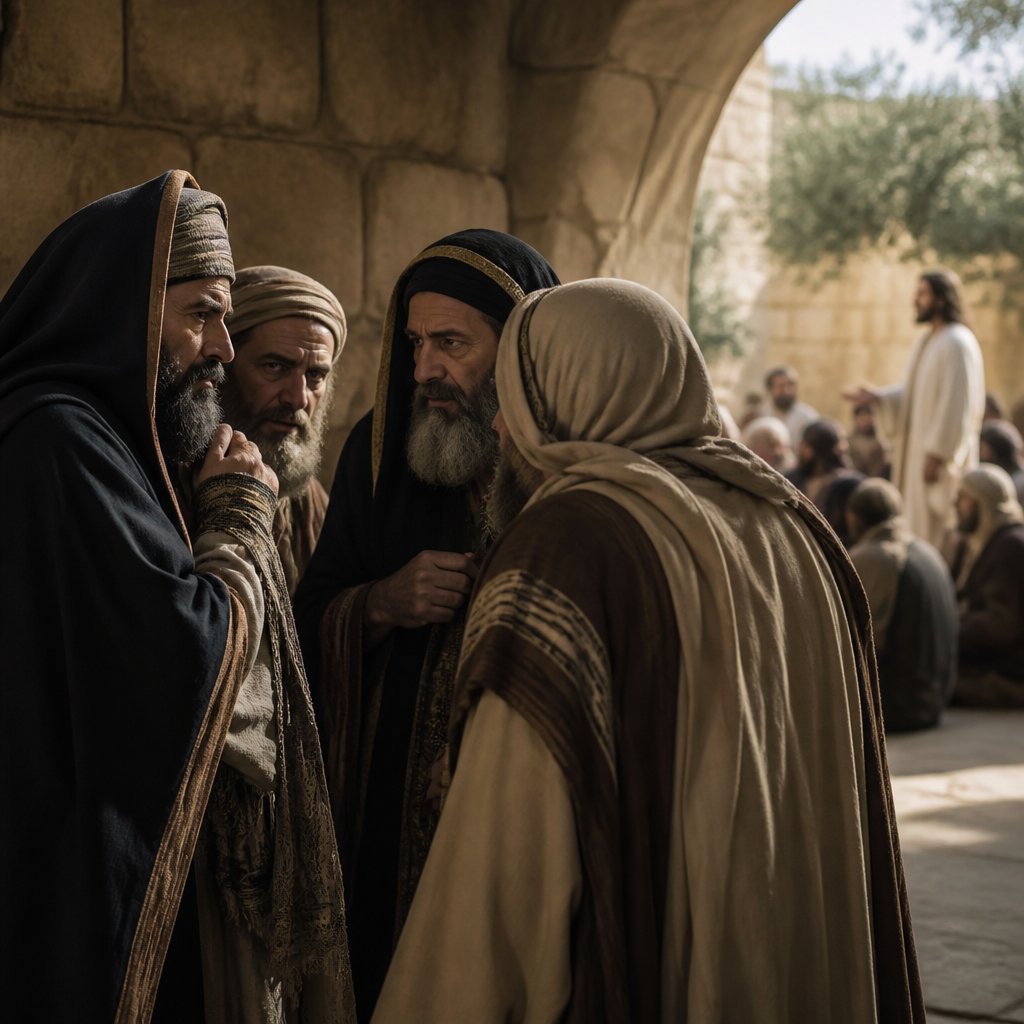
Matthew 22:15 (KJV) – “Then went the Pharisees, and took counsel how they might entangle him in his talk.”
This verse comes from the New Testament of the Bible and is part of the Gospel of Matthew, which is traditionally attributed to the apostle Matthew, a tax collector who became one of Jesus' twelve disciples. Matthew 22:15 is found in the section of the Gospel of Matthew where Jesus is engaged in a series of debates and discussions with the religious authorities in Jerusalem, just a few days before his crucifixion.
The verse depicts a situation where the Pharisees, a religious sect in Judaism known for their strict adherence to the Mosaic Law, are plotting to entangle Jesus in his words. Throughout the Gospels, Jesus had gained a reputation for his wisdom and ability to address the religious leaders' questions and challenges, often leaving them unable to respond. This made the Pharisees and other religious authorities increasingly anxious about Jesus' influence and popularity among the people, leading them to seek ways to discredit him.
The phrase "how they might entangle him in his talk" indicates the Pharisees' desire to trap Jesus into saying something incriminating or contradictory, so they could accuse him before the people or the Roman authorities. This reflects the ongoing tension and conflict between Jesus and the religious establishment, as well as the political complexities of the time, as the land of Israel was under Roman occupation.
The context of this verse is essential for understanding its significance. It takes place during the last week of Jesus' life, while he is teaching in the temple and engaging in discussions with various groups, including the Pharisees, Sadducees, and scribes. This chapter of Matthew's Gospel includes several parables and confrontations between Jesus and his opponents, highlighting the growing hostility towards him and the increasing stakes of his ministry.
The verse also serves as a precursor to the famous encounter known as the "Render unto Caesar" incident, where the Pharisees, along with the Herodians, attempt to entrap Jesus by asking whether it is lawful to pay taxes to Caesar (Matthew 22:17). Jesus' response to this question, "Render therefore unto Caesar the things which are Caesar's; and unto God the things that are God's" (Matthew 22:21, KJV), demonstrates his deftness in navigating the political and religious pressures of his time.
In terms of themes and symbolism, Matthew 22:15 underscores the ongoing conflict between Jesus and the religious authorities, as well as the broader themes of power, authority, and the nature of Jesus' mission. It reflects the tension between the divine kingdom that Jesus preached and the earthly powers that sought to undermine him. Additionally, it hints at the tactics of deception and manipulation employed by the Pharisees, contrasting their motives with Jesus' genuine commitment to truth and righteousness.
Moreover, the verse invites readers to reflect on the nature of dialogue, debate, and the use of words in engaging with religious and moral issues. It highlights the ethical dimensions of speech and communication, drawing attention to the ways in which language can be used for both positive and negative ends. This resonates with broader biblical themes regarding the importance of truthfulness, integrity, and the power of words to bring about transformation or deception.
In conclusion, Matthew 22:15 captures a pivotal moment in the Gospel narrative, reflecting the tensions and complexities of Jesus' ministry in the face of opposition and scrutiny from the religious and political authorities. It highlights the strategic maneuvers and confrontations that characterize Jesus' final days in Jerusalem and offers deeper insights into the ethical and theological dimensions of his teachings. As such, this verse continues to be a rich source of reflection and interpretation for readers seeking to understand the deeper significance of Jesus' message and mission.
Have questions about Matthew 22:15?
Dive deeper into this scripture with Bible Chat — an AI-powered tool for exploring God's Word through conversation. Ask questions, get context, and grow in your understanding of the Bible.
Get Our Apps


Matthew 22:15 Artwork

Matthew 22:15 - "¶ Then went the Pharisees, and took counsel how they might entangle him in his talk."
"¶ Then went the Pharisees, and took counsel how they might entangle him in his talk." - Matthew 22:15

matthew 15 matthew 15:10
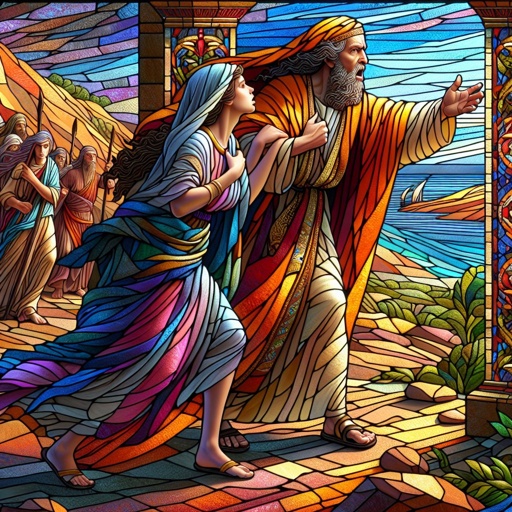
Matthew 15:22 - "And, behold, a woman of Canaan came out of the same coasts, and cried unto him, saying, Have mercy on me, O Lord, thou Son of David; my daughter is grievously vexed with a devil."

Matthew 9:21-22

Matthew 15:22 And behold, a woman of Canaan came from that region and cried out to Him, saying, “Have mercy on me, O Lord, Son of David! My daughter is severely demon-possessed.”

Matthew 9:21-22

Matthew 9:21-22

Matthew 9:21-22

Matthew 9:21-22

Matthew 22:22 - "When they had heard these words, they marvelled, and left him, and went their way."

Matthew 6:22

Matthew 6:22

Matthew 6:22

Matthew 22:38 - "This is the first and great commandment."

Matthew 14:22-33

Matthew 26:15

Matthew 26:15

Matthew 15:23

Matthew 24:15

Matthew 22:37-39

Matthew 15:15 - "Then answered Peter and said unto him, Declare unto us this parable."

Matthew 5:15

Matthew 15:23

Matthew 5:15

Matthew 22:14 - "For many are called, but few are chosen."

Matthew 22:36 - "Master, which is the great commandment in the law?"

Genesis 22:15

Exodus 15:22

Matthew 22:27 - "And last of all the woman died also."