What does Matthew 22:17 mean?
“Tell us therefore, What thinkest thou? Is it lawful to give tribute unto Caesar, or not?” — Matthew 22:17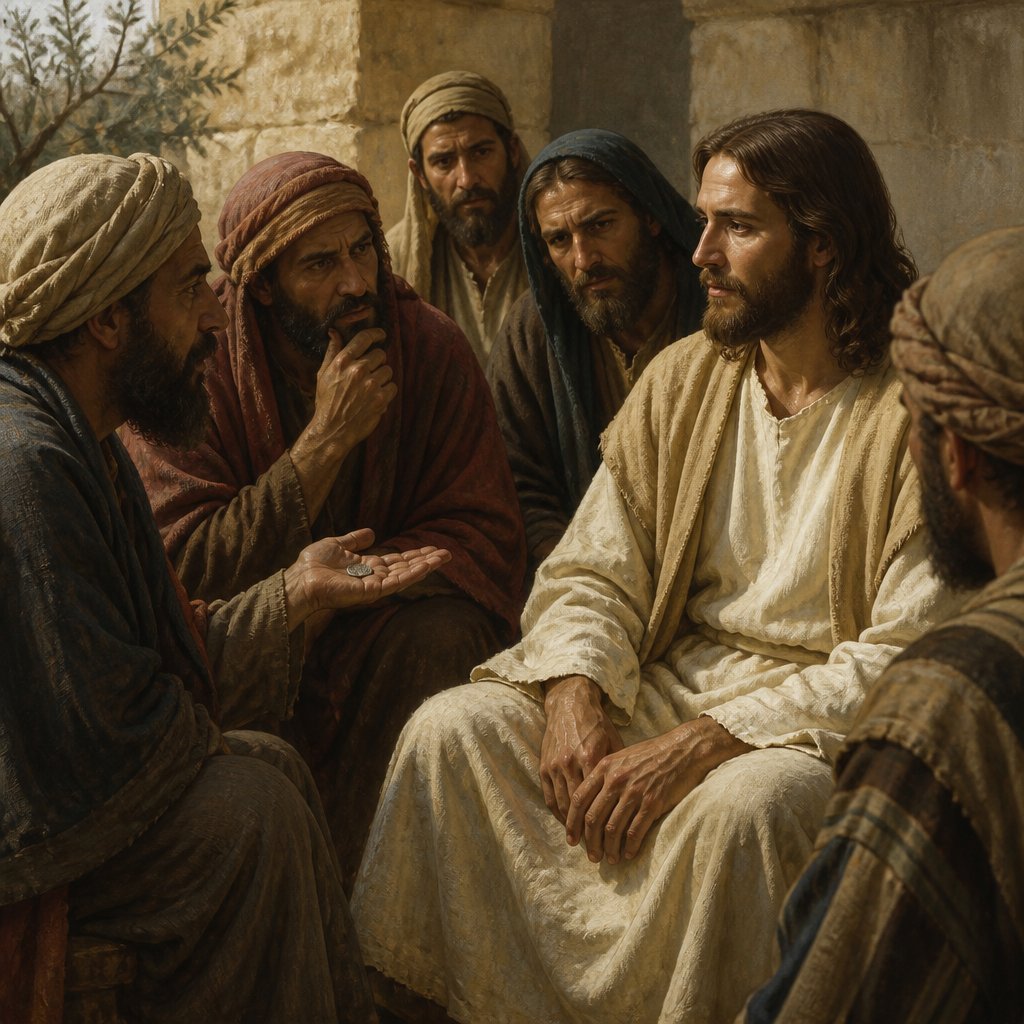
Matthew 22:17 in the King James Version (KJV) reads, "Tell us therefore, What thinkest thou? Is it lawful to give tribute unto Caesar, or not?" This verse is a part of a larger narrative in the book of Matthew, where the Pharisees and the Herodians sought to trap Jesus with a question about paying taxes to Caesar.
The context of this verse is important in understanding its deeper meaning. Jesus had been teaching and preaching in the temple when the Pharisees and the Herodians, who were usually opponents, came together to question him. They asked whether it was lawful to pay taxes to Caesar, an attempt to force Jesus to take a stance that would alienate him from one group or another.
This verse raises the enduring question of the proper relationship between worldly powers and religious values. On the surface, the question seems straightforward, but it holds deeper implications. If Jesus had said it was lawful to pay taxes to Caesar, he would have alienated the people who opposed Roman rule. On the other hand, if he had said it was not lawful, he would have been seen as a revolutionary and could have faced arrest by Roman authorities.
In asking Jesus this question, the Pharisees and Herodians were attempting to entrap him. They knew that if he said it was lawful to pay taxes, he would lose credibility with the Jews who resented Roman domination. If he said it was not lawful, he would be found guilty of sedition. But Jesus' response reveals his wisdom and spiritual insight.
The symbolism in this verse is worth exploring. The coin used to pay taxes to Caesar bore his image and inscription, symbolizing the authority and power of the Roman Empire. By asking whose image was on the coin, Jesus demonstrated that the people were already giving to Caesar what belonged to him. He was indicating that material things were of little consequence in comparison to spiritual matters.
The larger theme of this verse is the tension between religious and secular authority. It raises questions about how individuals should navigate the demands of the world with their spiritual beliefs. It also speaks to the idea of living in the world but not being of the world, as it encourages believers to prioritize their spiritual principles over worldly concerns.
When Jesus responded "Render therefore unto Caesar the things which are Caesar's; and unto God the things that are God's" in Matthew 22:21, he effectively addressed the dual allegiances of Christians. He was teaching that while temporal matters should be respected and dealt with appropriately, ultimate loyalty and obedience belong to God. This response highlights the fundamental Christian principle of living in both the world and the kingdom of God, with a commitment to justice, compassion, and righteousness.
In conclusion, this verse speaks to the eternal struggle of balancing the demands of the world with spiritual truths. It reminds believers to prioritize their relationship with God and to live in accordance with their faith, while also fulfilling their civic responsibilities. The deep spiritual and political implications of this verse continue to resonate and offer guidance to believers today.
Get our apps


Artwork for Matthew 22:17

Matthew 22:17 - "Tell us therefore, What thinkest thou? Is it lawful to give tribute unto Caesar, or not?"
"Tell us therefore, What thinkest thou? Is it lawful to give tribute unto Caesar, or not?" - Matthew 22:17

Matthew 17:22 - "¶ And while they abode in Galilee, Jesus said unto them, The Son of man shall be betrayed into the hands of men:"

Matthew 17:22-23 - "And while they were gathering together in Galilee, Jesus said to them, "The Son of Man is going to be delivered into the hands of men; and they will kill Him, and He will be raised on the third day." And they were deeply grieved."
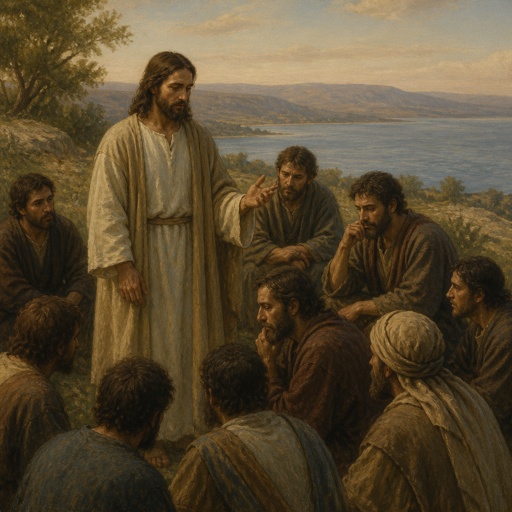
"¶ And while they abode in Galilee, Jesus said unto them, The Son of man shall be betrayed into the hands of men:" - Matthew 17:22

Matthew 17:17-18

Matthew 17:17-18

Matthew 9:21-22

Matthew 9:21-22

Matthew 9:21-22

Matthew 9:21-22

Matthew 9:21-22

Matthew 22:22 - "When they had heard these words, they marvelled, and left him, and went their way."

Matthew 6:22

Matthew 6:22

Matthew 6:22

Matthew 6:17

Matthew 17:20

Matthew 17:20

Matthew 22:38 - "This is the first and great commandment."

Genesis 17-22

Genesis 22-17

Matthew 14:22-33

Matthew 22:37-39

Matthew 22:14 - "For many are called, but few are chosen."

Matthew 19:16-17

Matthew 6:17-18

Matthew 17:14-21

Matthew 3:13-17

Matthew 17:14-15