
Matthew 22:27 (KJV) states, "And last of all the woman died also." This verse is part of a parable told by Jesus to illustrate a point about the resurrection and the eternal nature of the human soul. In order to fully unpack the meaning and commentary of this verse, it is important to examine the larger context of the parable and the themes it presents.
In the preceding verses, Jesus tells a parable about a man who marries a woman and later dies, leaving his wife to marry his brother as was the custom in the culture of that time. This process repeats itself several times with the woman marrying each of the man's seven brothers in turn, and each time the brother dies before they have children. Finally, the woman also dies. The Pharisees, who had been questioning Jesus, were likely using this story to challenge the concept of the resurrection.
The parable is used by Jesus to highlight the misconceptions of the Pharisees regarding the resurrection and the nature of the afterlife. In the Jewish tradition, the belief in the resurrection was a point of debate and contention. Jesus uses this parable to address the Pharisees' limited understanding of the eternal nature of the human soul and to emphasize the spiritual truth of life after death.
The parable, and specifically the verse in question, speaks to the eternal nature of the soul and the reality of life after death. The repetition of the deaths and marriages underscores the impermanence of human life and the transient nature of earthly relationships. The final death of the woman serves as a reminder of the certainty of physical death for all individuals, regardless of their earthly relationships or circumstances.
The broader context of this verse also includes the theme of the Pharisees' attempt to trap Jesus in his words. They were seeking to undermine his teachings by posing questions designed to create controversy or confusion. Jesus' response through the parable challenges their understanding of the resurrection and points to a deeper spiritual truth beyond their limited comprehension.
Symbolically, the repeated deaths and marriages in the parable can be seen as a metaphor for the cycle of life and death that is inevitable for all human beings. The final death of the woman represents the ultimate mortality of the physical body, but the parable also points beyond this reality to the eternal nature of the soul. It serves as a reminder of the spiritual truth that transcends the limitations of earthly existence.
The verse also underscores the sovereignty of God over life and death. The repeated deaths and the final death of the woman highlight the fragility of human life and the reality of mortality. However, this also emphasizes the divine authority of God over the destiny of every individual, as well as the promise of resurrection and eternal life.
In conclusion, Matthew 22:27 (KJV) is a verse within a larger parable that addresses the misconception of the Pharisees regarding the resurrection and the eternal nature of the human soul. The parable and the verse speak to the impermanence of earthly life, the reality of physical death, and the promise of resurrection and eternal life. It also challenges the limited understanding of the Pharisees and emphasizes the deeper spiritual truth that transcends earthly existence. Ultimately, this verse points to the sovereignty of God over life and death, as well as the hope of eternal life through faith in Him.
Get our apps


Artwork for Matthew 22:27

Matthew 22:27 - "And last of all the woman died also."

"And last of all the woman died also." - Matthew 22:27

Matthew 27:22 - "Pilate saith unto them, What shall I do then with Jesus which is called Christ? They all say unto him, Let him be crucified."

Matthew 27:46

Matthew 27:35

Matthew 24:27

Matthew 27:26
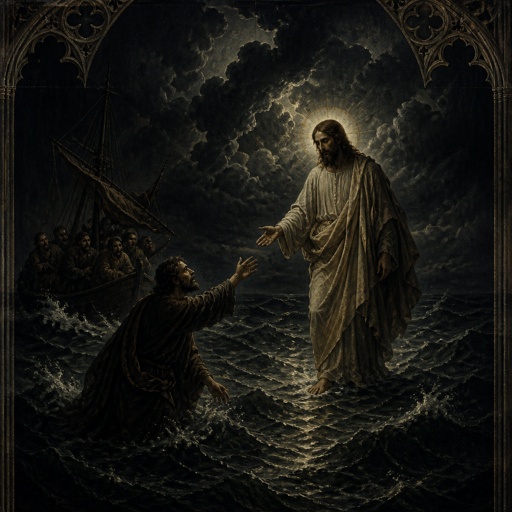
Matthew 14:27
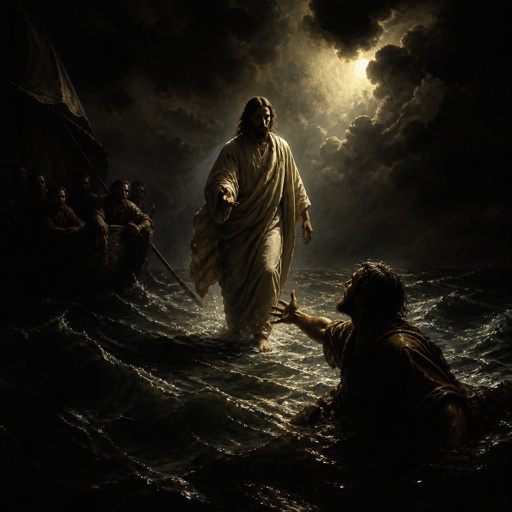
Matthew 14:27
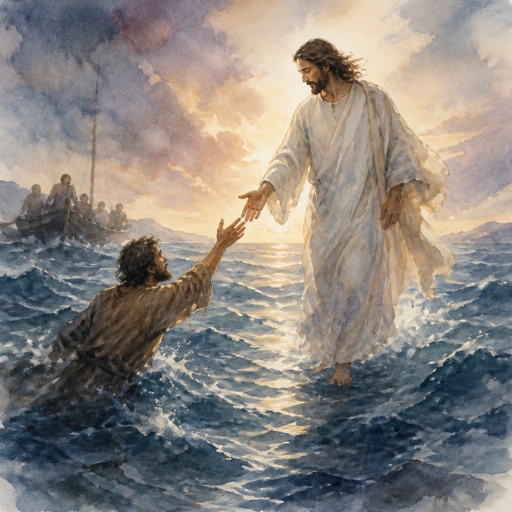
Matthew 14:27

Matthew 27:26

Matthew 27: 38

Matthew 27:27 - "Then the soldiers of the governor took Jesus into the common hall, and gathered unto him the whole band of soldiers."

Matthew 9:21-22

Matthew 7:24-27

Matthew 9:21-22

Matthew 9:21-22

Matthew 9:21-22

Matthew 9:21-22
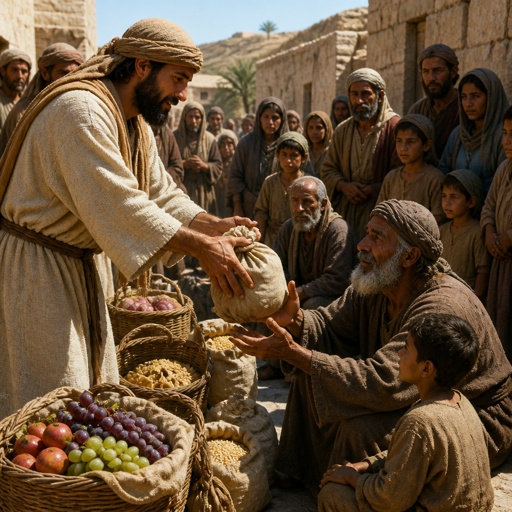
Deut 14:22-27

Matthew 27:36 - "And sitting down they watched him there;"

Matthew 27:16 - "And they had then a notable prisoner, called Barabbas."

Matthew 22:22 - "When they had heard these words, they marvelled, and left him, and went their way."

Matthew 6:22

Matthew 6:22

Matthew 27:39 - "¶ And they that passed by reviled him, wagging their heads,"

Matthew 27:18 - "For he knew that for envy they had delivered him."

Matthew 6:22

Matthew 27:28 - "And they stripped him, and put on him a scarlet robe."

Matthew 27:8 - "Wherefore that field was called, The field of blood, unto this day."