What does Matthew 22:28 mean?
“Therefore in the resurrection whose wife shall she be of the seven? for they all had her.” — Matthew 22:28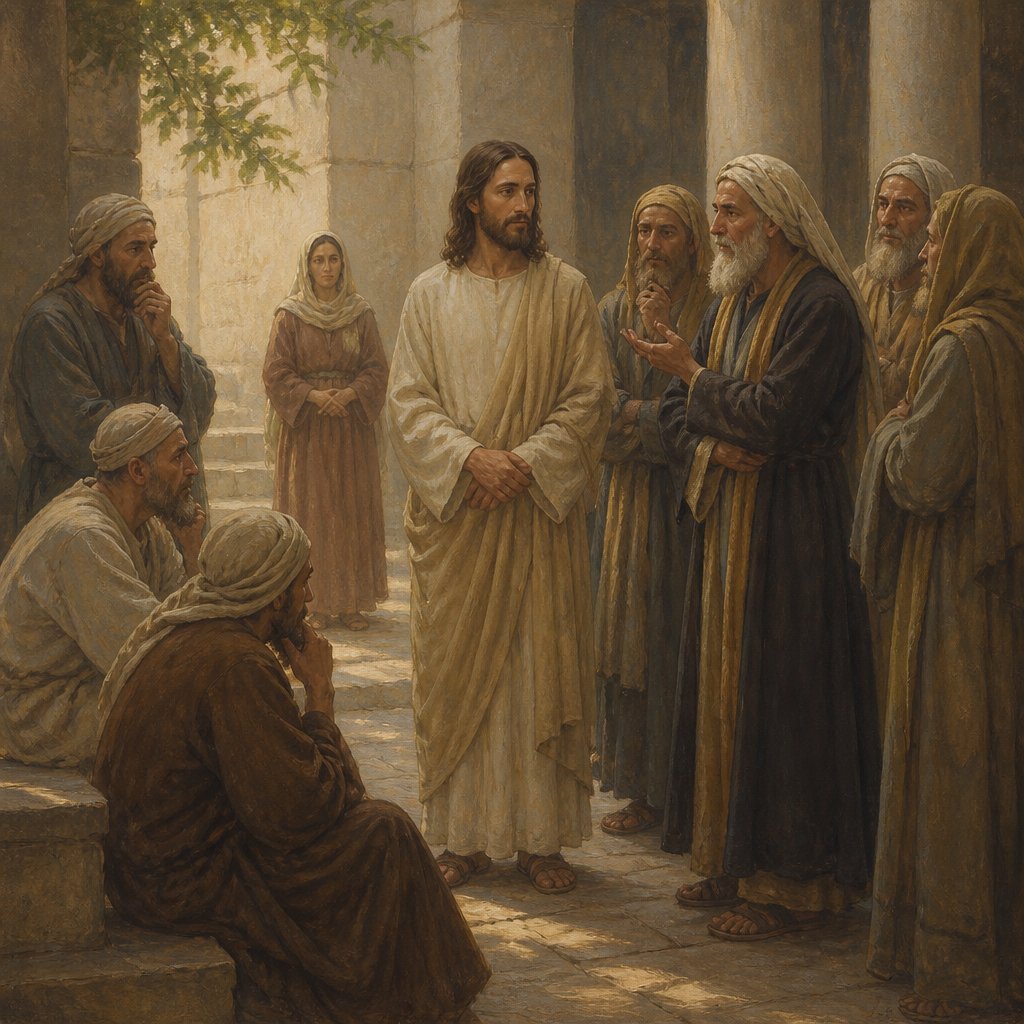
Matthew 22:28 (KJV) reads, "Therefore in the resurrection whose wife shall she be of the seven? for they all had her."
This verse comes from a passage in the book of Matthew in which the Pharisees and Sadducees, two factions of religious leaders, attempt to test Jesus by asking him about the resurrection. In this particular section, the Sadducees posed a hypothetical question about marriage and the afterlife, in an attempt to discredit the concept of resurrection.
To fully understand the significance of this verse, it is important to examine not only the immediate context in which it appears but also the broader themes of marriage, resurrection, and the teachings of Jesus in the Bible.
The verse is part of a larger conversation between Jesus and the Sadducees, who did not believe in the resurrection of the dead. They presented a scenario where a woman had been married to seven different brothers, each of whom had died. In their question, the Sadducees asked whose wife the woman would be in the afterlife, assuming that the concept of resurrection would lead to confusion and conflict.
In response, Jesus challenged their understanding of the afterlife and marriage. He affirmed the reality of the resurrection, explaining that in the afterlife, people will not marry or be given in marriage, but will be like the angels in heaven (Matthew 22:30). He also pointed out that the Sadducees' question was based on a limited understanding of the power of God, who is not a God of the dead, but of the living (Matthew 22:32).
This passage highlights several key themes found throughout the Bible, including the sanctity of marriage, the reality of the resurrection, and the power of God. By addressing the question posed by the Sadducees, Jesus provides important insights into the nature of the afterlife and the transformative power of resurrection.
One of the primary themes of this verse is the concept of resurrection. In the Christian faith, the belief in the resurrection of the dead is central to the hope of eternal life. Jesus' response to the Sadducees affirms the reality of the resurrection and the promise of life after death. This theme of resurrection is a common thread throughout the Bible, culminating in the resurrection of Jesus Christ, which is the cornerstone of the Christian faith.
Additionally, the verse addresses the sanctity of marriage. Jesus' assertion that there will be no marriage in the afterlife highlights the eternal nature of the relationship between individuals and God. This understanding of marriage as a temporary institution points to a deeper spiritual reality, where believers are ultimately united with God in a way that transcends earthly relationships.
Finally, the verse speaks to the power and sovereignty of God. Jesus' response to the Sadducees emphasizes the unlimited power of God to overcome human limitations and to bring about the fulfillment of his purposes. This challenges the narrow perspectives of the Sadducees and reinforces the foundational truth that God is the author of life and the one who holds ultimate authority over all things.
Symbolically, this verse represents a shift in thinking from a worldly perspective to a spiritual perspective. The Sadducees were focused on the temporal and material aspects of life, assuming that earthly relationships would carry over into the afterlife. Jesus, however, redirects their attention to the eternal and spiritual realm, emphasizing the transformation that occurs in resurrection and the ultimate fulfillment of God's purposes.
In summary, Matthew 22:28 in the KJV provides valuable insights into the nature of the afterlife, the sanctity of marriage, and the power of God. It serves as a reminder of the hope found in the resurrection and the eternal significance of our relationship with God. Ultimately, this verse challenges us to look beyond the limitations of the earthly realm and to embrace the transformative power of resurrection and the eternal promises of God.
Get our apps


Artwork for Matthew 22:28

Matthew 22:28 - "Therefore in the resurrection whose wife shall she be of the seven? for they all had her."
"Therefore in the resurrection whose wife shall she be of the seven? for they all had her." - Matthew 22:28

matthew 28:19

matthew 28:19

MATTHEW 28: 23

Matthew 23:28

matthew 8:28

Matthew 28:11

Matthew 23:28

Exodus 22:28

Exodus 22:28

Exodus 22:28

Exodus 22:28

Exodus 22:28

Exodus 22:28

Genesis 28-22

Exodus 22:28

Exodus 22:28

Exodus 22:28

Exodus 22:28

Exodus 22:28

Exodus 22:28

Exodus 22:28

Exodus 22:28
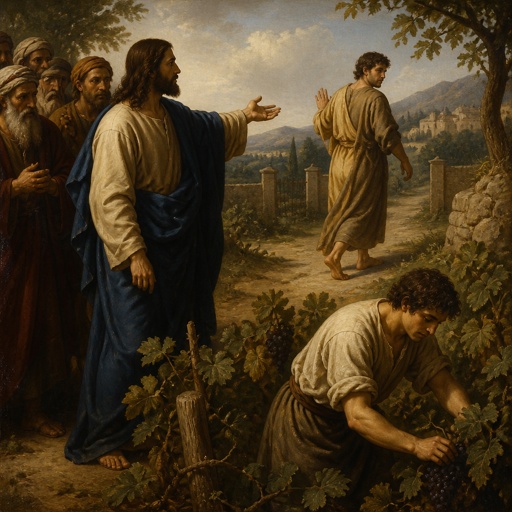
Matthew 21:28-32

Matthew 28:19-20

Matthew 28:19-20

Matthew 28: 19-20

Matthew 28:19-20

Matthew 9:21-22