What does Matthew 22:6 mean?
“And the remnant took his servants, and entreated them spitefully, and slew them.” — Matthew 22:6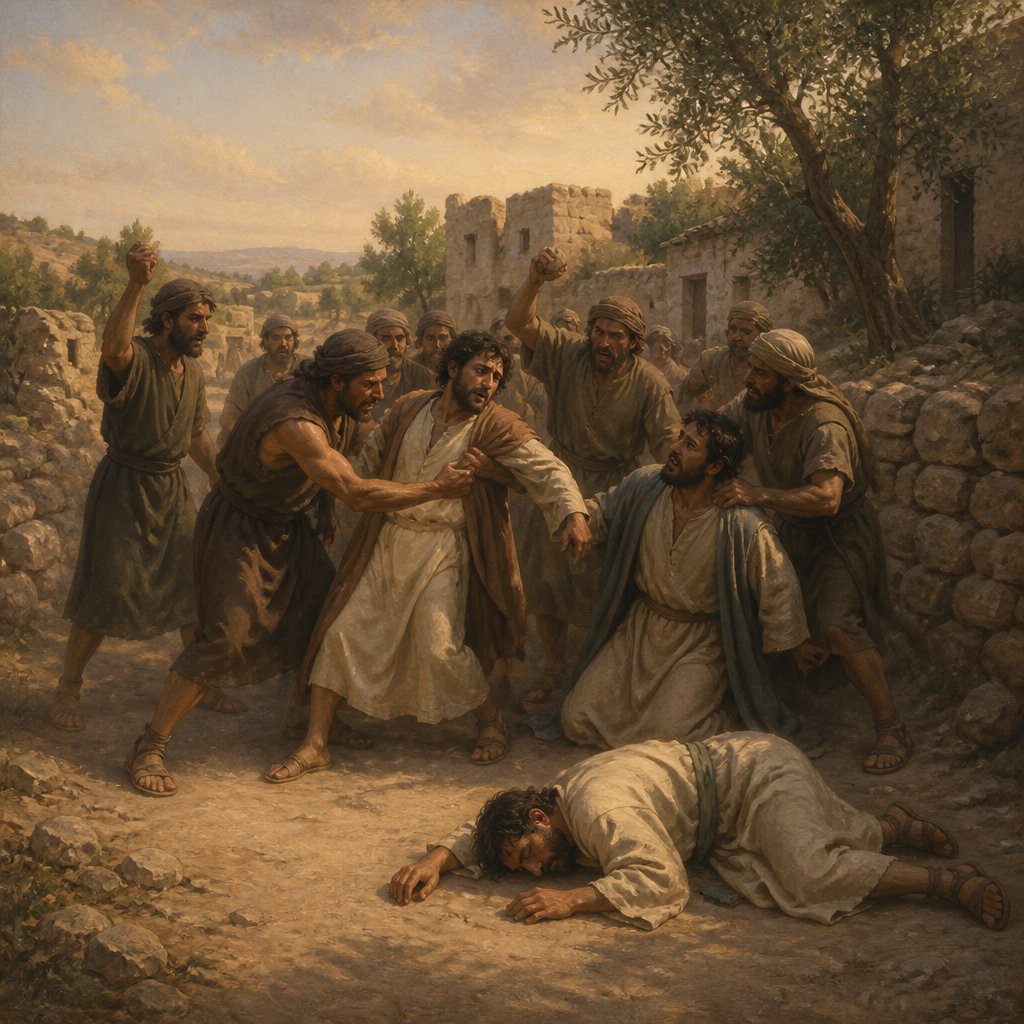
The verse Matthew 22:6 from the King James Version of the Bible states, "And the remnant took his servants, and entreated them spitefully, and slew them." This verse is part of a parable told by Jesus, known as the Parable of the Wedding Feast. In this parable, a king prepares a wedding feast for his son and invites many guests. However, the guests refuse to come, so the king sends his servants to invite others to the feast. When some of the guests mistreat and kill the servants, the king becomes enraged and seeks revenge.
This parable is rich in symbolic and thematic meaning and offers insight into the nature of God's relationship with humanity. Firstly, the parable symbolizes God's invitation to all people to partake in the kingdom of heaven. In the parable, the king represents God, and the wedding feast represents the Kingdom of Heaven. The guests who refuse the king's invitation represent the people who reject God's offer of salvation and choose to live their lives apart from Him. This rejection deeply grieves God, as seen in the parable when the king responds to the guests' refusal with anger and judgment.
The mistreatment and killing of the king's servants represent the persecution that God's messengers and prophets faced throughout history. The rejection and persecution of God's messengers symbolize humanity's rejection of God's word and His messengers throughout history. This rejection is a recurring theme in the Bible, as many of the prophets and messengers of God faced hostility and violence from those to whom they were sent to deliver God's message.
The parable also portrays the concept of divine judgment and the consequences of rejecting God's offer of salvation. The king's response to the mistreatment of his servants demonstrates God's justice and the reality of divine judgment for those who reject Him. The guests who mistreated and killed the servants faced severe consequences for their actions, a sobering reminder of the consequences of rejecting God's offer of salvation.
Another significant theme in this parable is the concept of the remnant. The remnant in this verse refers to those who survive or remain faithful to God despite facing adversity. In the context of the parable, the remnant represents those who remain faithful to God despite the rejection and mistreatment of His messengers. Throughout the Bible, the concept of the remnant is often associated with a faithful and obedient minority who are preserved by God in the midst of judgment.
Overall, the Parable of the Wedding Feast and the verse Matthew 22:6 offer profound insights into the nature of God's invitation to His kingdom, the rejection and mistreatment of His messengers, divine judgment, and the faithfulness of the remnant. The parable serves as a powerful reminder of the importance of responding to God's invitation with humility and obedience, as well as the sobering reality of divine judgment for those who reject Him.
In conclusion, the Parable of the Wedding Feast and Matthew 22:6 from the King James Version of the Bible convey profound themes and symbolism that offer valuable insights into the nature of God's relationship with humanity. From the invitation to the wedding feast to the mistreatment of the king's servants and the concept of the remnant, this parable carries rich symbolic and thematic meaning that continues to resonate with readers today. It serves as a timeless reminder of the importance of responding to God's invitation with humility and obedience, as well as the reality of divine judgment for those who reject Him.
Get our apps


Artwork for Matthew 22:6

Matthew 22:6 - "And the remnant took his servants, and entreated them spitefully, and slew them."

"And the remnant took his servants, and entreated them spitefully, and slew them." - Matthew 22:6

Matthew 6:22

Matthew 6:22

Matthew 6:22

Matthew 6:22 - "The light of the body is the eye: if therefore thine eye be single, thy whole body shall be full of light."

When the eyes breathe life into the lifeless, the whole body is full of light. Matthew 6:22-23

When the eyes breathe life into the lifeless, the whole body is full of light. Matthew 6:22-23

When the eyes breathe life into the lifeless, the whole body is full of light. Matthew 6:22-23

When the eyes breathe life into the lifeless, the whole body is full of light. Matthew 6:22-23

Matthew 6:6

Matthew 9:21-22

Matthew 9:21-22

Matthew 9:21-22

Matthew 9:21-22

Matthew 9:21-22

Matthew 22:22 - "When they had heard these words, they marvelled, and left him, and went their way."

"The light of the body is the eye: if therefore thine eye be single, thy whole body shall be full of light." - Matthew 6:22

Matthew 22:38 - "This is the first and great commandment."

Matthew 14:22-33

Matthew 22:37-39

Matthew 22:14 - "For many are called, but few are chosen."

Matthew 6:23

Matthew 22:36 - "Master, which is the great commandment in the law?"

Matthew 22:27 - "And last of all the woman died also."

Matthew 22:26 - "Likewise the second also, and the third, unto the seventh."

Matthew 22:40 - "On these two commandments hang all the law and the prophets."

Matthew 4:22 - "And they immediately left the ship and their father, and followed him."

Matthew 18:6

Matthew 22:33 - "And when the multitude heard this, they were astonished at his doctrine."