What does Matthew 22:7 mean?
"But when the king heard thereof, he was wroth: and he sent forth his armies, and destroyed those murderers, and burned up their city." - Matthew 22:7
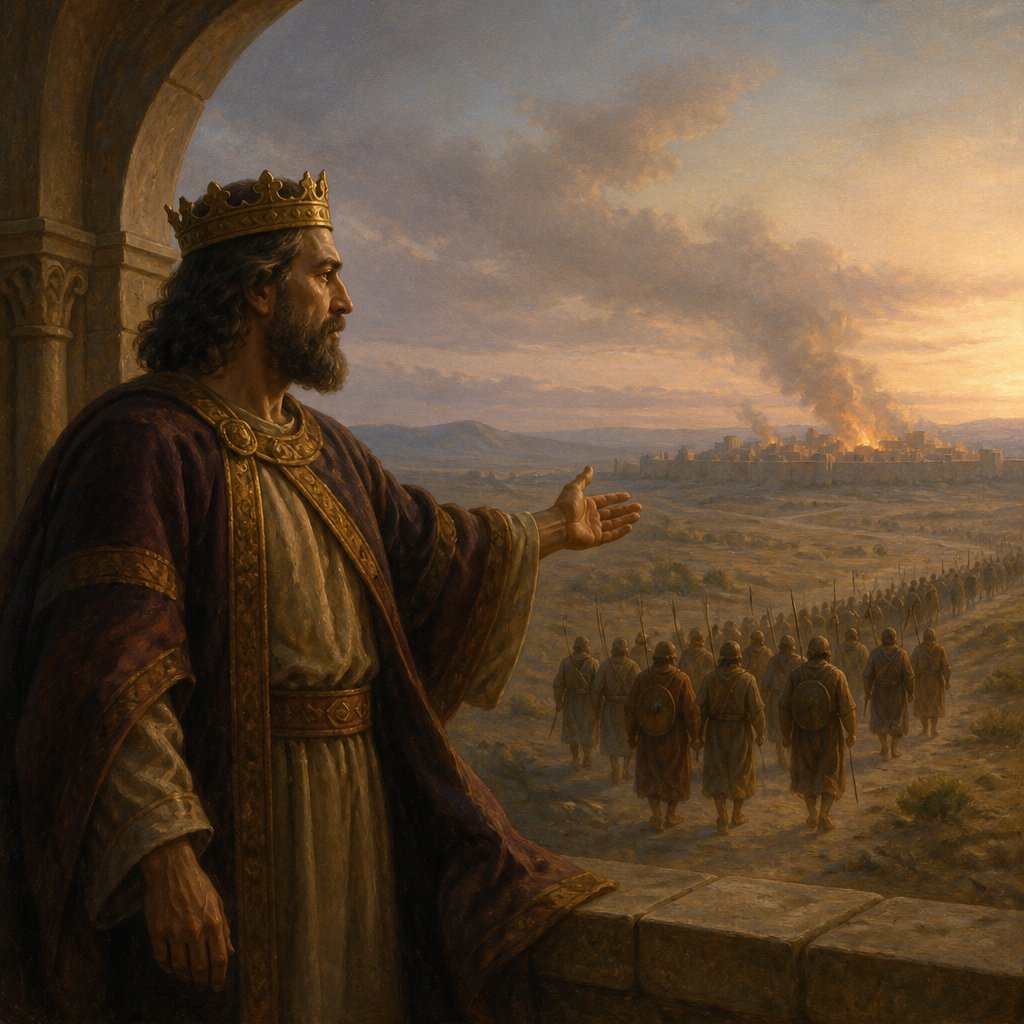
The Bible verse Matthew 22:7 from the King James Version (KJV) states, "But when the king heard thereof, he was wroth: and he sent forth his armies, and destroyed those murderers, and burned up their city." This verse is part of a parable that Jesus told to illustrate the kingdom of heaven. The parable in which this verse is found is known as the Parable of the Wedding Feast.
The context of this verse is important for understanding its meaning. In the preceding verses, Jesus tells a parable about a king who prepares a wedding feast for his son. The king sends out his servants to invite guests to the wedding, but they refuse to come. Some are too busy with their own affairs, while others mistreat and even kill the king's servants. In response to this rejection and violence, the king becomes angry and sends his armies to destroy those who rejected his invitation and mistreated his servants.
The themes present in this verse include the concept of judgment, accountability, and the consequences of rejecting God's invitation to enter the kingdom of heaven. The king in the parable represents God, and the wedding feast symbolizes the kingdom of heaven. The rejection of the king's invitation by the guests reflects the rejection of God's offer of salvation and fellowship with Him. The king's response to this rejection demonstrates the reality of judgment and the consequences of refusing to accept God's grace and mercy.
The verse carries a message of warning about the seriousness of rejecting God's offer of salvation. The destruction of the murderers and their city illustrates the severity of the judgment that awaits those who reject God's invitation and mistreat His messengers. It serves as a reminder of the importance of accepting God's offer of forgiveness and reconciliation through Jesus Christ.
The symbolism in this verse is powerful and rich in meaning. The king's anger and the destruction of the city represent God's righteous judgment against sin and rebellion. The wedding feast symbolizes the joy and abundance of the kingdom of heaven, which is offered to all who accept God's invitation and respond in faith. The refusal of the guests to attend the feast represents the rejection of God's love and grace, while the mistreatment and killing of the king's servants symbolize the persecution and rejection of God's messengers throughout history.
The imagery of the king sending forth his armies to destroy the murderers and burn their city evokes the imagery of divine judgment found throughout the Bible. It serves as a sobering reminder of the reality of God's judgment and the consequences of living in rebellion against Him. This imagery is consistent with other passages in the Bible that speak of God's role as a just and righteous judge who will ultimately hold all people accountable for their actions.
In conclusion, Matthew 22:7 from the King James Version (KJV) presents a powerful and sobering message about the consequences of rejecting God's invitation to enter the kingdom of heaven. It emphasizes the themes of judgment, accountability, and the significance of accepting God's offer of salvation. The symbolism in this verse highlights the seriousness of rejecting God's grace and the reality of divine judgment. It serves as a warning to all who hear it to respond to God's invitation with humility, repentance, and faith.
Have questions about Matthew 22:7?
Dive deeper into this scripture with Bible Chat — an AI-powered tool for exploring God's Word through conversation. Ask questions, get context, and grow in your understanding of the Bible.
Get Our Apps


Matthew 22:7 Artwork

Matthew 22:7 - "But when the king heard thereof, he was wroth: and he sent forth his armies, and destroyed those murderers, and burned up their city." respectful, symbolic bible verse art
"But when the king heard thereof, he was wroth: and he sent forth his armies, and destroyed those murderers, and burned up their city." - Matthew 22:7

Matthew 7:22 - "Many will say to me in that day, Lord, Lord, have we not prophesied in thy name? and in thy name have cast out devils? and in thy name done many wonderful works?"

Matthew 9:21-22

Matthew 9:21-22

Matthew 9:21-22

Matthew 9:21-22

Matthew 9:21-22

Matthew 22:22 - "When they had heard these words, they marvelled, and left him, and went their way."

Matthew 6:22

Matthew 6:22

Matthew 6:22

Matthew 7:7

Matthew 22:38 - "This is the first and great commandment."

Matthew 14:22-33

Matthew 22:37-39

Matthew 22:14 - "For many are called, but few are chosen."

Matthew 22:36 - "Master, which is the great commandment in the law?"

Matthew 22:27 - "And last of all the woman died also."

Matthew 7:13-14

Matthew 7:13-14

Matthew 7:13-14

Matthew 7:13-14

Matthew 7:13-14

Matthew 7:13-14

Matthew 7:13-14

Matthew 22:26 - "Likewise the second also, and the third, unto the seventh."

Matthew 22:40 - "On these two commandments hang all the law and the prophets."

Matthew 7:13-14

Matthew 7:13-14