What does Matthew 23:30 mean?
"And say, If we had been in the days of our fathers, we would not have been partakers with them in the blood of the prophets." - Matthew 23:30
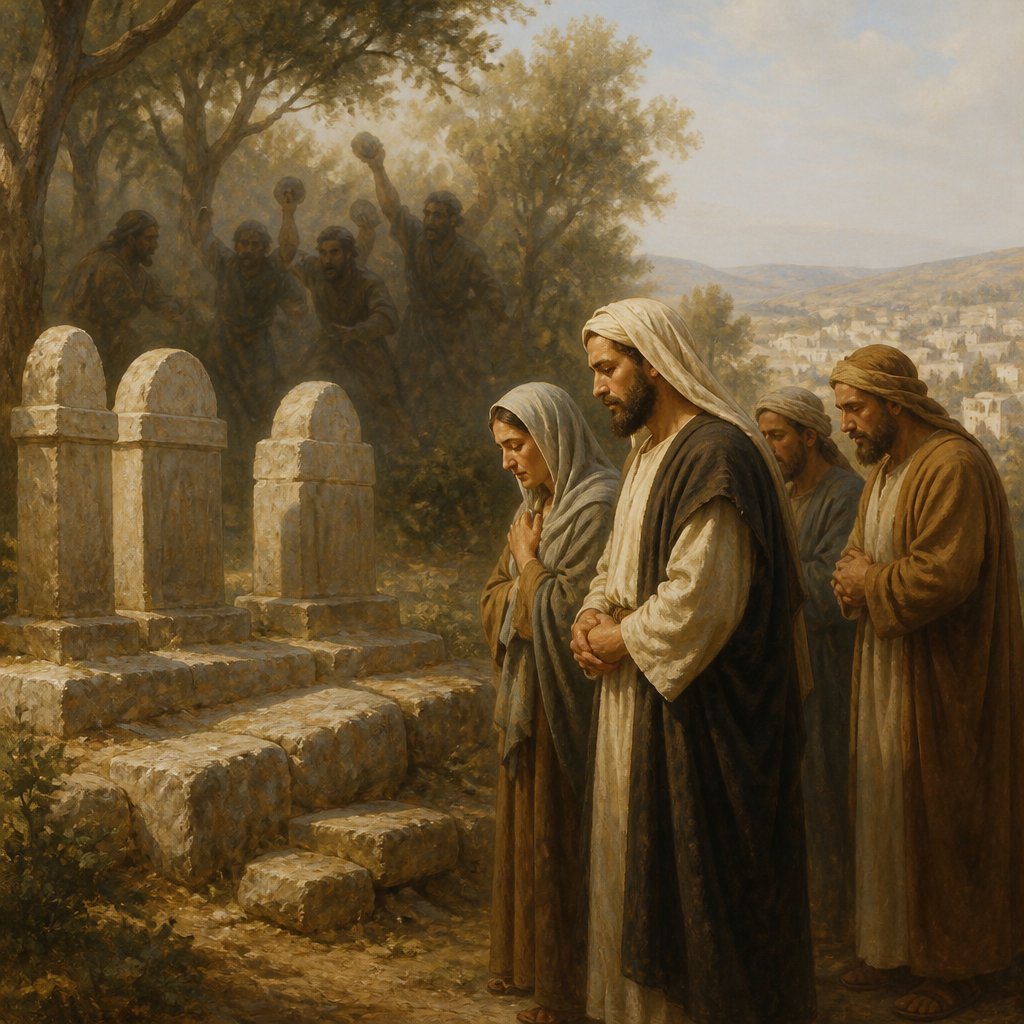
Matthew 23:30 in the King James Version of the Bible states, "And say, If we had been in the days of our fathers, we would not have been partakers with them in the blood of the prophets." This verse is part of a larger passage in which Jesus delivers a scathing rebuke of the religious leaders of his time, the scribes and Pharisees. In this particular verse, Jesus is addressing the hypocrisy of the scribes and Pharisees, accusing them of rejecting the prophets and even being complicit in their persecution and death, despite claiming that they would have acted differently had they lived in the time of the prophets.
The overall theme of the passage in which this verse is found is the contrast between outward piety and inward corruption. Jesus denounces the hypocrisy and wickedness of the scribes and Pharisees, who, despite their outward adherence to religious rituals and rules, are inwardly full of greed, self-indulgence, and hypocrisy. This particular verse serves as an example of the self-righteousness and hypocrisy of the religious leaders, who claim they would have acted differently in the past while failing to recognize their own complicity in the persecution and rejection of the prophets.
The context of this verse is important for understanding its meaning. Jesus is speaking to the crowds and to his disciples about the scribes and Pharisees, admonishing them for their hypocrisy and warning the people not to follow their example. The religious leaders of the time were known for their outward displays of piety and their strict adherence to the law, but Jesus exposes their inward corruption and their failure to truly uphold the heart of God's commandments.
The symbolism in this verse lies in the contrast between the self-righteous claims of the scribes and Pharisees and their actual behavior. The phrase "partakers with them in the blood of the prophets" symbolizes the guilt and complicity of the religious leaders in the persecution and rejection of the prophets throughout Israel's history. By claiming that they would not have participated in the persecution of the prophets, the scribes and Pharisees are symbolically denying their own guilt and failing to recognize their own sinful nature.
In a broader sense, this verse serves as a warning against hypocrisy and self-righteousness. The scribes and Pharisees' failure to recognize their own sinfulness and their attempts to justify their actions serve as a cautionary tale for all believers. It reminds us of the danger of self-righteousness and the importance of humility and self-examination in the Christian walk. It also serves as a reminder of the need for true repentance and a genuine heart transformation, rather than simply outward displays of piety.
In conclusion, Matthew 23:30 in the King James Version of the Bible is a powerful and convicting verse that exposes the hypocrisy and self-righteousness of the religious leaders of Jesus' time. It serves as a warning against hypocrisy and self-righteousness and calls believers to true repentance and humility. The verse's themes of hypocrisy, self-examination, and humility are relevant and challenging for believers today, making it an important and thought-provoking passage in the New Testament.
Have questions about Matthew 23:30?
Dive deeper into this scripture with Bible Chat — an AI-powered tool for exploring God's Word through conversation. Ask questions, get context, and grow in your understanding of the Bible.
Get Our Apps


Matthew 23:30 Artwork
Matthew 23:30 - "And say, If we had been in the days of our fathers, we would not have been partakers with them in the blood of the prophets."
"And say, If we had been in the days of our fathers, we would not have been partakers with them in the blood of the prophets." - Matthew 23:30

Numbers 23:30

Matthew 6:30

Matthew 5:30

Matthew 5:30

Daniel 2:30-23

Matthew 24:30-31

Matthew 24:30-31

Matthew 24:30-31

Matthew 24:30-31

Matthew 24:30-31

Matthew 24:30-31

Matthew 24:30-31

Matthew 6:23

Matthew 24:30-31

Matthew 24:30-31

Matthew 24:30-31

2 Samuel 23:30 - "Benaiah the Pirathonite, Hiddai of the brooks of Gaash,"

Matthew 11:30 - "For my yoke is easy, and my burden is light."

Matthew 10:30 - "But the very hairs of your head are all numbered."

Matthew 25:23

Matthew 2:23

Matthew 15:23

Matthew 2:23

Matthew 23:12

Matthew 23:12

Proverbs 23:30 - "They that tarry long at the wine; they that go to seek mixed wine."

Matthew 19:30 - "But many that are first shall be last; and the last shall be first."

Matthew 23:28