What does Matthew 24:37 mean?
“But as the days of Noe were, so shall also the coming of the Son of man be.” — Matthew 24:37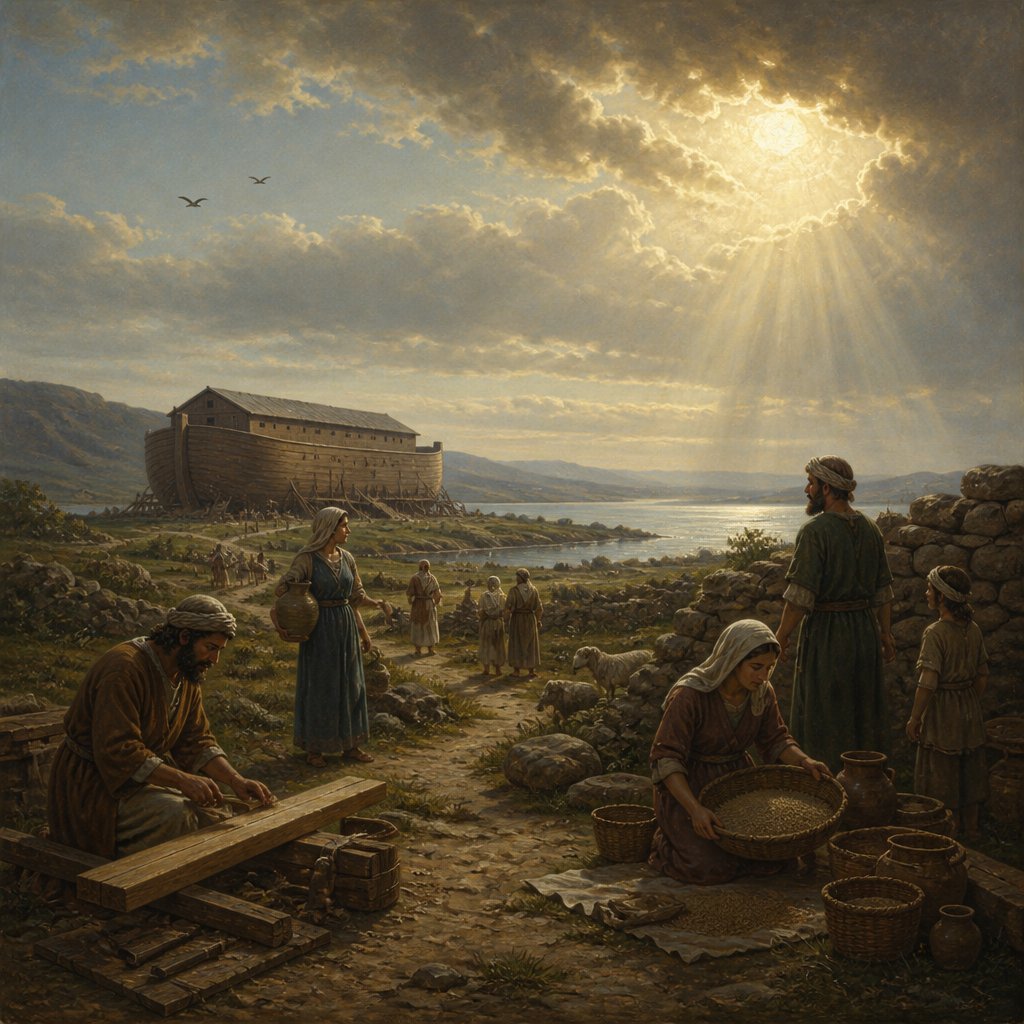
Matthew 24:37 from the King James Version reads, "But as the days of Noah were, so shall also the coming of the Son of man be." This verse is part of a larger passage in which Jesus is speaking to his disciples about the signs of the end times and his second coming. In this verse, Jesus draws a parallel between the days of Noah and the time of his return.
The story of Noah is found in the book of Genesis, chapters 6-9. In these chapters, God sees that the earth is corrupt and filled with violence, so he decides to send a great flood to destroy all living things. However, he finds favor with Noah and instructs him to build an ark to save himself, his family, and two of every kind of animal. It then rained for 40 days and 40 nights before the waters receded, and Noah and his family were able to repopulate the earth.
The days of Noah were marked by widespread wickedness and ungodliness. The people of Noah's time lived in utter disregard for God's ways and his commandments. They were morally corrupt and filled with violence. In Genesis 6:5, it says, "And God saw that the wickedness of man was great in the earth, and that every imagination of the thoughts of his heart was only evil continually." This extreme moral decay and rebellion against God ultimately led to his judgment in the form of the flood.
When Jesus refers to the days of Noah in Matthew 24:37, he is making a comparison to the state of the world before the flood and the state of the world before his return. He is warning his disciples (and by extension, all believers) that the end times will be characterized by widespread ungodliness, moral decay, and indifference to God's ways. The parallel draws attention to the sinful nature of humanity and the impending judgment of God.
The coming of the Son of Man refers to Jesus' return to earth in power and glory to establish his kingdom and to judge the living and the dead. This event will mark the end of the present age and the beginning of the eternal state. In Matthew 24:27, Jesus describes his second coming as being as visible and unmistakable as the lightning that flashes across the sky. Therefore, his return will be impossible to miss and will happen suddenly, just as the flood came in the days of Noah without warning.
In this passage, Jesus is urging his followers to be alert and be prepared for his return. He emphasizes the importance of faithfulness and readiness in light of the coming judgment. Just as Noah was faithful and found favor in God's sight, so too should his followers maintain their faith and obedience.
The relevance of this verse extends beyond the disciples to all believers throughout history. It serves as a reminder that the state of the world is not a surprise to God, and that just as he judged the world in Noah's time, he will also judge the world at the end of the age. Therefore, believers are called to remain faithful, diligent, and obedient as they await the return of Christ.
In conclusion, Matthew 24:37 draws a parallel between the days of Noah and the time of Jesus' return. It serves as a warning and a reminder to believers to remain faithful and prepared for the end times. The verse highlights the sinful nature of humanity and the impending judgment of God, emphasizing the importance of faithfulness and readiness. As believers await the return of Christ, they are called to live in obedience and expectant hope.
Get our apps


Artwork for Matthew 24:37

Matthew 24:37 - "But as the days of Noe were, so shall also the coming of the Son of man be."
"But as the days of Noe were, so shall also the coming of the Son of man be." - Matthew 24:37

Genesis 24-37

Matthew 12:36-37

matthew 12:36-37

Matthew 9:37-38

Matthew 22:37-39

Matthew 12:36-37

Luke 24:37 - "But they were terrified and affrighted, and supposed that they had seen a spirit."

Genesis 37:24 - "And they took him, and cast him into a pit: and the pit was empty, there was no water in it."

Exodus 37:24 - "Of a talent of pure gold made he it, and all the vessels thereof."

Matthew 24:35

Matthew 24:35

Matthew 24:35

Matthew 24:35

Matthew 24:35

Matthew 24:35

Matthew 24:35

Matthew 24:35

Matthew 24:35

Matthew 24:35

Job 37:24 - "Men do therefore fear him: he respecteth not any that are wise of heart."

Matthew 9:37 - "Then saith he unto his disciples, The harvest truly is plenteous, but the labourers are few;"

Matthew 12:37 - "For by thy words thou shalt be justified, and by thy words thou shalt be condemned."
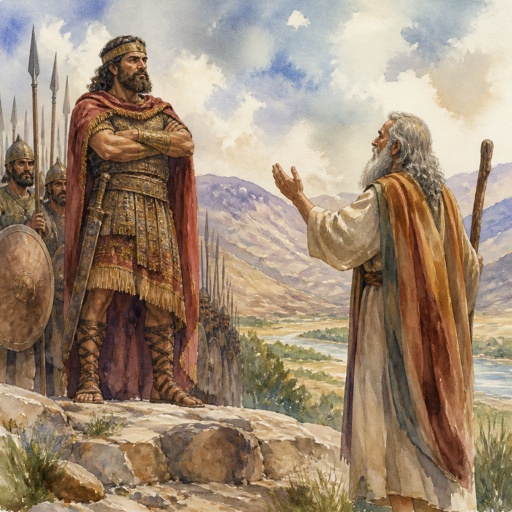
Sihon king of heshbon and Moses in Deuteronomy 2:24-37

Matthew 13:37 - "He answered and said unto them, He that soweth the good seed is the Son of man;"

Matthew 26:37 - "And he took with him Peter and the two sons of Zebedee, and began to be sorrowful and very heavy."

Matthew 27:37 - "And set up over his head his accusation written, THIS IS JESUS THE KING OF THE JEWS."

Matthew 24:15

Matthew 24:27