What does Matthew 25:13 mean?
“Watch therefore, for ye know neither the day nor the hour wherein the Son of man cometh.” — Matthew 25:13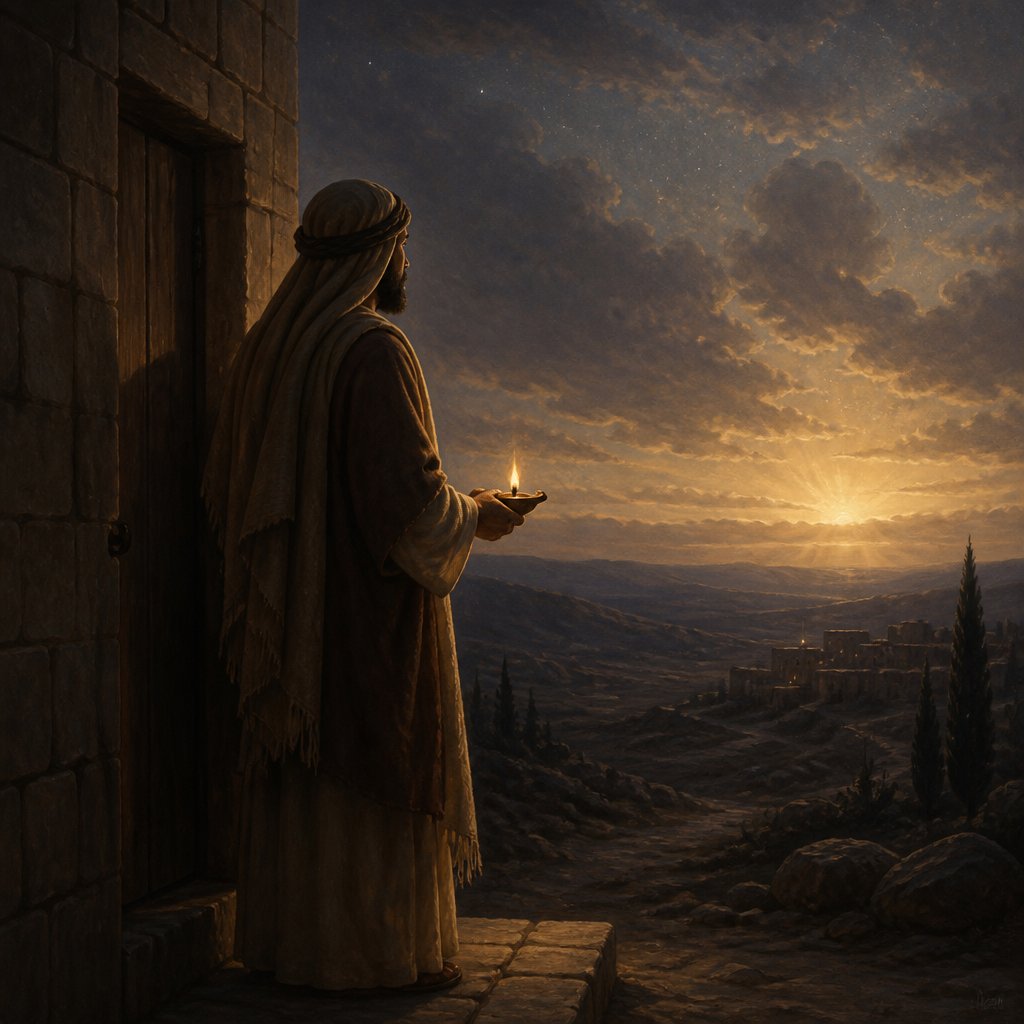
“Watch therefore, for ye know neither the day nor the hour wherein the Son of man cometh.” - Matthew 25:13 (KJV)
The verse quoted above is from the New Testament, specifically from the Gospel of Matthew. This verse is part of a larger passage known as the Parable of the Ten Virgins. This parable is one of several that Jesus tells in Matthew’s Gospel to illustrate what the kingdom of heaven is like and how to prepare for it.
In the Parable of the Ten Virgins, Jesus compares the kingdom of heaven to ten virgins who took their lamps and went out to meet the bridegroom. Five of them were wise and took oil with their lamps, while the other five were foolish and did not take oil. As the bridegroom was delayed, all the virgins fell asleep. At midnight, a cry went out that the bridegroom was coming, and all the virgins woke up and trimmed their lamps. The wise virgins had enough oil to keep their lamps burning, while the foolish ones ran out of oil and had to go and buy more. By the time they returned, the bridegroom had arrived, and the door was shut. The parable concludes with the moral of the story: “Watch therefore, for ye know neither the day nor the hour wherein the Son of man cometh.” (Matthew 25:13, KJV)
The context of this verse is essential to understanding its meaning. The prudent and foolish virgins represent those who are waiting for the coming of Christ—some who are prepared and watchful, while others are negligent and unprepared. The bridegroom represents Jesus Christ, and his return is symbolic of the second coming. The emphasis is on the need for constant readiness and vigilance, as no one knows the exact time when Jesus will return.
The theme of preparedness and vigilance is a prevalent one throughout the New Testament, especially in the teachings of Jesus. This theme emphasizes the importance of being spiritually prepared at all times, as the return of Christ will be sudden and unexpected. The parable serves as a warning to believers to be watchful, alert, and prepared for the future return of Christ in judgment.
The symbolism in this verse is significant as well. The oil in the lamps is often interpreted as a symbol of the Holy Spirit and the readiness of believers to receive Christ. The wise virgins who had enough oil represent those who are spiritually prepared, while the foolish virgins who ran out of oil represent those who are unprepared and lacking in spiritual readiness. The closing admonition to “watch” reinforces the message of being vigilant and attentive to the signs of Christ’s coming and not being caught unprepared.
In sum, Matthew 25:13 conveys a powerful exhortation to believers to be spiritually prepared and vigilant at all times. The uncertainty of when Christ will return serves as a compelling reason for believers to live in a state of constant readiness, ensuring that they are spiritually equipped for his coming. This verse continues to be a source of encouragement and challenge for Christians as they strive to live faithfully and watchfully in anticipation of Christ’s return.
Get our apps


Artwork for Matthew 25:13

Matthew 25:13 - "Watch therefore, for ye know neither the day nor the hour wherein the Son of man cometh."
"Watch therefore, for ye know neither the day nor the hour wherein the Son of man cometh." - Matthew 25:13

Matthew 25:11-13

Matthew 13:25 - "But while men slept, his enemy came and sowed tares among the wheat, and went his way."

Matthew 25:25

Matthew 25: 14-25
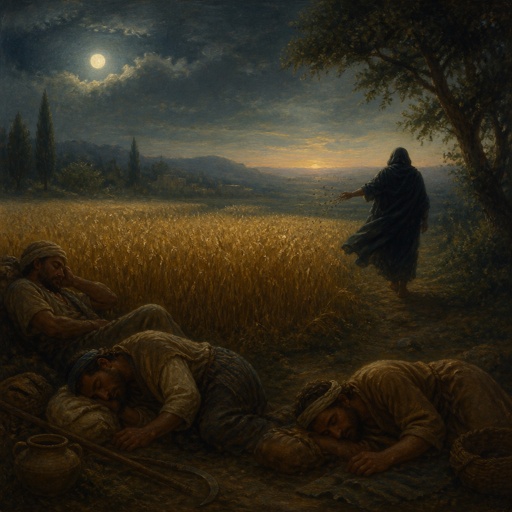
"But while men slept, his enemy came and sowed tares among the wheat, and went his way." - Matthew 13:25

Matthew 26:25

Matthew 16:25

Matthew 25:21

Matthew 25:23

matthew 25:31

Matthew 25:21

Matthew 25:23

Matthew 21:25

Matthew 25:25 - "And I was afraid, and went and hid thy talent in the earth: lo, there thou hast that is thine."

Matthew 6:25 – 34

Matthew 13

Matthew 25:4 - "But the wise took oil in their vessels with their lamps."

Matthew 8:13

Matthew 8:13

Matthew 8:13

Matthew 13

Genesis 25-13

Matthew 25:5 - "While the bridegroom tarried, they all slumbered and slept."

Matthew 24:25 - "Behold, I have told you before."

Matthew 25:7 - "Then all those virgins arose, and trimmed their lamps."

Matthew 7:13-14

Matthew 7:13-14

Matthew 7:13-14