What does Matthew 25:26 mean?
“His lord answered and said unto him, Thou wicked and slothful servant, thou knewest that I reap where I sowed not, and gather where I have not strawed:” — Matthew 25:26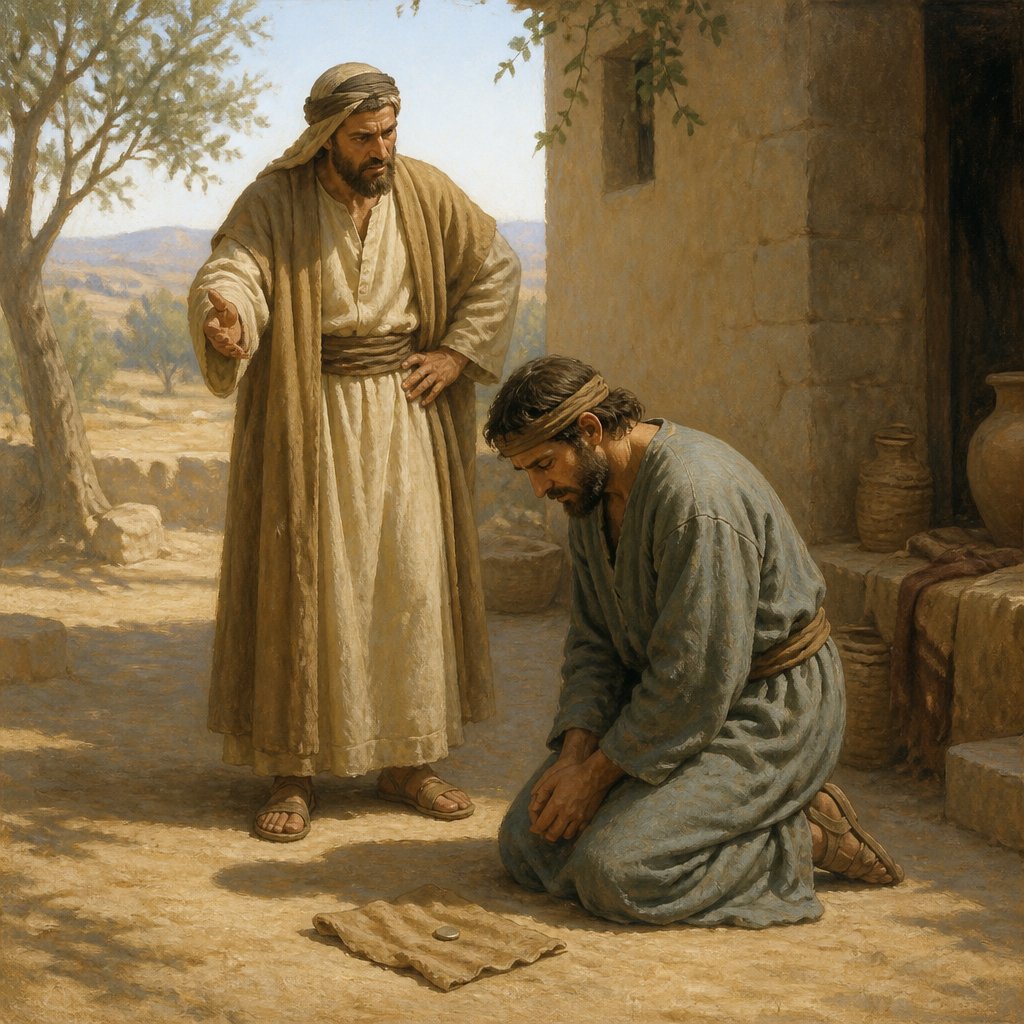
The Bible verse Matthew 25:26 in the King James Version (KJV) states, "His lord answered and said unto him, Thou wicked and slothful servant, thou knewest that I reap where I sowed not, and gather where I have not strawed." This verse is part of a parable that Jesus tells his disciples in the New Testament book of Matthew. In this parable, known as the Parable of the Talents, Jesus teaches about the responsibility that his followers have to use their God-given gifts and talents wisely.
In the Parable of the Talents, a wealthy man entrusts his servants with different amounts of money, or "talents," before going on a journey. To one servant, he gives five talents, to another he gives two, and to another he gives one, each according to their abilities. The first two servants invest and double the money they were given, while the third servant buries his talent in the ground, fearing the displeasure of his master. When the master returns, he praises the first two servants for their faithfulness and wise stewardship, but condemns the third servant for his fear and lack of initiative.
In the context of Matthew 25:26, the verse is part of the master's response to the third servant's explanation for burying his talent. The master calls the servant "wicked and slothful," indicating his disapproval and disappointment with the servant's actions. The master also highlights the servant's knowledge of his expectations, but failure to act in accordance with them. The master emphasizes that he expected the servant to make good use of the talent, rather than hiding it away.
This parable and verse convey several important themes and lessons for Christians. One prominent theme is stewardship, which refers to the responsible management of resources and abilities that have been entrusted to us by God. In the parable, the talents represent the various gifts and abilities that God has given to each person. The parable teaches that believers are accountable for the way they use these gifts and talents, and they are expected to invest them for the benefit of God's kingdom and the well-being of others.
Another key theme is faithfulness and diligence in serving God. The first two servants in the parable are commended for their faithful stewardship and diligence in using their talents to produce a return. On the other hand, the third servant is condemned for his lack of initiative, fear, and failure to utilize his talent effectively. This theme underscores the importance of proactive and faithful service in fulfilling God's purposes.
The verse also highlights the concept of expecting accountability for one's actions. The master's response to the third servant's inaction illustrates the principle that God expects believers to give an account of how they have used the resources and opportunities he has given them. The verse serves as a reminder that God will judge and hold people accountable for their stewardship and use of their talents.
The symbolism in Matthew 25:26 lies in the talents themselves and the master's response. The talents can be seen as symbolic of the gifts, abilities, resources, and opportunities that God bestows upon individuals. The master's response to the third servant symbolizes God's displeasure with unfaithfulness and lack of initiative in using these gifts.
In conclusion, Matthew 25:26 in the King James Version presents a powerful message about stewardship, faithfulness, diligence, and accountability in the Christian life. It reminds believers of their responsibility to use their God-given gifts and talents wisely and actively serve God's purposes. The verse serves as a call to action for Christians to be faithful and proactive in using their talents for the glory of God and the benefit of others.
Get our apps


Artwork for Matthew 25:26

Matthew 25:26 - "His lord answered and said unto him, Thou wicked and slothful servant, thou knewest that I reap where I sowed not, and gather where I have not strawed:"

Matthew 25:26-30 - "His master replied, 'You wicked, lazy servant! So you knew that I harvest where I have not sown and gather where I have not scattered seed? Well then, you should have put my money on deposit with the bankers, so that when I returned I would have received it back with interest. 'So take the bag of gold from him and give it to the one who has ten bags. For whoever has will be given more, and they will have an abundance. Whoever does not have, even what they have will be taken from them. And throw that worthless servant outside, into the darkness, where there will be weeping and gnashing of teeth.'"
"His lord answered and said unto him, Thou wicked and slothful servant, thou knewest that I reap where I sowed not, and gather where I have not strawed:" - Matthew 25:26
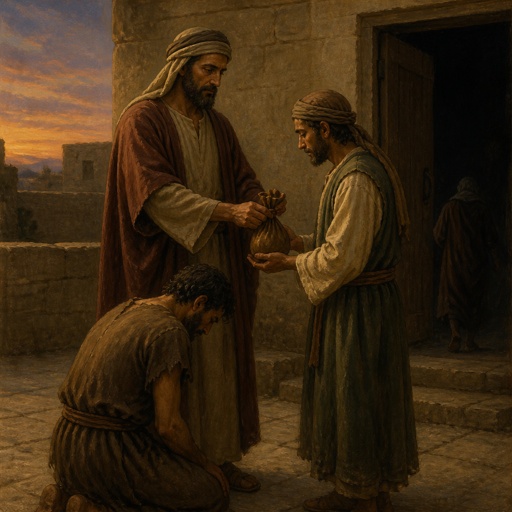
"His master replied, 'You wicked, lazy servant! So you knew that I harvest where I have not sown and gather where I have not scattered seed? Well then, you should have put my money on deposit with the bankers, so that when I returned I would have received it back with interest. 'So take the bag of gold from him and give it to the one who has ten bags. For whoever has will be given more, and they will have an abundance. Whoever does not have, even what they have will be taken from them. And throw that worthless servant outside, into the darkness, where there will be weeping and gnashing of teeth.'" - Matthew 25:26-30

Matthew 26:25

Matthew 26:25 - "Then Judas, which betrayed him, answered and said, Master, is it I? He said unto him, Thou hast said."

Matthew 25:25

Matthew 25: 14-25

Genesis 26:25

Genesis 25-26

"Then Judas, which betrayed him, answered and said, Master, is it I? He said unto him, Thou hast said." - Matthew 26:25

Matthew 26:15

Matthew 19:26

Matthew 26:15

Matthew 27:26

Luke 12:25-26

Luke 12:25-26

Luke 12:25-26

Psalm 73:25-26

Luke 12:25-26

Matthew 16:25

Matthew 25:21

Matthew 25:23

matthew 25:31

Matthew 25:21

Psalm 73:25-26
Luke 12:25-26

Luke 12:25-26

Luke 12:25-26

Matthew 27:26