What does Matthew 25:43 mean?
“I was a stranger, and ye took me not in: naked, and ye clothed me not: sick, and in prison, and ye visited me not.” — Matthew 25:43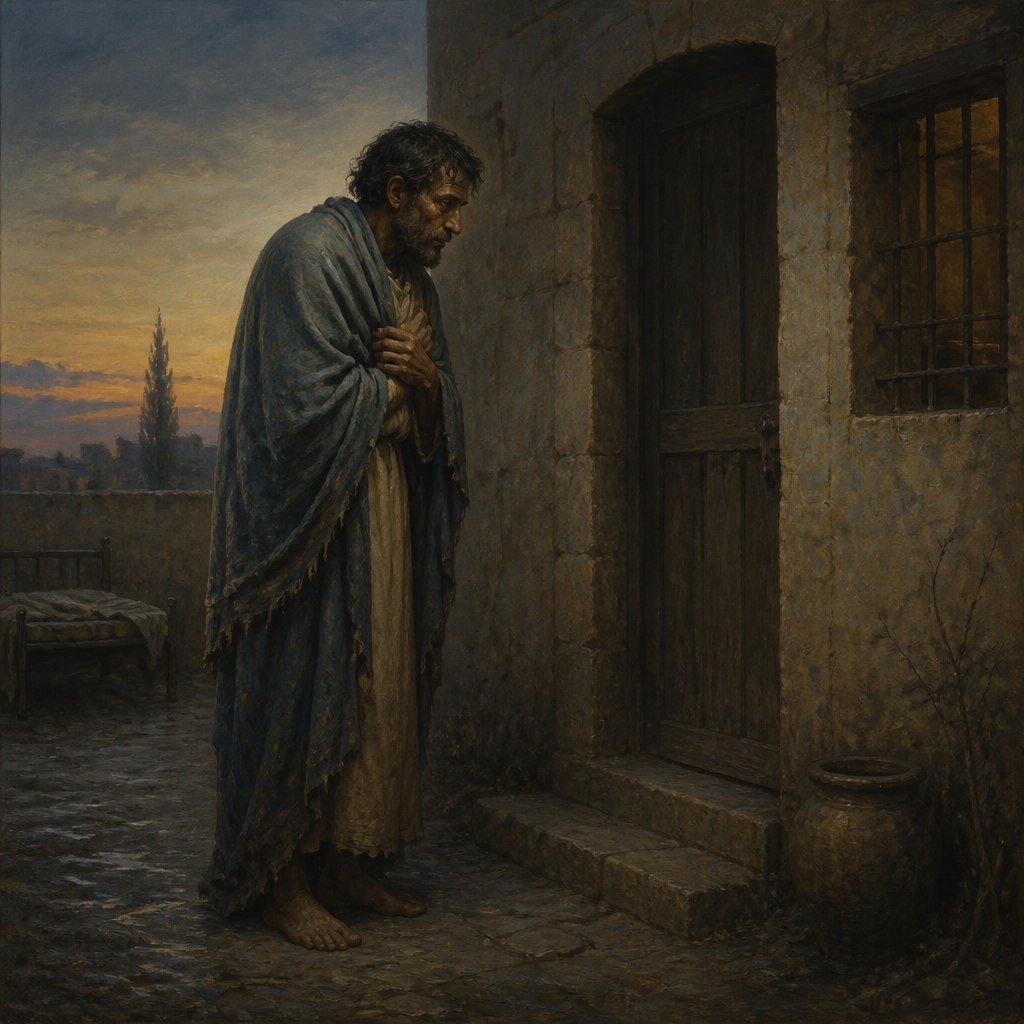
"Matthew 25:43" from the King James Version (KJV) of the Bible reads, "I was a stranger, and ye took me not in: naked, and ye clothed me not: sick, and in prison, and ye visited me not."
This verse is part of a larger passage known as the "Parable of the Sheep and the Goats," which is found in Matthew 25:31-46. In this parable, Jesus is teaching about the final judgement and how people will be separated into two groups based on their actions towards others. The "sheep" are those who showed kindness and compassion to others, while the "goats" are those who did not.
The specific verse, "I was a stranger, and ye took me not in: naked, and ye clothed me not: sick, and in prison, and ye visited me not," highlights the importance of caring for those who are in need. Throughout the Bible, there is a strong emphasis on showing hospitality and compassion towards strangers, along with caring for the sick and imprisoned. This verse serves as a powerful reminder that our actions towards those who are marginalized and vulnerable are a reflection of our faith and relationship with God.
One key theme that emerges from this verse is the concept of social justice. The Bible repeatedly calls for followers of Christ to seek justice for the oppressed and to care for those who are in need. This verse challenges us to examine how we treat the marginalized and whether we are living out the principles of justice and compassion that are outlined in the teachings of Jesus. It prompts us to reflect on our attitudes and actions towards those who are often overlooked or forgotten in society.
Another theme that is present in this verse is the idea of empathy and kindness. It calls on us to put ourselves in the shoes of those who are suffering and to respond with care and compassion. The imagery of being a stranger, naked, sick, and imprisoned evokes a sense of vulnerability and desperation, and the verse underscores the importance of reaching out to those in such circumstances with love and support.
The context of this verse is significant as well. In the preceding verses, Jesus describes how the righteous were the ones who fed the hungry, gave drink to the thirsty, welcomed strangers, clothed the naked, cared for the sick, and visited those in prison. He emphasizes that when we do these things for others, we are doing them for him. This provides a clear connection between our actions towards others and our relationship with God.
Symbolism plays a role in this verse as well. The use of imagery such as being a stranger, naked, sick, and in prison is symbolic of the various forms of suffering and need that exist in the world. By highlighting these specific circumstances, Jesus is directing our attention to the different ways in which people can be marginalized and in need of assistance. It serves as a call to action for us to be mindful of these realities and to actively seek to alleviate the suffering of others.
In conclusion, "Matthew 25:43" from the King James Version (KJV) of the Bible carries a powerful message about the importance of caring for those who are marginalized and vulnerable. It challenges us to examine our actions and attitudes towards others and to consider how we can live out the principles of justice and compassion that are central to the teachings of Jesus. This verse serves as a reminder that our faith is reflected in how we treat those in need, and it calls on us to respond with empathy, kindness, and hospitality.
Get our apps


Artwork for Matthew 25:43

Matthew 25:43 - "I was a stranger, and ye took me not in: naked, and ye clothed me not: sick, and in prison, and ye visited me not."
"I was a stranger, and ye took me not in: naked, and ye clothed me not: sick, and in prison, and ye visited me not." - Matthew 25:43

Genesis 43:25 - "And they made ready the present against Joseph came at noon: for they heard that they should eat bread there."
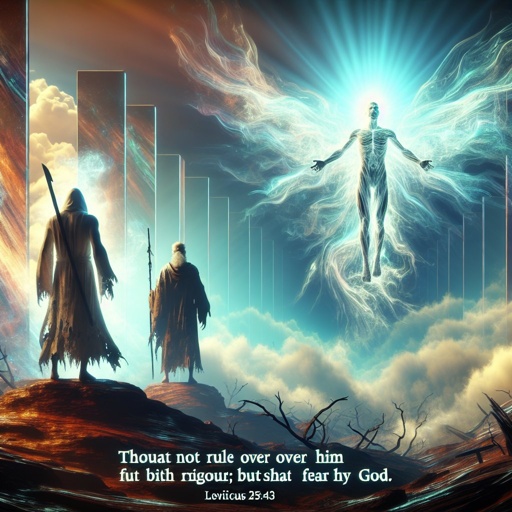
Leviticus 25:43 - "Thou shalt not rule over him with rigour; but shalt fear thy God."

Matthew 25:25

Matthew 26:43 - "And he came and found them asleep again: for their eyes were heavy."

1 Samuel 25:43 - "David also took Ahinoam of Jezreel; and they were also both of them his wives."

Matthew 25: 14-25

Matthew 22:43 - "He saith unto them, How then doth David in spirit call him Lord, saying,"

Isaiah 43:25 - "I, even I, am he that blotteth out thy transgressions for mine own sake, and will not remember thy sins."

Matthew 13:43 - "Then shall the righteous shine forth as the sun in the kingdom of their Father. Who hath ears to hear, let him hear."

Matthew 5:43 - "¶ Ye have heard that it hath been said, Thou shalt love thy neighbour, and hate thine enemy."

Matthew 12:43 - "When the unclean spirit is gone out of a man, he walketh through dry places, seeking rest, and findeth none."

Matthew 26:25

Matthew 25:23

Matthew 25:21

Matthew 16:25

matthew 25:31

Matthew 25:21

Matthew 25:23

Matthew 21:25

Matthew 27:43 - "He trusted in God; let him deliver him now, if he will have him: for he said, I am the Son of God."

Matthew 25:25 - "And I was afraid, and went and hid thy talent in the earth: lo, there thou hast that is thine."

Matthew 21:43 - "Therefore say I unto you, The kingdom of God shall be taken from you, and given to a nation bringing forth the fruits thereof."

Ezekiel 43:25 - "Seven days shalt thou prepare every day a goat for a sin offering: they shall also prepare a young bullock, and a ram out of the flock, without blemish."

Matthew 25:11-13

Matthew 6:25 – 34

"Thou shalt not rule over him with rigour; but shalt fear thy God." - Leviticus 25:43

"Then shall the righteous shine forth as the sun in the kingdom of their Father. Who hath ears to hear, let him hear." - Matthew 13:43

Matthew 25:4 - "But the wise took oil in their vessels with their lamps."