What does Matthew 26:23 mean?
“And he answered and said, He that dippeth his hand with me in the dish, the same shall betray me.” — Matthew 26:23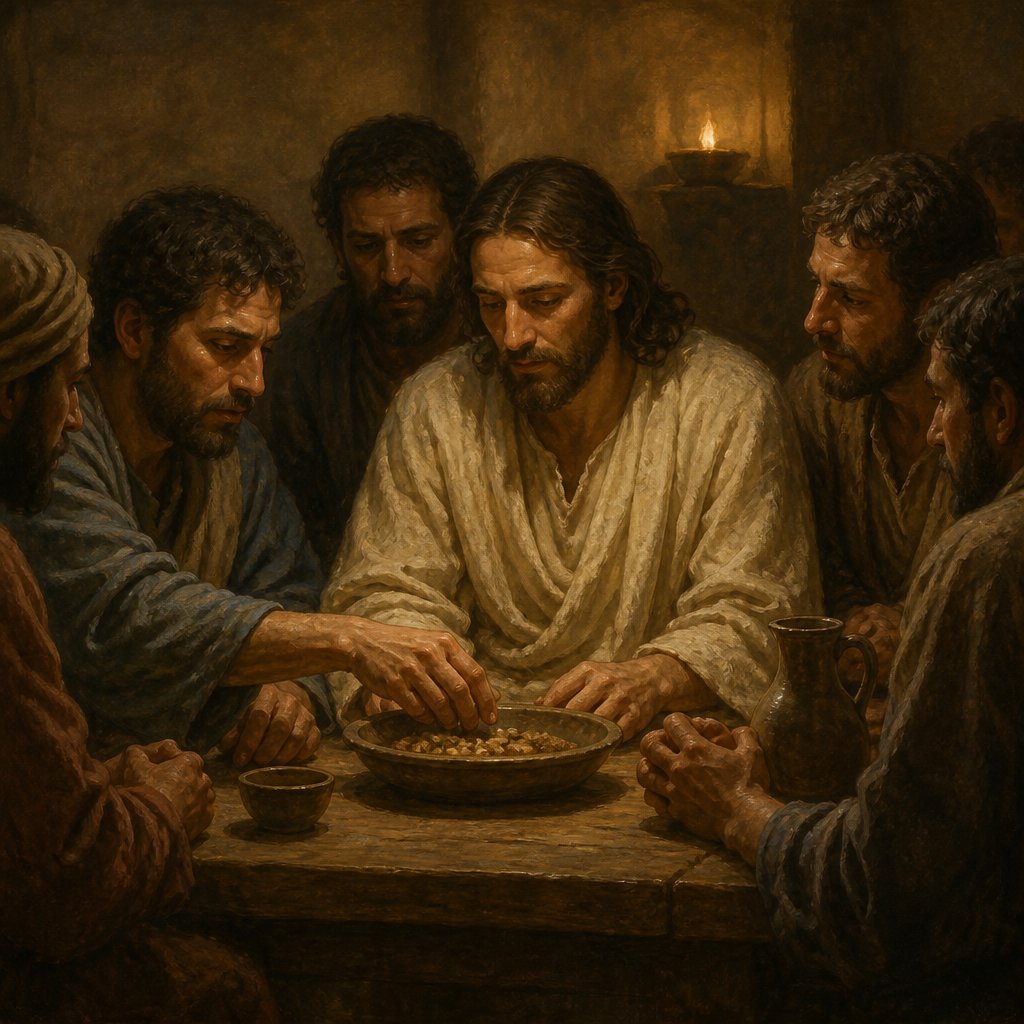
Matthew 26:23 says, "And he answered and said, He that dippeth his hand with me in the dish, the same shall betray me." This verse comes from the New Testament of the Bible, specifically from the Gospel of Matthew. In this verse, Jesus is speaking to his disciples during the Last Supper, and he is foreshadowing the betrayal that will come from one of them.
The context of this verse is important to understand its significance. The Last Supper was a pivotal moment in the life of Jesus and in the overall narrative of the Bible. This was the final meal that Jesus shared with his disciples before his crucifixion, and it was during this time that he revealed to them that he would be betrayed and handed over to be crucified. The disciples were understandably distressed and confused by this revelation, and their reactions serve as a backdrop to this particular verse.
The theme of betrayal is a central focus in this verse. Jesus is aware that one of his closest followers will betray him, and he expresses the deep sorrow and betrayal he feels by pointing out that the person who will betray him is someone who is sharing the meal with him. This theme of betrayal is a recurring theme throughout the Bible, and it serves to emphasize the human condition of sin and the need for redemption.
The symbolism in this verse is also significant. The act of dipping his hand in the dish with Jesus would have been a sign of close friendship and intimacy, as it was a common custom in that culture to share a meal in this way. By identifying the betrayer as someone who shares in this intimate act with him, Jesus is highlighting the depth of the betrayal and the personal nature of the hurt he will experience.
This verse is also a powerful reminder of the human struggle with temptation and sin. The disciples, who were chosen to be close companions of Jesus, were not immune to the temptation to betray him. This serves as a cautionary tale for all believers, reminding them of the potential for betrayal and urging them to remain vigilant in their faith.
Overall, Matthew 26:23 is a poignant and powerful verse that captures the emotional and personal nature of the betrayal of Jesus. It serves as a reminder of the human capacity for sin and betrayal, and it ultimately points to the need for redemption and forgiveness. It is a verse that continues to resonate with believers, reminding them of the profound love and sacrifice of Jesus, as well as the need for humility and vigilance in their own lives.
Get our apps


Artwork for Matthew 26:23

Matthew 26:23 - "And he answered and said, He that dippeth his hand with me in the dish, the same shall betray me."
"And he answered and said, He that dippeth his hand with me in the dish, the same shall betray me." - Matthew 26:23

Matthew 23:26 - "Thou blind Pharisee, cleanse first that which is within the cup and platter, that the outside of them may be clean also."

Matthieu 5:23-26
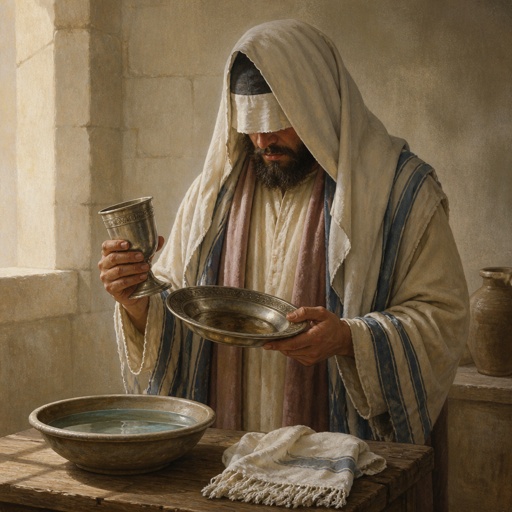
"Thou blind Pharisee, cleanse first that which is within the cup and platter, that the outside of them may be clean also." - Matthew 23:26

Matthew 6:23

Matthew 26:25

Matthew 26:15

Matthew 19:26

Matthew 26:15

Matthew 27:26

Matthew 27:26

Matthew 26:53

Matthew 26:41

Matthew 26:65

Matthew 26:53

Matthew 25:23

Matthew 2:23

Matthew 15:23

Matthew 2:23

Matthew 23:12

Matthew 23:12

Matthew 10:26-33
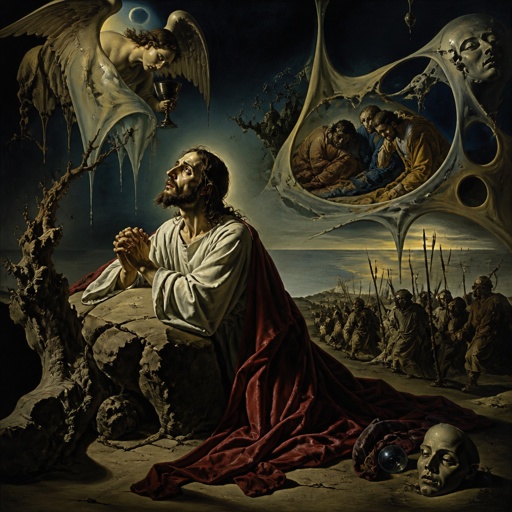
Matthew 26:36-46

Matthew 2:23

Matthew 23:28

Matthew 25:23

MATTHEW 28: 23

Matthew 15:23

matthew 7:23