What does Matthew 26:24 mean?
“The Son of man goeth as it is written of him: but woe unto that man by whom the Son of man is betrayed! it had been good for that man if he had not been born.” — Matthew 26:24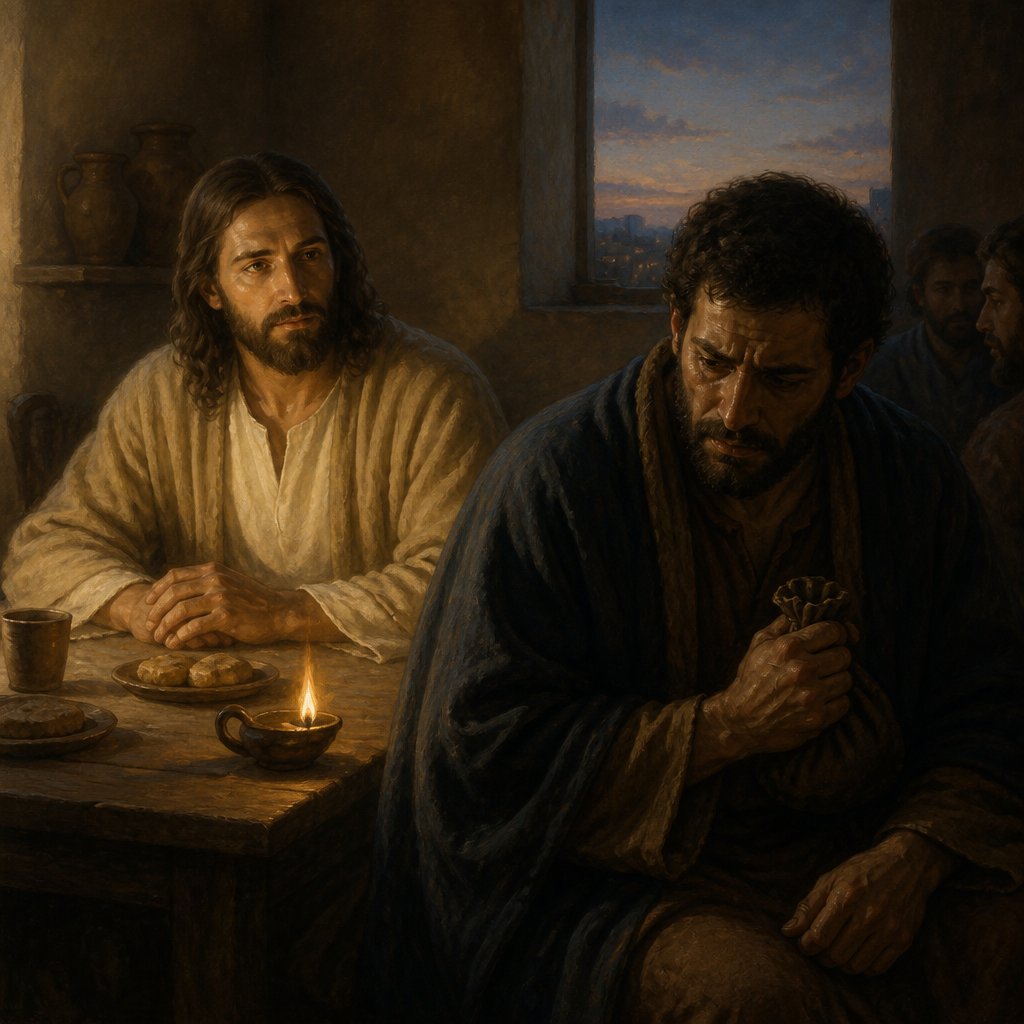
Matthew 26:24 in the King James Version of the Bible reads, "The Son of man goeth as it is written of him: but woe unto that man by whom the Son of man is betrayed! it had been good for that man if he had not been born."
This verse comes from the New Testament and is part of the story of Jesus' betrayal and crucifixion. It is a powerful and sobering statement made by Jesus himself, as he speaks about the betrayal he will face at the hands of one of his closest disciples, Judas Iscariot.
The verse begins with the phrase, "The Son of man goeth as it is written of him," which indicates that the events surrounding Jesus' betrayal and crucifixion are a part of God's divine plan. This is consistent with the themes of predestination and the fulfillment of Old Testament prophecy that run throughout the Gospel of Matthew. Jesus' suffering and death were foretold by the prophets and were part of God's redemptive plan for humanity.
The verse then continues with a warning to the one who will betray Jesus, "woe unto that man by whom the Son of man is betrayed!" This is a clear condemnation of the treachery and betrayal that Judas Iscariot is about to commit. Jesus is acknowledging the severity of the betrayal and the devastating consequences it will have for both Judas and for Jesus himself.
The final part of the verse is a chilling statement, "it had been good for that man if he had not been born." This pronouncement reflects the depth of the betrayal and the gravity of the consequences for Judas. It suggests that the suffering and torment that Judas will endure as a result of his betrayal will be so severe that it would have been better for him not to have been born at all. This is a stark and tragic prophecy of the fate that awaits Judas, who will ultimately take his own life in remorse and despair.
The themes present in this verse are numerous and profound. The concept of betrayal is central, as Judas' act of turning against Jesus, the Messiah, is one of the most infamous acts of treachery in history. This betrayal is juxtaposed with the idea of divine predestination, as Jesus acknowledges that his suffering and death are part of God's plan. This underscores the overarching theme of the sovereignty of God and his control over human events, even in the face of human betrayal and sin.
Additionally, the verse touches on the idea of consequences and accountability. Judas' betrayal has lasting and severe implications, not only for Jesus but also for Judas himself. The phrase "woe unto that man" emphasizes the enormity of the betrayal and the weight of the guilt that Judas will bear.
The symbolism in this verse is also rich and significant. The image of the "Son of man" going as it is written of him carries deep theological implications, pointing to Jesus' identity as the long-awaited Messiah whose suffering and death were foretold in the Old Testament. The phrase "woe unto that man" carries a sense of divine judgment and condemnation, highlighting the severity of the betrayal and its spiritual ramifications.
In conclusion, Matthew 26:24 is a powerful and haunting verse that encapsulates the themes of betrayal, divine sovereignty, consequences, and the ultimate tragedy of Judas' betrayal of Jesus. It serves as a poignant reminder of the profound implications of human choices and the unfathomable depth of God's mercy and justice.
Get our apps


Artwork for Matthew 26:24
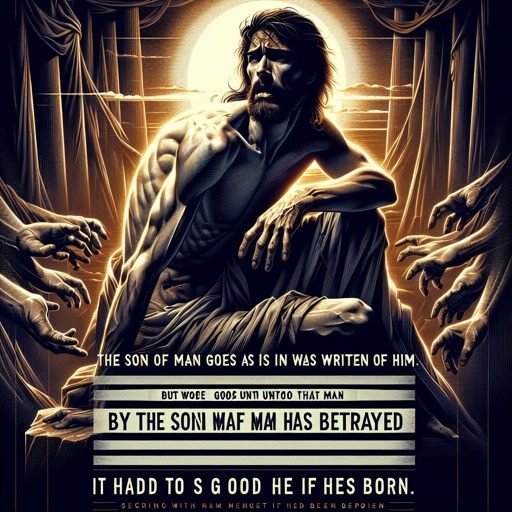
Matthew 26:24 - "The Son of man goeth as it is written of him: but woe unto that man by whom the Son of man is betrayed! it had been good for that man if he had not been born."
"The Son of man goeth as it is written of him: but woe unto that man by whom the Son of man is betrayed! it had been good for that man if he had not been born." - Matthew 26:24
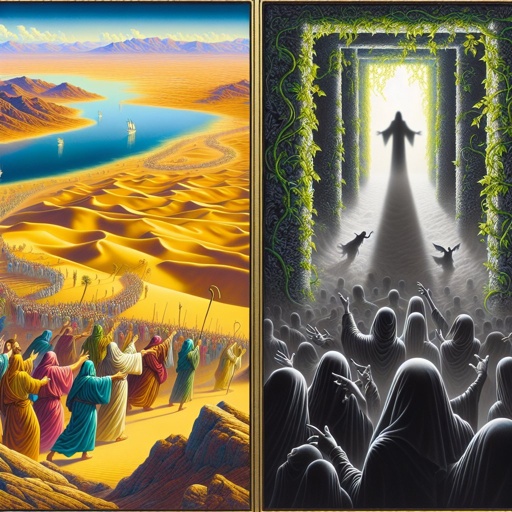
Matthew 24:26 - "Wherefore if they shall say unto you, Behold, he is in the desert; go not forth: behold, he is in the secret chambers; believe it not."

Genesis 24-26
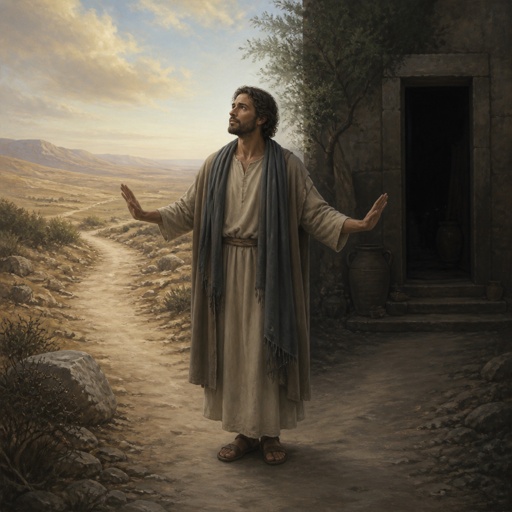
"Wherefore if they shall say unto you, Behold, he is in the desert; go not forth: behold, he is in the secret chambers; believe it not." - Matthew 24:26

Matthew 24:35

Matthew 24:35

Matthew 24:35

Matthew 24:35

Matthew 24:35

Matthew 24:35

Matthew 24:35

Matthew 24:35

Matthew 24:35

Matthew 24:35

Matthew 26:25

Matthew 26:15

Matthew 19:26

Matthew 26:15

Matthew 27:26

Matthew 27:26

Matthew 26:53

Matthew 26:65

Matthew 26:41

Matthew 26:53

Matthew 24:15

Matthew 24:27

Matthew 6:24

Matthew 24:8

Matthew 6:24