What does Matthew 26:28 mean?
“For this is my blood of the new testament, which is shed for many for the remission of sins.” — Matthew 26:28
Matthew 26:28 in the King James Version reads, “For this is my blood of the new testament, which is shed for many for the remission of sins.” The verse belongs to the scene of the last supper, when Jesus is at the table with his disciples in the hours just before his arrest and crucifixion. In that setting he takes the cup, gives thanks, and gives it to them to drink, and then he speaks these words. The moment is deliberately solemn: it is the closing act of his public ministry and the immediate preface to his suffering. The cup is not presented as ordinary wine but as a divinely appointed sign that interprets what is about to happen to him.
The first weighty phrase is, “this is my blood.” In biblical thought, blood is closely tied to life, and to the seriousness of sin and death. Blood is what is poured out when life is given up. By identifying the cup with his blood, Jesus is declaring that his approaching death is not an accident or merely a martyr’s end, but a purposeful giving of his life. The language is sacrificial, evoking the way blood functioned in the worship of Israel as the visible cost of atonement. He is saying that what his disciples are about to witness—his blood being shed—is the decisive act by which God deals with sin.
He then calls it “the new testament.” In the KJV, “testament” carries the sense of covenant, a binding arrangement God makes with his people. The phrase therefore signals a transition from what God had established before to something now being instituted through Jesus himself. A covenant in Scripture is not merely an agreement between equals; it is God’s pledged relationship, with promises and obligations, established and sealed by God’s own action. To say “new testament” is to announce that Jesus’ death will inaugurate a new covenantal order, one that will define the people of God and the way they relate to him. This is why the cup is so significant: it is a covenant sign, like a seal, pointing to a new divine arrangement established through Christ.
The words “which is shed” underline that the covenant is not enacted by human effort but by the pouring out of Christ’s life. The passive sound of the phrase also points to inevitability and divine purpose: the shedding of his blood is the means by which the “new testament” takes effect. It implies suffering, violence, and cost. The new covenant is not made cheaply; it is purchased through the sacrifice of the Son.
The phrase “for many” is both comforting and searching. It announces breadth—this act is not for one disciple, one family, or one nation only, but for “many.” Yet it also retains a personal edge, because “many” does not mean abstract masses; it means a great multitude of real people who will be beneficiaries of what he is about to accomplish. In the immediate context, the disciples at the table represent more than themselves; they stand at the head of a community that will extend far beyond the upper room. “For many” also highlights that his death is substitutionary in purpose: his blood is shed not merely as an example but on behalf of others.
Finally, the verse states the purpose plainly: “for the remission of sins.” “Remission” in the KJV conveys release, pardon, and the sending away of guilt. The point is not only that sin is regrettable or that people need moral improvement, but that sin incurs real guilt before God and requires divine forgiveness. Jesus ties that forgiveness directly to his shed blood. In other words, the cup interprets the cross: his death is the God-appointed means by which sins are remitted. The verse thus places forgiveness at the center of what Jesus is doing. The cross is not merely a tragedy; it is the remedy for sin.
The symbolism of the cup is therefore covenantal and sacrificial at once. It is covenantal because it speaks of “the new testament,” a newly established relationship between God and his people. It is sacrificial because it is “my blood… shed… for the remission of sins.” Together these themes show that Jesus understands his death as the hinge of redemptive history. At the last supper, as he shares bread and cup with his disciples, he is not only preparing them emotionally for his departure; he is giving them a lens to understand the meaning of his suffering. The verse presents his blood as the seal of the new covenant and the price of forgiveness, making Matthew 26:28 a compact summary of the gospel as Matthew records it: salvation is grounded in the purposeful, sacrificial death of Christ, by which sins are forgiven and a new covenant people is formed.
Get our apps


Artwork for Matthew 26:28

Matthew 26:28 - "For this is my blood of the new testament, which is shed for many for the remission of sins."

"For this is my blood of the new testament, which is shed for many for the remission of sins." - Matthew 26:28

Matthew 26:26-28 - "And as they were eating, Jesus took bread, and blessed it, and brake it, and gave it to the disciples, and said, Take, eat; this is my body. And he took the cup, and gave thanks, and gave it to them, saying, Drink ye all of it; For this is my blood of the new testament, which is shed for many for the remission of sins."

Matthew 20:26-28 - "It shall not be so among you. But whoever would be great among you must be your servant, and whoever would be first among you must be your slave, even as the Son of Man came not to be served but to serve, and to give his life as a ransom for many."

matthew 28:19

matthew 28:19

romans 8:26-28

MATTHEW 28: 23

Matthew 23:28

matthew 8:28

Matthew 28:11

Matthew 23:28

Matthew 26:25

Matthew 26:15

Matthew 19:26

Matthew 26:15

Matthew 27:26

Matthew 27:26

Matthew 26:53

Matthew 26:65

Matthew 26:41

Matthew 26:53
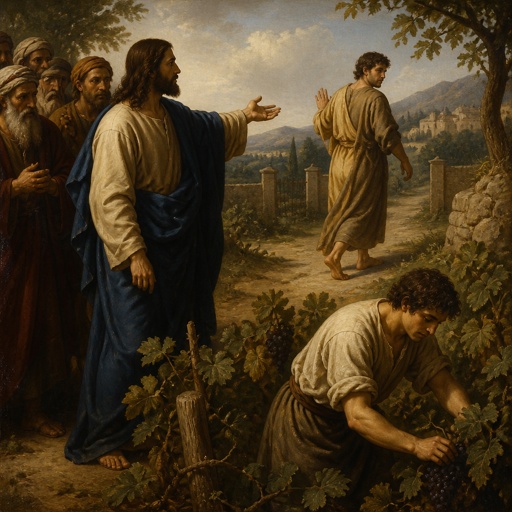
Matthew 21:28-32

Matthew 28:19-20

Matthew 28:19-20

Matthew 28: 19-20

Matthew 28:19-20

Numbers 26:28 - "¶ The sons of Joseph after their families were Manasseh and Ephraim."

Matthew 24:28 - "For wheresoever the carcase is, there will the eagles be gathered together."
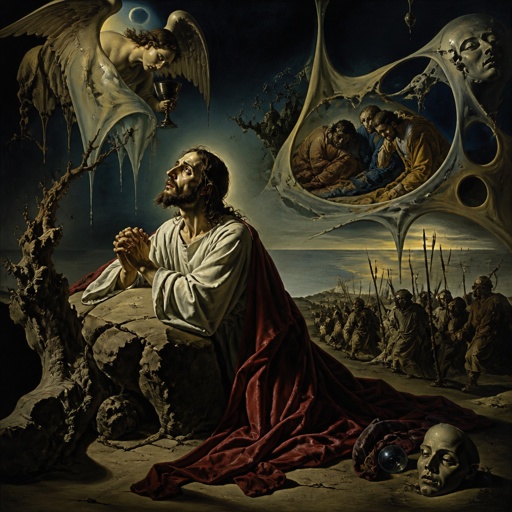
Matthew 26:36-46