What does Matthew 26:49 mean?
“And forthwith he came to Jesus, and said, Hail, master; and kissed him.” — Matthew 26:49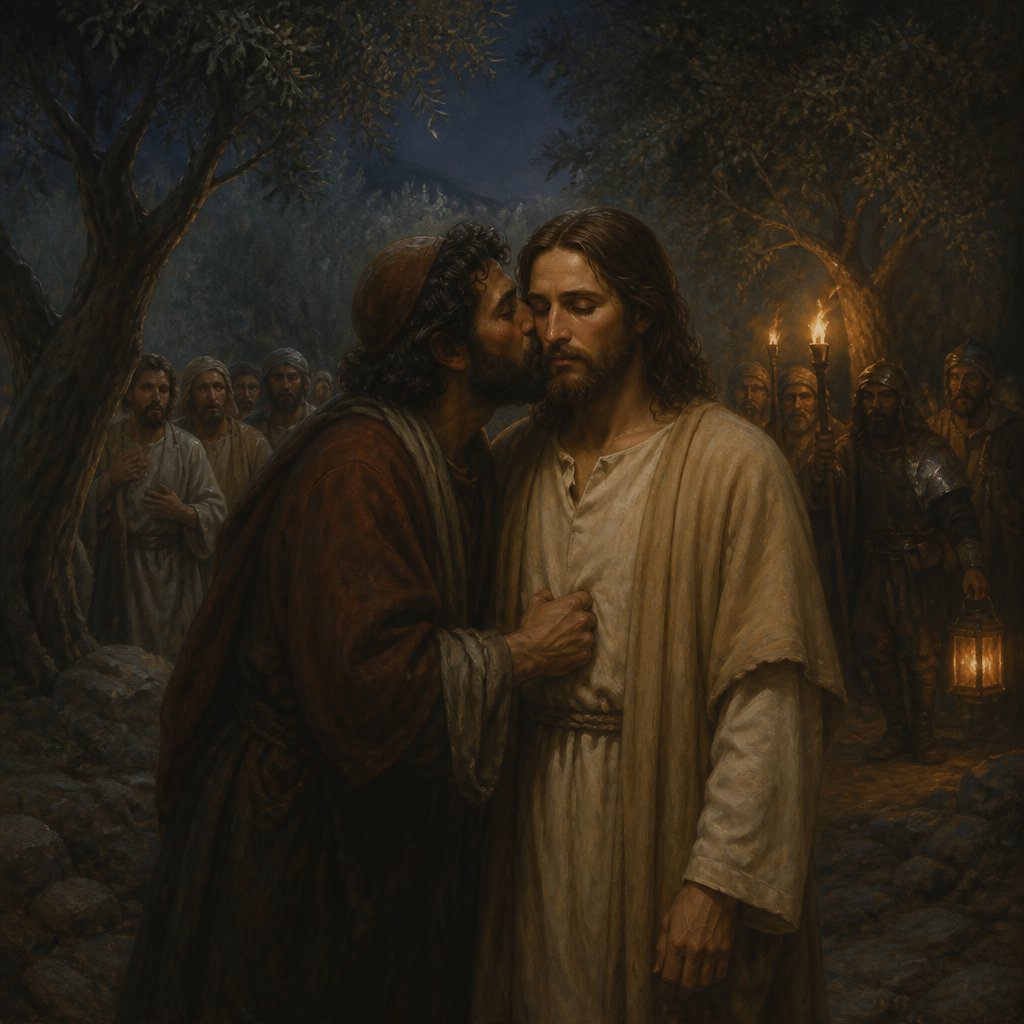
Matthew 26:49 (KJV) - "And forthwith he came to Jesus, and said, Hail, master; and kissed him."
This verse is part of the larger story of the betrayal of Jesus by one of his disciples, Judas Iscariot. The verse is depicting the moment when Judas arrives with a group of armed men to arrest Jesus in the Garden of Gethsemane. The use of the word "master" in this verse highlights the twisted nature of Judas' betrayal. He addresses Jesus with a term of respect and affection while simultaneously betraying him with a kiss.
The betrayal of Jesus by Judas is a significant event in the Christian narrative, as it ultimately leads to Jesus' crucifixion. This verse is a key moment in that betrayal, capturing the deceit and hypocrisy of Judas' actions.
One of the key themes of this verse is the idea of betrayal and the complexity of human nature. Judas was one of Jesus' chosen disciples, yet he ultimately betrays him for thirty pieces of silver. This reinforces the biblical theme of the Fall and the sinful nature of humanity. It also serves as a reminder of the importance of loyalty and the consequences of betrayal.
The context of this verse is also important in understanding its significance. In the lead-up to this moment, Jesus had been in the Garden of Gethsemane praying, knowing that his arrest and crucifixion were imminent. The arrival of Judas and the armed men marked the beginning of the end for Jesus' earthly ministry. This adds to the weight of the betrayal, as it takes place at a significant and emotionally charged moment in the narrative.
The symbolism in this verse is also worth considering. The act of betrayal through a kiss is a powerful image that carries deep meaning. A kiss is often seen as a sign of affection and intimacy, yet in this context, it becomes a tool of betrayal. This serves as a stark reminder of the deceptive nature of sin and the potential for evil to exist alongside expressions of love and friendship.
The use of the word "master" in Judas' address to Jesus is also symbolic. It emphasizes the relationship between the two men and the authority that Jesus held as a teacher and leader. This makes Judas' betrayal all the more significant, as it represents a betrayal of authority and trust.
Overall, Matthew 26:49 captures a pivotal moment in the narrative of Jesus' betrayal and arrest. It is a moment fraught with emotion, deceit, and significance, and it serves as a reminder of the complexity of human nature and the consequences of betrayal. The themes of loyalty, deception, and the fallibility of humanity are all present in this verse, making it a powerful and resonant moment in the biblical narrative.
Get our apps


Artwork for Matthew 26:49

Matthew 26:49 - "And forthwith he came to Jesus, and said, Hail, master; and kissed him."
"And forthwith he came to Jesus, and said, Hail, master; and kissed him." - Matthew 26:49

Numbers 26:49 - "Of Jezer, the family of the Jezerites: of Shillem, the family of the Shillemites."

Matthew 24:49 - "And shall begin to smite his fellowservants, and to eat and drink with the drunken;"

Matthew 27:49 - "The rest said, Let be, let us see whether Elias will come to save him."
"Of Jezer, the family of the Jezerites: of Shillem, the family of the Shillemites." - Numbers 26:49

Matthew 13:49 - "So shall it be at the end of the world: the angels shall come forth, and sever the wicked from among the just,"

Matthew 12:49 - "And he stretched forth his hand toward his disciples, and said, Behold my mother and my brethren!"

Jeremiah 49:26 - "Therefore her young men shall fall in her streets, and all the men of war shall be cut off in that day, saith the LORD of hosts."
"And shall begin to smite his fellowservants, and to eat and drink with the drunken;" - Matthew 24:49

Matthew 26:25

Matthew 26:15

Matthew 19:26

Matthew 26:15

Matthew 27:26

Matthew 27:26

Matthew 26:53

Matthew 26:41

Matthew 26:65

Matthew 26:53
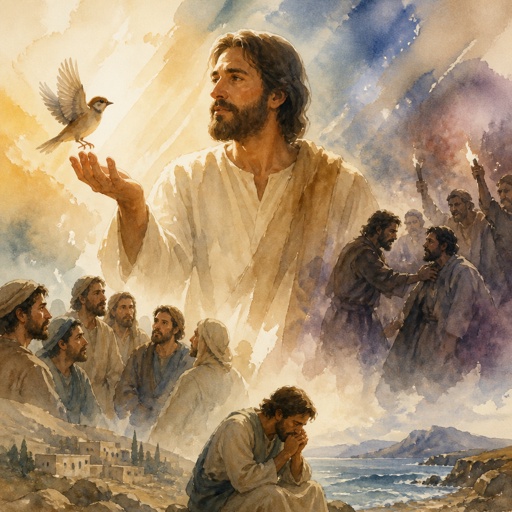
Matthew 10:26-33
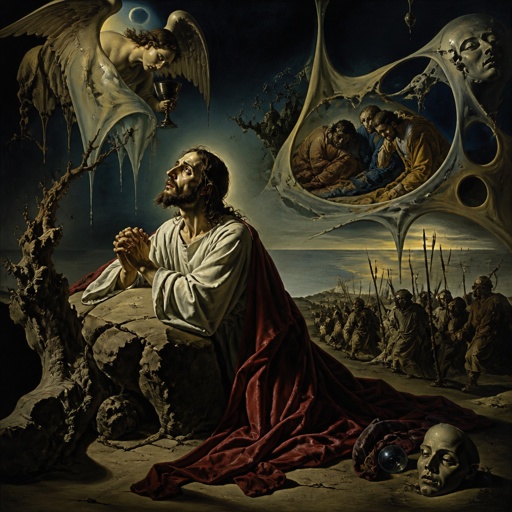
Matthew 26:36-46

Genesis 49:26 - "The blessings of thy father have prevailed above the blessings of my progenitors unto the utmost bound of the everlasting hills: they shall be on the head of Joseph, and on the crown of the head of him that was separate from his brethren."

Matthew 26:26 - "¶ And as they were eating, Jesus took bread, and blessed it, and brake it, and gave it to the disciples, and said, Take, eat; this is my body."

Matthew 22:26 - "Likewise the second also, and the third, unto the seventh."

Matthew 9:26 - "And the fame hereof went abroad into all that land."

Matthew 26:54 - "But how then shall the scriptures be fulfilled, that thus it must be?"
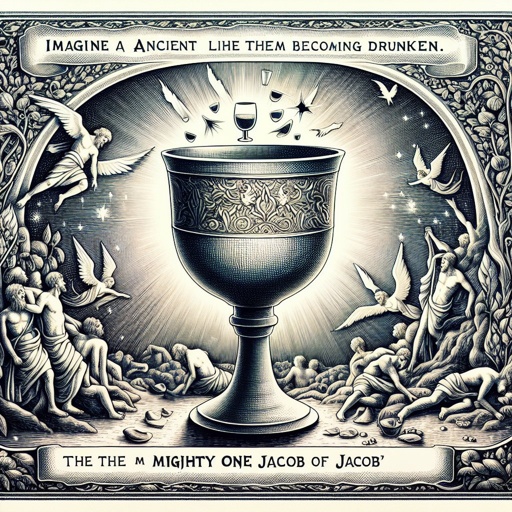
Isaiah 49:26 - "And I will feed them that oppress thee with their own flesh; and they shall be drunken with their own blood, as with sweet wine: and all flesh shall know that I the LORD am thy Saviour and thy Redeemer, the mighty One of Jacob."
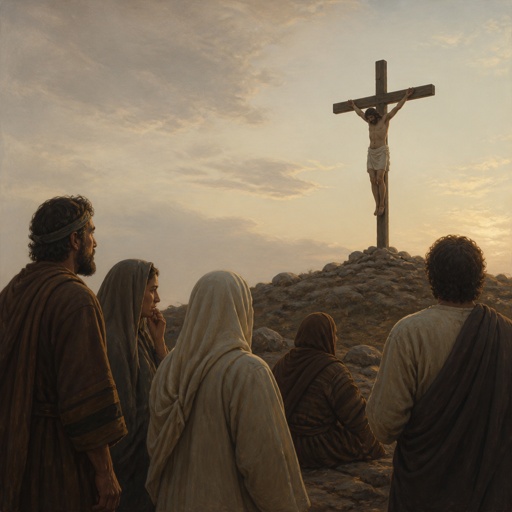
"The rest said, Let be, let us see whether Elias will come to save him." - Matthew 27:49

Matthew 26:6 - "¶ Now when Jesus was in Bethany, in the house of Simon the leper,"