What does Matthew 26:58 mean?
“But Peter followed him afar off unto the high priest’s palace, and went in, and sat with the servants, to see the end.” — Matthew 26:58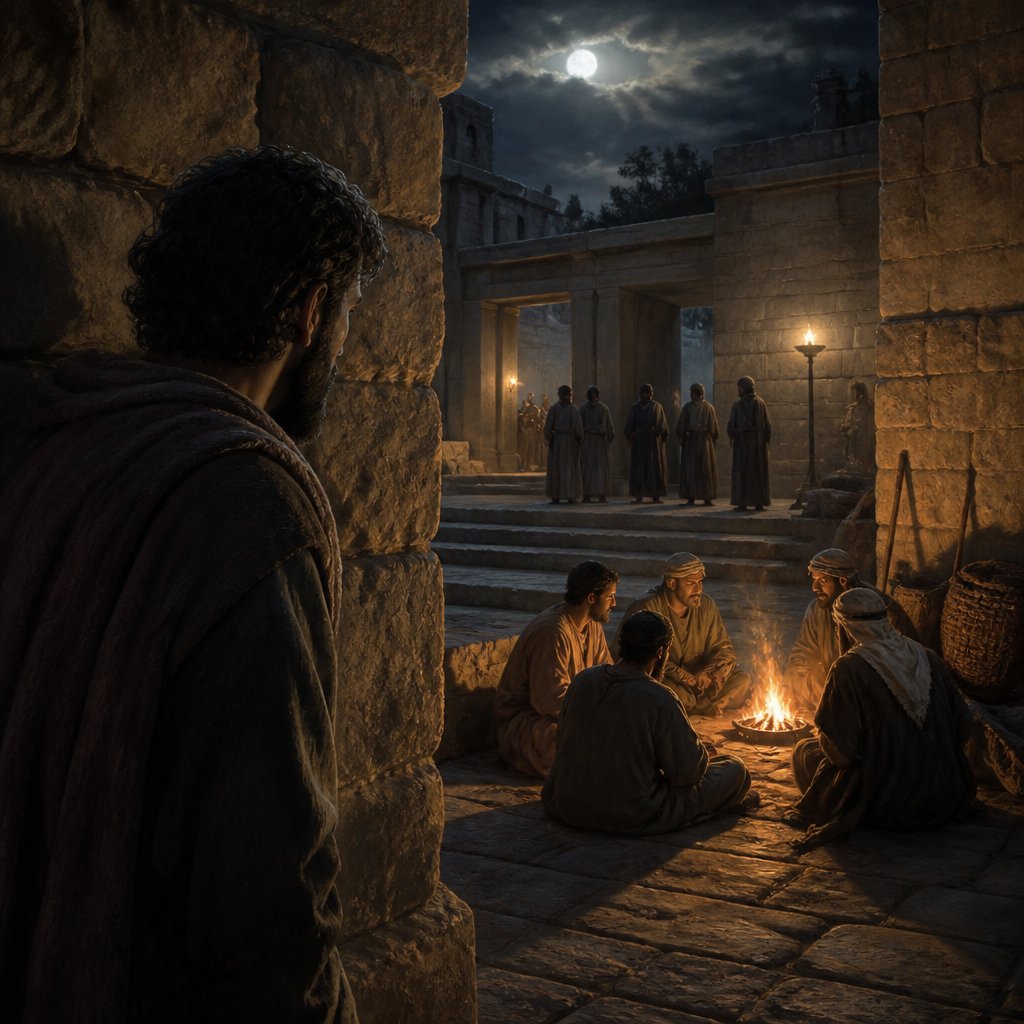
The verse Matthew 26:58 in the King James Version of the Bible reads, "But Peter followed him afar off unto the high priest's palace, and went in, and sat with the servants, to see the end." This verse is part of the larger narrative of Jesus' arrest and Peter's denial of him, which is a significant event in the gospel accounts.
The context of this verse is important for understanding its meaning. In the verses leading up to Matthew 26:58, Jesus has been arrested in the Garden of Gethsemane, and Peter has followed him at a distance as he is led away by the soldiers. As Jesus is taken before the high priest for questioning, Peter follows and goes into the high priest's palace, where he sits with the servants to see what will happen to Jesus.
One of the themes present in this verse is that of fear and betrayal. The fact that Peter follows Jesus "afar off" indicates that he is fearful of being associated with him at this critical moment. This fear ultimately leads to Peter's denial of Jesus, as he is later questioned by bystanders and denies knowing Jesus three times. This theme of fear and betrayal is a central aspect of the narrative of Jesus' arrest and crucifixion, as it highlights the human weakness and frailty that is present even in Jesus' closest followers.
Another important theme in this verse is that of witnessing and bearing witness. Despite his fear, Peter still goes into the high priest's palace and sits with the servants, indicating that he is still interested in seeing what will happen to Jesus. In this way, Peter becomes a witness to the events that unfold, even if he ultimately denies his association with Jesus. This theme of witnessing is significant in the larger narrative of Jesus' crucifixion, as it highlights the different ways in which people respond to the events surrounding Jesus' arrest and trial.
The symbolism present in this verse is also worth considering. The high priest's palace represents the center of religious and political power in Jerusalem, and Peter's presence there foreshadows the important role that religious and political authorities will play in Jesus' trial and crucifixion. Additionally, the fact that Peter sits with the servants suggests a contrast between his humble position and the power and authority of the priests and rulers who are responsible for Jesus' arrest and trial.
In sum, Matthew 26:58 is a verse that is rich in meaning and context. It speaks to the themes of fear and betrayal, witnessing and bearing witness, and the symbolism of religious and political power. Within the larger narrative of Jesus' arrest and crucifixion, this verse plays a crucial role in highlighting the human response to these events and the complex interplay of power and weakness. Ultimately, this verse serves as a poignant reminder of the challenges and struggles that are present in the human experience, even for those who strive to follow Jesus.
Get our apps


Artwork for Matthew 26:58

Matthew 26:58 - "But Peter followed him afar off unto the high priest's palace, and went in, and sat with the servants, to see the end."
"But Peter followed him afar off unto the high priest's palace, and went in, and sat with the servants, to see the end." - Matthew 26:58

Matthew 13:58 - "And he did not many mighty works there because of their unbelief."

Matthew 27:58 - "He went to Pilate, and begged the body of Jesus. Then Pilate commanded the body to be delivered."
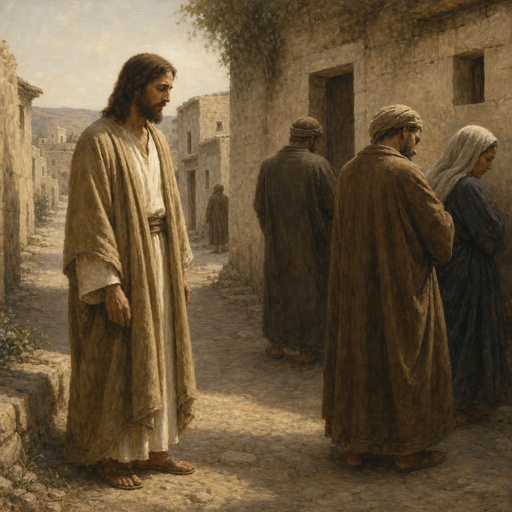
"And he did not many mighty works there because of their unbelief." - Matthew 13:58

"And he did not many mighty works there because of their unbelief." - Matthew 13:58
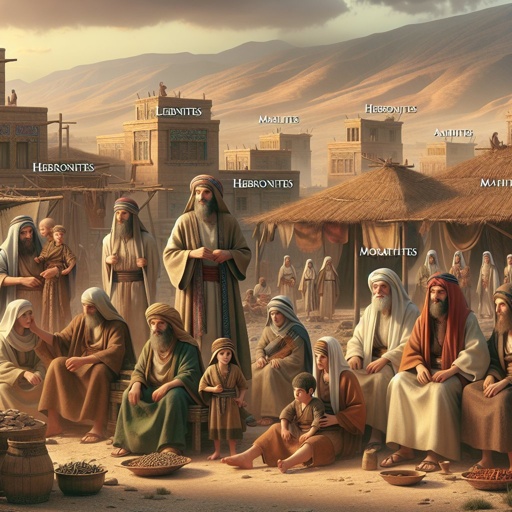
Numbers 26:58 - "These are the families of the Levites: the family of the Libnites, the family of the Hebronites, the family of the Mahlites, the family of the Mushites, the family of the Korathites. And Kohath begat Amram."
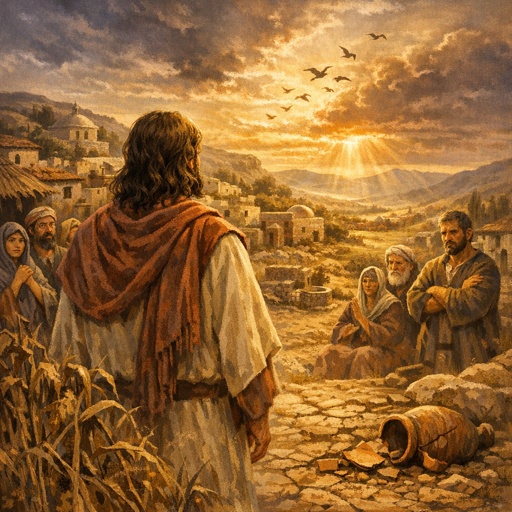
"And he did not many mighty works there because of their unbelief." - Matthew 13:58
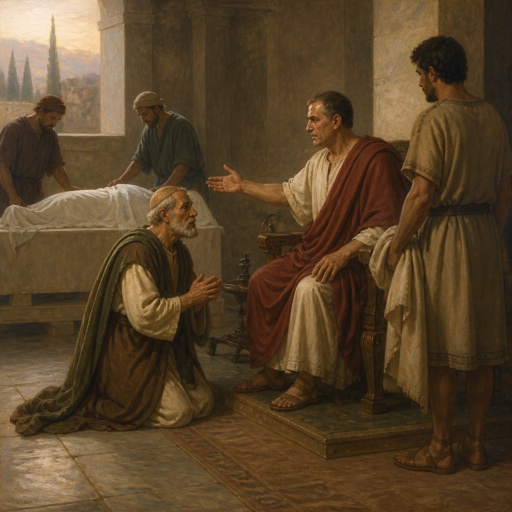
"He went to Pilate, and begged the body of Jesus. Then Pilate commanded the body to be delivered." - Matthew 27:58
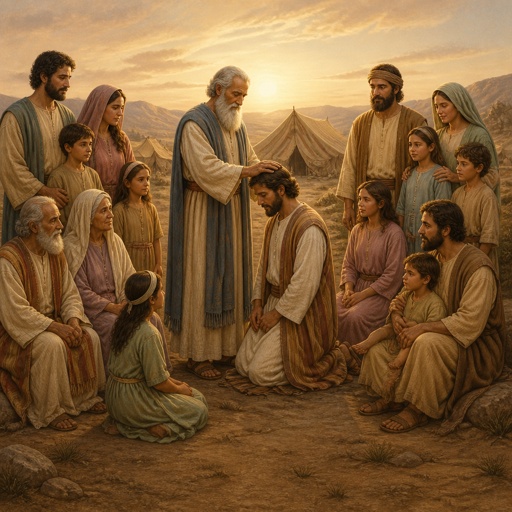
"These are the families of the Levites: the family of the Libnites, the family of the Hebronites, the family of the Mahlites, the family of the Mushites, the family of the Korathites. And Kohath begat Amram." - Numbers 26:58

Matthew 26:25

Matthew 26:15

Matthew 19:26

Matthew 26:15

Matthew 27:26

Matthew 27:26

Matthew 26:53

Matthew 26:41

Matthew 26:65

Matthew 26:53
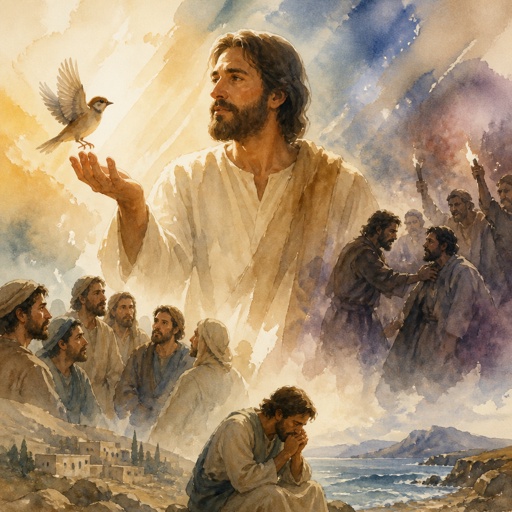
Matthew 10:26-33
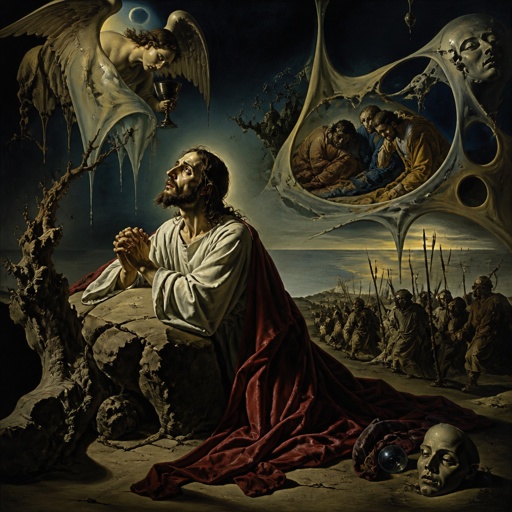
Matthew 26:36-46

Matthew 26:26 - "¶ And as they were eating, Jesus took bread, and blessed it, and brake it, and gave it to the disciples, and said, Take, eat; this is my body."

Matthew 22:26 - "Likewise the second also, and the third, unto the seventh."

Matthew 9:26 - "And the fame hereof went abroad into all that land."

Matthew 26:54 - "But how then shall the scriptures be fulfilled, that thus it must be?"

Matthew 26:6 - "¶ Now when Jesus was in Bethany, in the house of Simon the leper,"

Matthew 26:4 - "And consulted that they might take Jesus by subtilty, and kill him."

Matthew 26:5 - "But they said, Not on the feast day, lest there be an uproar among the people."

Matthew 26:16 - "And from that time he sought opportunity to betray him."