What does Matthew 27:19 mean?
"When he was set down on the judgment seat, his wife sent unto him, saying, Have thou nothing to do with that just man: for I have suffered many things this day in a dream because of him." - Matthew 27:19
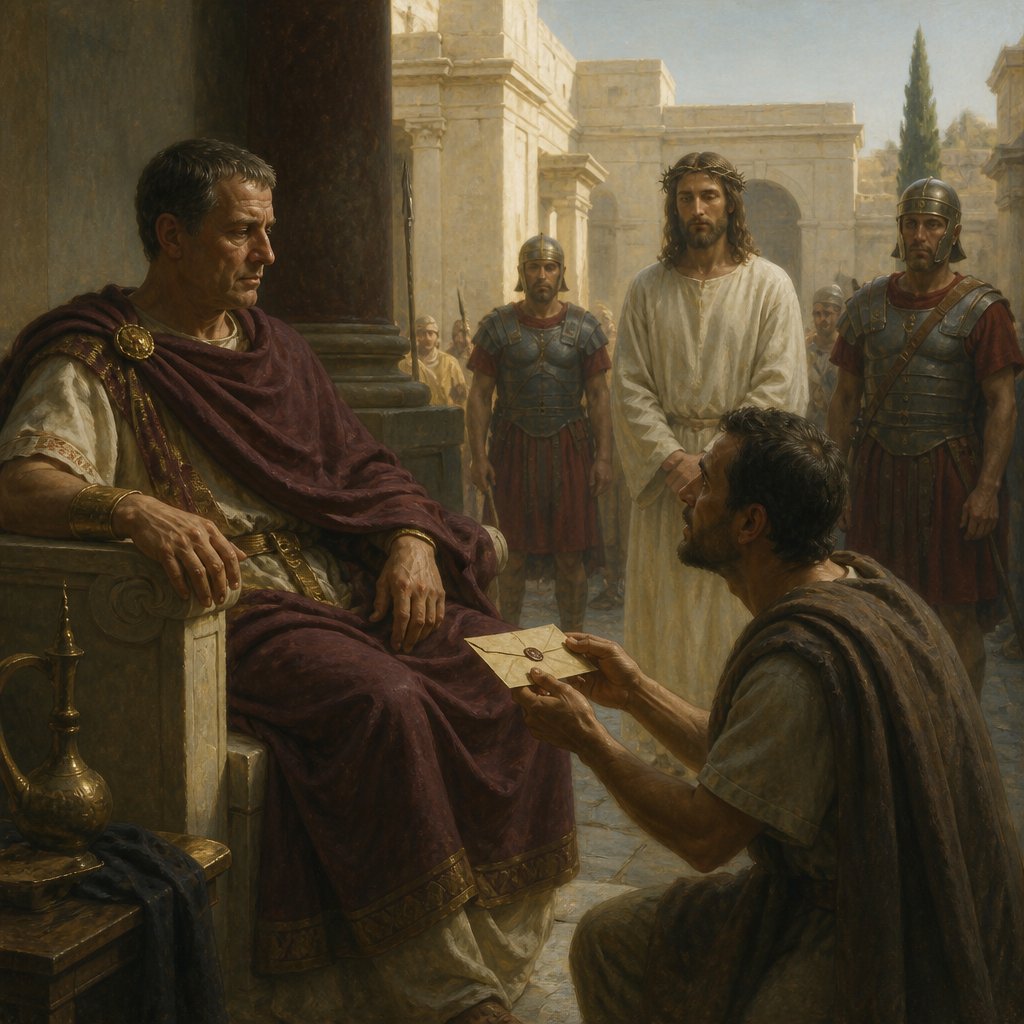
Matthew 27:19 (KJV) reads: "When he was set down on the judgment seat, his wife sent unto him, saying, Have thou nothing to do with that just man: for I have suffered many things this day in a dream because of him."
This verse comes from the Gospel of Matthew, which is the first book of the New Testament in the Christian Bible. In this particular passage, Pilate's wife sends a message to her husband, Pontius Pilate, warning him about the decision he is about to make regarding Jesus, whom she refers to as "that just man." She urges Pilate to have nothing to do with Jesus, as she has suffered greatly in a dream because of him.
This verse is rich in meaning and has several important themes and symbolism that can be explored. Firstly, it speaks to the idea of righteousness and justice. Pilate's wife refers to Jesus as "that just man," indicating that she believes him to be a righteous and innocent person. This aligns with the wider Christian understanding of Jesus as the Son of God, who came to earth to save humanity from sin. The statement also serves as a subtle warning to Pilate that he should not condemn an innocent man.
Furthermore, the verse highlights the role of women in the biblical narrative. In a time when women's voices were often marginalized, Pilate's wife uses her influence to communicate an important message to her husband. Her action demonstrates the significance of women in the unfolding of Jesus' story, and how their perspectives and actions have an impact on the events of that fateful day.
The dream that Pilate's wife mentions is also significant in terms of biblical symbolism. Dreams are a recurring motif throughout the Bible, often serving as a means through which God communicates with His people. In this case, the dream serves as a form of divine intervention, as it causes Pilate's wife to intervene on behalf of Jesus. It suggests that her dream was a message from God, reinforcing the righteousness and innocence of Jesus and warning of the consequences of condemning him.
The broader context of this verse is also important to consider. It comes within the larger narrative of Jesus' trial and crucifixion. Pilate, as the Roman governor of Judea, plays a crucial role in the events leading to Jesus' crucifixion. His decision to hand Jesus over to be crucified is a pivotal moment in the Gospel accounts, as it signifies the fulfillment of Old Testament prophecies and the ultimate sacrifice Jesus makes for the salvation of humanity.
From a theological perspective, this verse can be seen as a manifestation of God's sovereignty and providence. The fact that Pilate's wife has a dream that leads her to intervene on Jesus' behalf underscores the idea that God is in control of the events that unfold. It suggests that even in the midst of human decision-making, God's will prevails, ultimately leading to the redemption of humanity through Jesus' sacrifice.
In conclusion, Matthew 27:19 is a verse rich in meaning, symbolism, and theological significance. It speaks to the themes of righteousness, justice, the role of women in the biblical narrative, divine intervention through dreams, and God's sovereignty. It is a reminder of the profound impact of individual actions and the underlying providence of God in the unfolding of His redemptive plan.
Have questions about Matthew 27:19?
Dive deeper into this scripture with Bible Chat — an AI-powered tool for exploring God's Word through conversation. Ask questions, get context, and grow in your understanding of the Bible.
Get Our Apps


Matthew 27:19 Artwork

Matthew 27:19 - "¶ When he was set down on the judgment seat, his wife sent unto him, saying, Have thou nothing to do with that just man: for I have suffered many things this day in a dream because of him."
"¶ When he was set down on the judgment seat, his wife sent unto him, saying, Have thou nothing to do with that just man: for I have suffered many things this day in a dream because of him." - Matthew 27:19

Matthew 19:27 - "¶ Then answered Peter and said unto him, Behold, we have forsaken all, and followed thee; what shall we have therefore?"

Matthew 27:46

Matthew 27:35

Matthew 24:27

Matthew 27:26

Matthew 27:26

Matthew 27: 38

Matthew 27:27 - "Then the soldiers of the governor took Jesus into the common hall, and gathered unto him the whole band of soldiers."

Genesis 19-27

Matthew 7:24-27

Exodus 27:19-20

Genesis 27:18-19

John 19:25-27

Matthew 27:36 - "And sitting down they watched him there;"

Matthew 27:16 - "And they had then a notable prisoner, called Barabbas."

matthew 28:19

Matthew 19:26

matthew 28:19
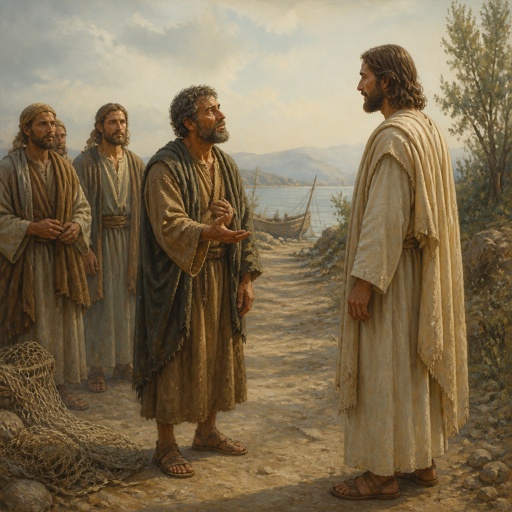
"¶ Then answered Peter and said unto him, Behold, we have forsaken all, and followed thee; what shall we have therefore?" - Matthew 19:27

John 19:25-27

John 19:26-27

Exodus 27:19-21

Matthew 22:27 - "And last of all the woman died also."

Matthew 27:39 - "¶ And they that passed by reviled him, wagging their heads,"

Matthew 27:18 - "For he knew that for envy they had delivered him."

Matthew 27:28 - "And they stripped him, and put on him a scarlet robe."

Matthew 19:13

Matthew 27:8 - "Wherefore that field was called, The field of blood, unto this day."