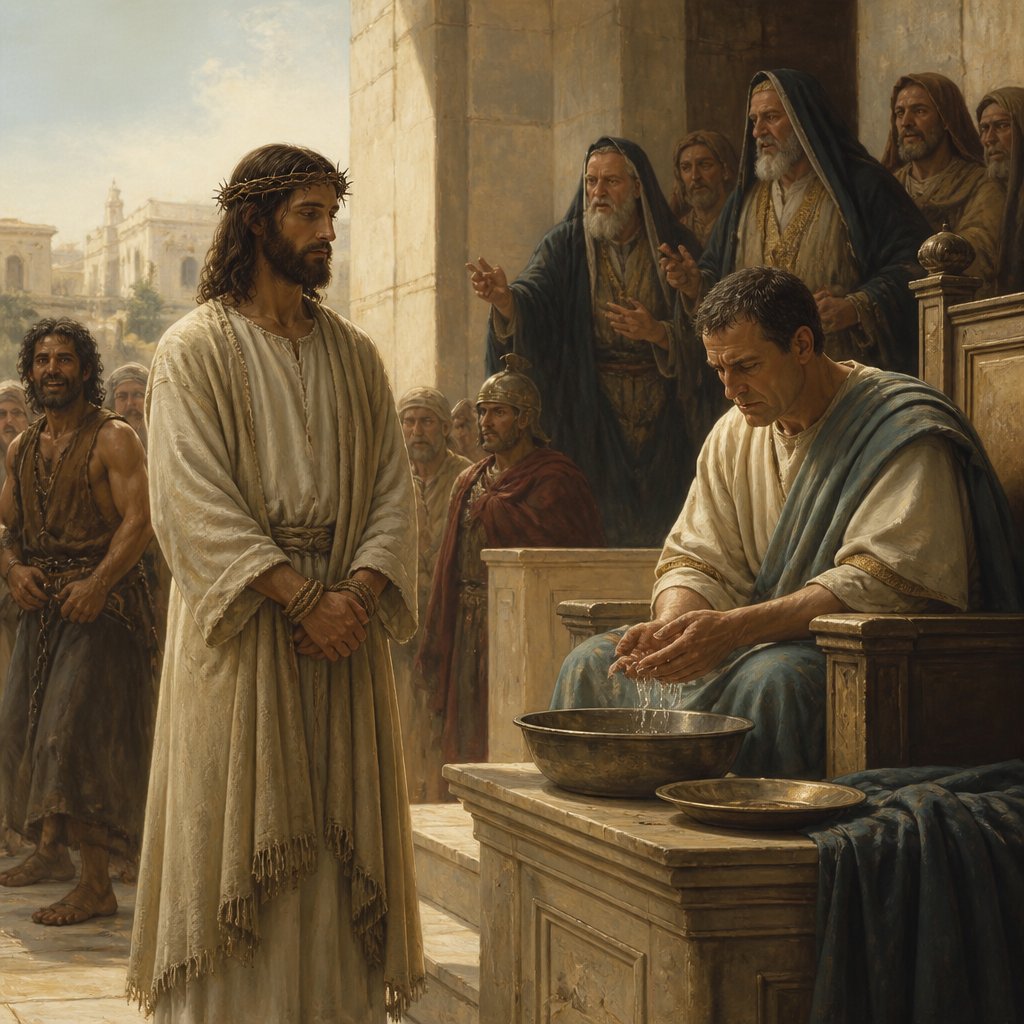
Matthew 27:11-26 from the King James Version of the Bible reads:
11 And Jesus stood before the governor: and the governor asked him, saying, Art thou the King of the Jews? And Jesus said unto him, Thou sayest.
12 And when he was accused of the chief priests and elders, he answered nothing.
13 Then said Pilate unto him, Hearest thou not how many things they witness against thee?
14 And he answered him to never a word; insomuch that the governor marvelled greatly.
15 Now at that feast the governor was wont to release unto the people a prisoner, whom they would.
16 And they had then a notable prisoner, called Barabbas.
17 Therefore when they were gathered together, Pilate said unto them, Whom will ye that I release unto you? Barabbas, or Jesus which is called Christ?
18 For he knew that for envy they had delivered him.
19 When he was set down on the judgment seat, his wife sent unto him, saying, Have thou nothing to do with that just man: for I have suffered many things this day in a dream because of him.
20 But the chief priests and elders persuaded the multitude that they should ask Barabbas, and destroy Jesus.
21 The governor answered and said unto them, Whether of the twain will ye that I release unto you? They said, Barabbas.
22 Pilate saith unto them, What shall I do then with Jesus which is called Christ? They all say unto him, Let him be crucified.
23 And the governor said, Why, what evil hath he done? But they cried out the more, saying, Let him be crucified.
24 When Pilate saw that he could prevail nothing, but that rather a tumult was made, he took water, and washed his hands before the multitude, saying, I am innocent of the blood of this just person: see ye to it.
25 Then answered all the people, and said, His blood be on us, and on our children.
26 Then released he Barabbas unto them: and when he had scourged Jesus, he delivered him to be crucified.
This passage from the Gospel of Matthew is a gripping and powerful account of Jesus' trial before Pontius Pilate and the subsequent release of Barabbas. The themes of justice, innocence, and the reality of human sin are incredibly poignant in this passage, as are the symbolism and contextual significance of the events described.
The passage begins with Jesus standing before the governor, Pontius Pilate, who questions him about being the King of the Jews. Jesus responds simply, "Thou sayest," acknowledging the truth of Pilate's statement without offering further elaboration. This interaction is a powerful reflection of Jesus' humility and acceptance of his role as the Messiah, even in the face of unjust accusations.
As the passage continues, it becomes clear that Pilate is caught in a difficult position. On one hand, he recognizes Jesus' innocence and is hesitant to condemn him. Pilate's wife even sends him a message warning him to have nothing to do with Jesus, as she has suffered greatly from a dream about him. Yet, Pilate also feels pressure from the chief priests and elders, who are intent on having Jesus crucified out of jealousy and fear of his teachings.
The symbolism in the passage is rich and multi-layered. The contrast between Barabbas, a notorious prisoner, and Jesus, the embodiment of innocence and righteousness, is stark and powerful. Pilate's washing of his hands, signifying his attempt to absolve himself of responsibility for Jesus' fate, is a haunting reminder of the reality of moral and ethical choices. The crowd's insistence that Jesus be crucified and their acceptance of responsibility for his death with the words, "His blood be on us, and on our children," is a chilling and tragic moment that carries immense weight.
In its broader context, this passage is a crucial part of the narrative of Jesus' crucifixion, a central event in Christian theology. It serves as a reminder of the injustice and cruelty that Jesus endured, and the weight of human sin that led to his sacrifice. It also speaks to the moral and ethical complexities of humanity, as represented by Pontius Pilate's struggle with the decision to condemn an innocent man.
Ultimately, this passage is a powerful reflection on the nature of justice, innocence, and the consequences of human actions. It serves as a reminder of the profound sacrifice that Jesus made for humanity, and the weight of responsibility that comes with that sacrifice. It also calls on readers to consider their own choices and actions, and the impact they have on others, particularly those who are vulnerable and marginalized. In its rich symbolism and profound themes, this passage from the Gospel of Matthew continues to resonate with and challenge readers today.
Get our apps


Artwork for Matthew 27:11-26

Matthew 27:11-26 - "Matthew 27:11-26 Jesus stood before the governor, and the governor asked him, “Are you the king of the Jews?” Jesus replied, “You have said so.” But when he was accused by the chief priests and the elders, he gave no answer. Then Pilate said to him, “Don't you hear the testimony they are bringing against you?” But Jesus made no reply, not even to a single charge, to the great amazement of the governor. Now it was the governor's custom at the festival to release a prisoner chosen by the crowd. At that time they had a well-known prisoner whose name was Jesus Barabbas. So when the crowd had gathered, Pilate asked them, “Which one do you want me to release to you: Jesus Barabbas, or Jesus who is called the Messiah?” For he knew it was out of self-interest that they had handed Jesus over to him. While Pilate was sitting on the judge’s seat, his wife sent him this message: “Don't have anything to do with that innocent man, for I have suffered a great deal today in a dream because of him.” But the chief priests and the elders persuaded the crowd to ask for Barabbas and to have Jesus executed. “Which of the two do you want me to release to you?” asked the governor. “Barabbas,” they answered. “What shall I do, then, with Jesus who is called the Messiah?” Pilate asked. They all answered, “Crucify him!” “Why? What crime has he committed?” asked Pilate. But they shouted all the louder, “Crucify him!” When Pilate saw that he was getting nowhere, but that instead an uproar was starting, he took water and washed his hands in front of the crowd. “I am innocent of this man’s blood,” he said. “It is your responsibility!” All the people answered, “His blood is on us and on our children!” Then he released Barabbas to them. But he had Jesus flogged, and handed him over to be crucified."
"Matthew 27:11-26 Jesus stood before the governor, and the governor asked him, “Are you the king of the Jews?” Jesus replied, “You have said so.” But when he was accused by the chief priests and the elders, he gave no answer. Then Pilate said to him, “Don't you hear the testimony they are bringing against you?” But Jesus made no reply, not even to a single charge, to the great amazement of the governor. Now it was the governor's custom at the festival to release a prisoner chosen by the crowd. At that time they had a well-known prisoner whose name was Jesus Barabbas. So when the crowd had gathered, Pilate asked them, “Which one do you want me to release to you: Jesus Barabbas, or Jesus who is called the Messiah?” For he knew it was out of self-interest that they had handed Jesus over to him. While Pilate was sitting on the judge’s seat, his wife sent him this message: “Don't have anything to do with that innocent man, for I have suffered a great deal today in a dream because of him.” But the chief priests and the elders persuaded the crowd to ask for Barabbas and to have Jesus executed. “Which of the two do you want me to release to you?” asked the governor. “Barabbas,” they answered. “What shall I do, then, with Jesus who is called the Messiah?” Pilate asked. They all answered, “Crucify him!” “Why? What crime has he committed?” asked Pilate. But they shouted all the louder, “Crucify him!” When Pilate saw that he was getting nowhere, but that instead an uproar was starting, he took water and washed his hands in front of the crowd. “I am innocent of this man’s blood,” he said. “It is your responsibility!” All the people answered, “His blood is on us and on our children!” Then he released Barabbas to them. But he had Jesus flogged, and handed him over to be crucified." - Matthew 27:11-26

Matthew 27:26

Matthew 27:26

Matthew 26:27 - "And he took the cup, and gave thanks, and gave it to them, saying, Drink ye all of it;"

Matthew 11:26 - "Even so, Father: for so it seemed good in thy sight."

Matthew 27:26 - "¶ Then released he Barabbas unto them: and when he had scourged Jesus, he delivered him to be crucified."

Matthew 26:11 - "For ye have the poor always with you; but me ye have not always."

Images that depicts the verse Matthew 27:11-34
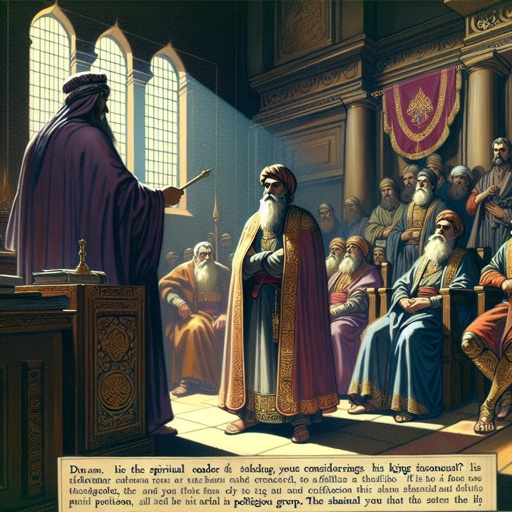
Matthew 27:11 - "And Jesus stood before the governor: and the governor asked him, saying, Art thou the King of the Jews? And Jesus said unto him, Thou sayest."

"And he took the cup, and gave thanks, and gave it to them, saying, Drink ye all of it;" - Matthew 26:27
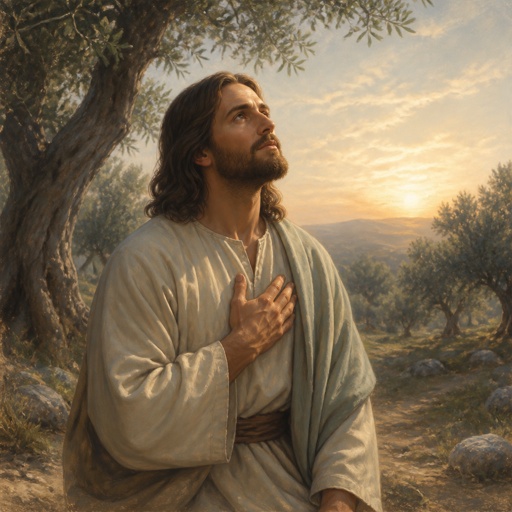
"Even so, Father: for so it seemed good in thy sight." - Matthew 11:26
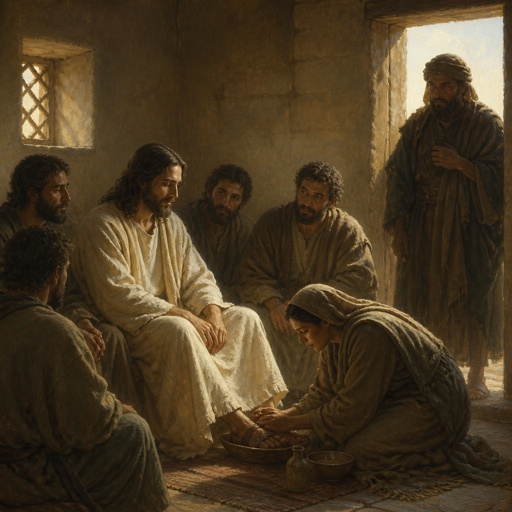
"For ye have the poor always with you; but me ye have not always." - Matthew 26:11

Matthew 11:27 - "All things are delivered unto me of my Father: and no man knoweth the Son, but the Father; neither knoweth any man the Father, save the Son, and he to whomsoever the Son will reveal him."

"¶ Then released he Barabbas unto them: and when he had scourged Jesus, he delivered him to be crucified." - Matthew 27:26

Matthew 27:46

Matthew 27:35

Matthew 24:27

Proverbs 7:26-27

John 19:26-27

Matthew 26:25

Matthew 26:15

Matthew 19:26

Matthew 26:15
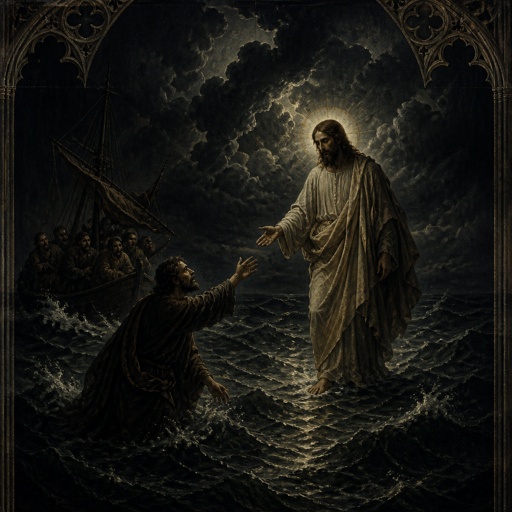
Matthew 14:27
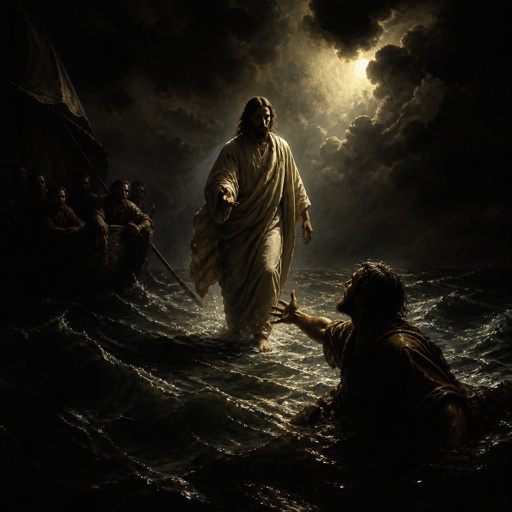
Matthew 14:27
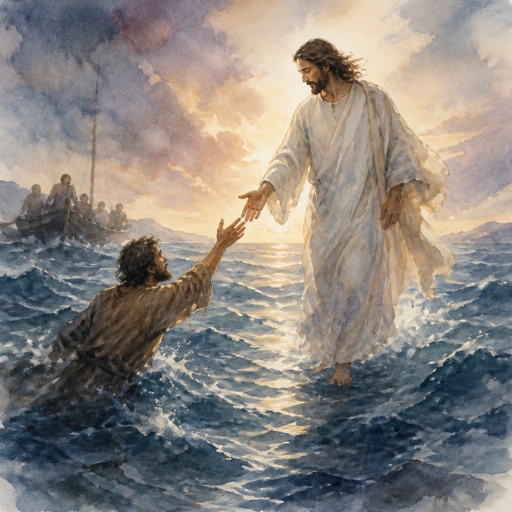
Matthew 14:27

Matthew 27: 38

Matthew 26:53

Matthew 26:41