What does Matthew 27:15 mean?
“Now at that feast the governor was wont to release unto the people a prisoner, whom they would.” — Matthew 27:15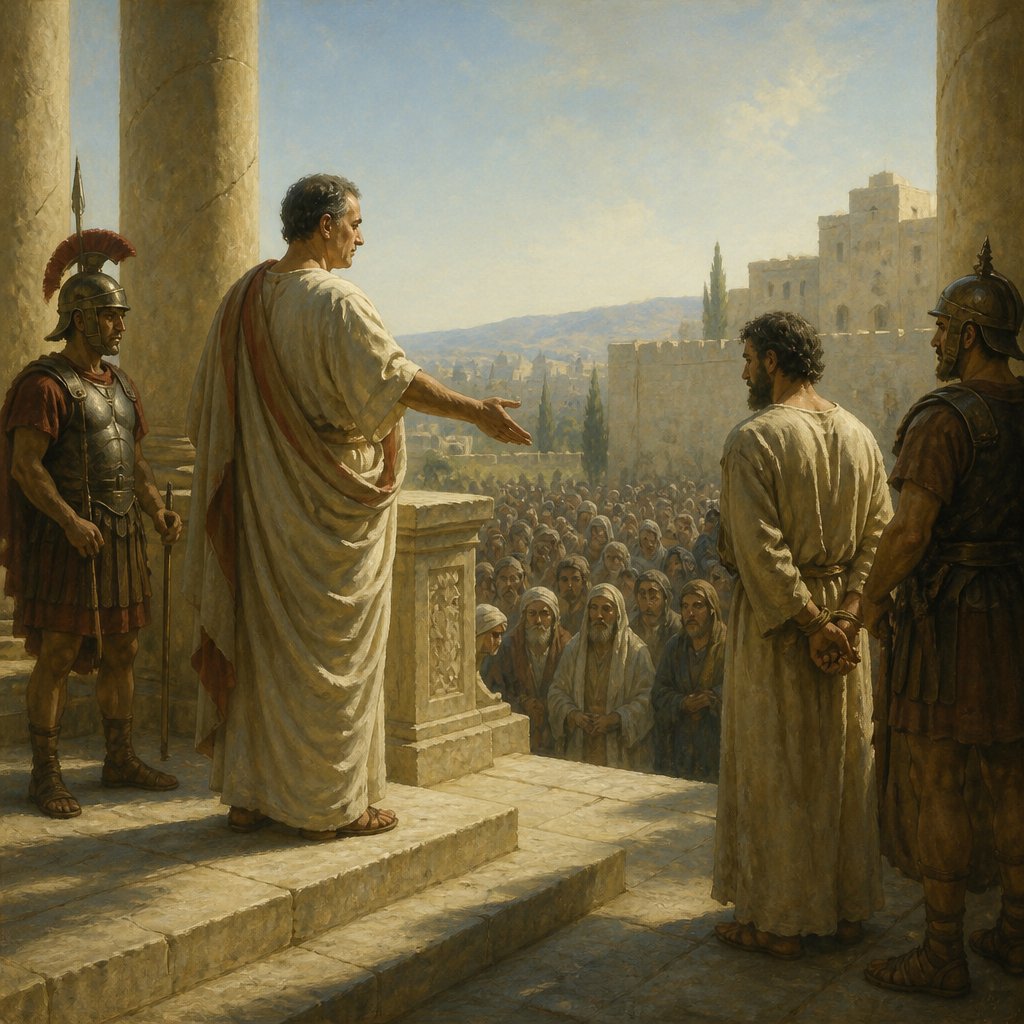
In Matthew 27:15, the King James Version (KJV) reads: "Now at that feast the governor was wont to release unto the people a prisoner, whom they would." This verse is part of the narrative of Jesus' trial and crucifixion, and it offers insight into the political and religious dynamics at play during this tumultuous time.
The context of this verse is significant. It takes place during the Jewish festival of Passover, a time of great religious and cultural significance for the Jewish people. The governor, Pontius Pilate, had the custom of releasing a prisoner to the people as a gesture of goodwill during this festival. This act of clemency was likely intended to placate the Jewish population, who were under Roman rule and often chafed under the oppressive government.
The fact that Pilate would choose to release a prisoner during this time speaks to the power dynamics at play. As the Roman governor, Pilate held the authority to release prisoners, and his decision would have been highly symbolic. It was an opportunity for him to demonstrate his authority and show mercy to the people, which could help maintain order and prevent unrest.
In a deeper sense, this verse also speaks to the themes of justice, mercy, and freedom. The act of releasing a prisoner was a display of mercy and compassion, allowing someone who had been condemned to go free. It was a tangible demonstration of the concept of forgiveness and redemption, reflecting the values espoused in the teachings of Jesus.
Symbolically, the prisoner who is released can be seen as a representation of humanity and our need for liberation from sin and the burdens of the past. In a Christian context, this act of clemency foreshadows the ultimate act of redemption and release offered through the sacrifice of Jesus on the cross. It serves as a reminder of the grace and forgiveness offered by God to all people, and the freedom that comes through faith in Christ.
This verse also raises questions about power and autonomy. While Pilate had the authority to release a prisoner, the people still had a role in the process. The fact that the governor was accustomed to releasing a prisoner "whom they would" suggests a level of popular influence over this decision. This dynamic speaks to the complex relationship between the ruling authority and the people they govern, and the ways in which public opinion and social custom can shape the exercise of power.
In considering the significance of this verse, it is important to recognize the broader narrative in which it is situated. The trial and crucifixion of Jesus are pivotal events in Christian theology, representing the fulfillment of prophecy and the atonement for sin. The act of releasing a prisoner serves as a poignant backdrop to the ultimate act of release and redemption offered through Christ's death and resurrection.
In conclusion, Matthew 27:15 offers a window into the political and religious context of Jesus' trial and crucifixion, while also touching on themes of justice, mercy, and freedom. It symbolizes the grace and forgiveness offered by God, and the ultimate liberation from sin and death that comes through faith in Christ. As such, it serves as a rich and multifaceted verse within the broader narrative of the Bible.
Get our apps


Artwork for Matthew 27:15

Matthew 27:15 - "Now at that feast the governor was wont to release unto the people a prisoner, whom they would."
"Now at that feast the governor was wont to release unto the people a prisoner, whom they would." - Matthew 27:15

Matthew 15:27 - "And she said, Truth, Lord: yet the dogs eat of the crumbs which fall from their masters' table."

matthew 15 matthew 15:10
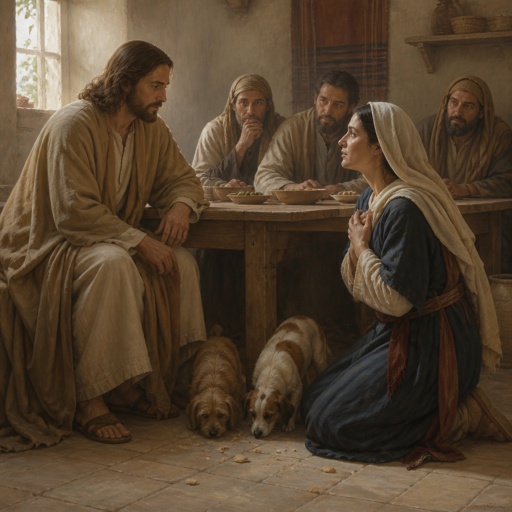
"And she said, Truth, Lord: yet the dogs eat of the crumbs which fall from their masters' table." - Matthew 15:27

Matthew 27:46

Matthew 27:35

Matthew 24:27

Matthew 27:26
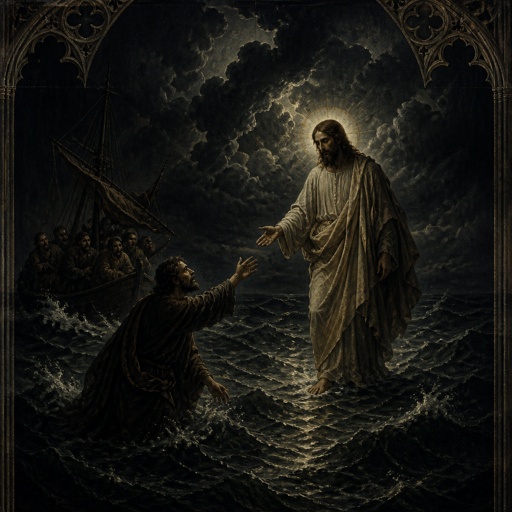
Matthew 14:27
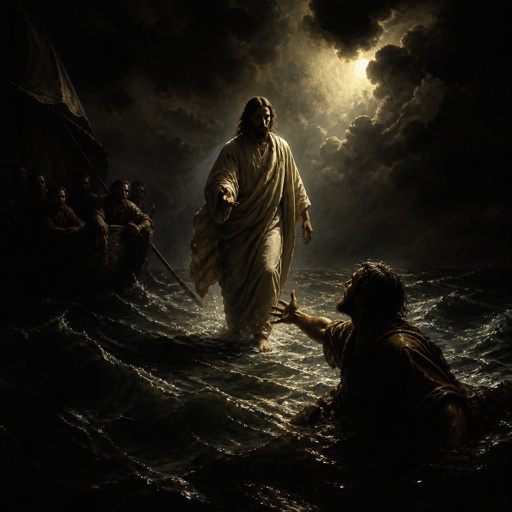
Matthew 14:27
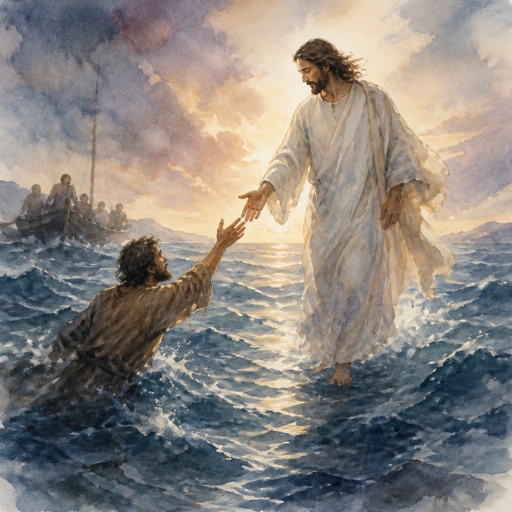
Matthew 14:27

Matthew 27:26

Matthew 27: 38

Matthew 27:27 - "Then the soldiers of the governor took Jesus into the common hall, and gathered unto him the whole band of soldiers."

Matthew 7:24-27

Matthew 27:36 - "And sitting down they watched him there;"

Matthew 27:16 - "And they had then a notable prisoner, called Barabbas."

Matthew 22:27 - "And last of all the woman died also."

Matthew 27:39 - "¶ And they that passed by reviled him, wagging their heads,"

Matthew 27:18 - "For he knew that for envy they had delivered him."

Matthew 27:28 - "And they stripped him, and put on him a scarlet robe."

Matthew 27:8 - "Wherefore that field was called, The field of blood, unto this day."

Matthew 27:10 - "And gave them for the potter's field, as the Lord appointed me."

Matthew 27:7 - "And they took counsel, and bought with them the potter's field, to bury strangers in."

Matthew 26:15

Matthew 26:15

Matthew 15:23

Matthew 24:15

Matthew 15:15 - "Then answered Peter and said unto him, Declare unto us this parable."