What does Matthew 27:25 mean?
“Then answered all the people, and said, His blood be on us, and on our children.” — Matthew 27:25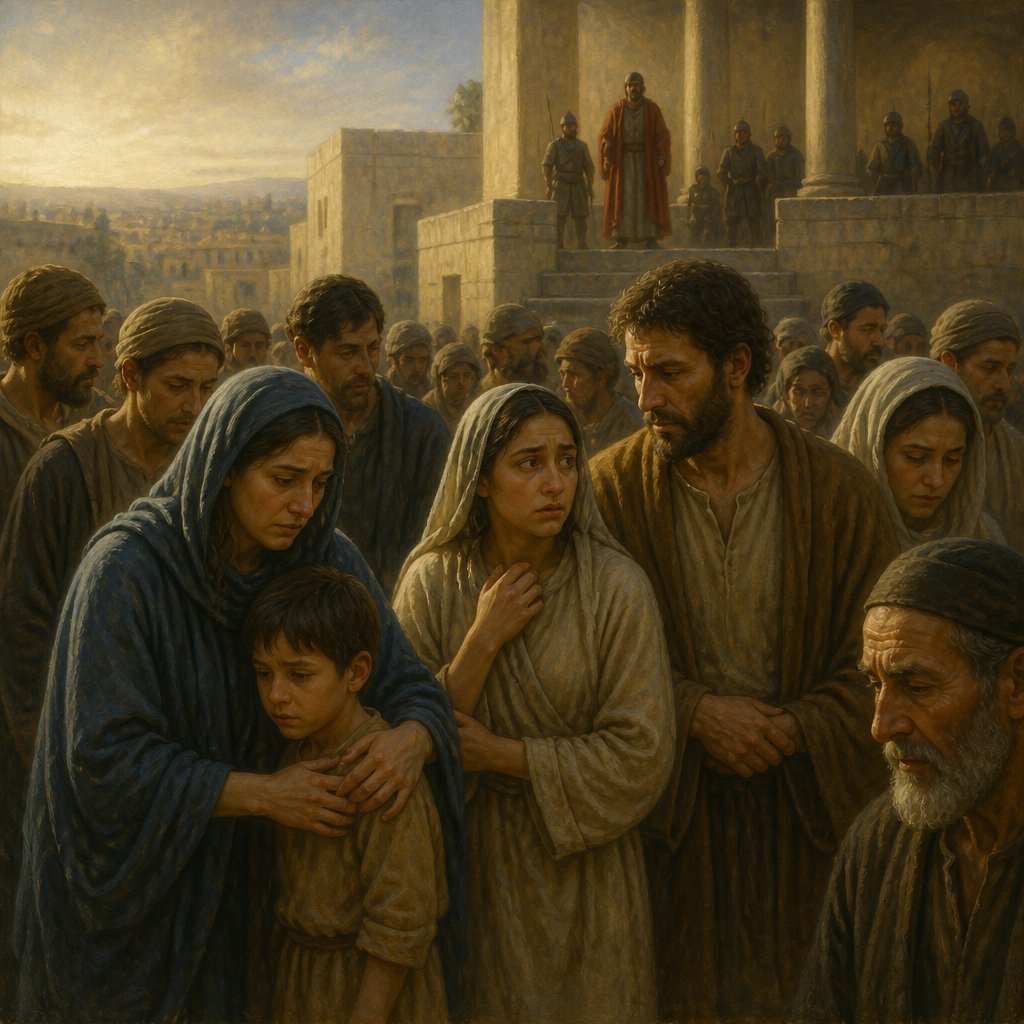
Matthew 27:25 in the King James Version (KJV) reads, "Then answered all the people, and said, His blood be on us, and on our children." This verse is a pivotal moment in the crucifixion narrative, and it has been the subject of much debate and controversy throughout history.
This verse comes at a crucial moment in the story of Jesus’ trial and crucifixion. Earlier in the chapter, Pontius Pilate, the Roman governor, is being pressured by the Jewish leaders to crucify Jesus. Pilate is reluctant to put an innocent man to death, but the religious leaders and the crowd insist that Jesus be crucified. Pilate washes his hands in front of the crowd, symbolically absolving himself of responsibility for Jesus’ death, and the people respond with the words in Matthew 27:25.
The phrase, “His blood be on us, and on our children,” has been used as a justification for anti-Semitism and violence against Jewish people throughout history. This verse has been misinterpreted and misused to blame the Jewish people as a collective for the death of Jesus. However, it is important to consider the historical and cultural context of the time in which this verse was written.
During the time of Jesus, the Jewish people were under Roman occupation and control. The religious and political leaders who orchestrated Jesus’ crucifixion did not represent the Jewish people as a whole. Furthermore, it is crucial to remember that Jesus and his disciples were Jewish, and Jesus himself was a devout Jew. The early Christian church also consisted of Jewish followers of Jesus. So, it is a misinterpretation and misapplication of this verse to use it to perpetuate anti-Semitic beliefs and actions.
In terms of symbolism and themes, this verse speaks to the idea of collective responsibility and the consequences of our actions. The people who speak these words are accepting responsibility for Jesus’ death, and they are willing to bear the consequences of their actions, even if that means their own guilt and shame. The phrase, "His blood be on us, and on our children," could be interpreted as a willingness to bear the guilt and consequences of their actions, perhaps in a sacrificial sense.
Additionally, this verse highlights the theme of forgiveness and redemption. Despite the people’s words of condemnation, Jesus’ death on the cross is ultimately an act of forgiveness and redemption for all humanity. The blood of Jesus, shed on the cross, is a symbol of atonement and reconciliation between God and humanity. Through his death, Jesus offers the possibility of forgiveness and new life to all who believe in him.
In conclusion, Matthew 27:25 is a complex and controversial verse that has been misused and misinterpreted throughout history. It is important to understand the historical and cultural context of this verse, and to approach it with sensitivity and understanding. It is crucial to recognize that the Jewish people as a whole cannot be held responsible for the death of Jesus, and that anti-Semitism has no place in the teachings of Jesus. Ultimately, this verse points to the themes of collective responsibility, forgiveness, and redemption that are central to the Christian faith.
Get our apps


Artwork for Matthew 27:25

Matthew 27:25 - "Then answered all the people, and said, His blood be on us, and on our children."
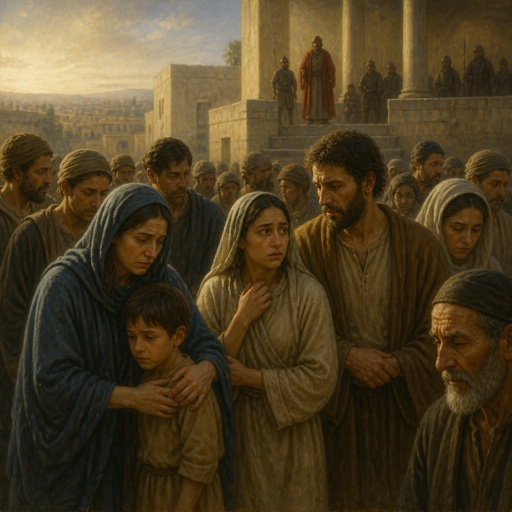
"Then answered all the people, and said, His blood be on us, and on our children." - Matthew 27:25

Matthew 25:27 - "Thou oughtest therefore to have put my money to the exchangers, and then at my coming I should have received mine own with usury."

Matthew 25:25

Matthew 25: 14-25

1 Corinthians 9:25-27

1 Corinthians 9:25-27

Genesis 25-27

1 Corinthians 9:25-27

1 Corinthians 9:25-27

Matthew 27:46

Matthew 27:35

Matthew 24:27

Matthew 27:26

John 19:25-27

John 19:25-27
Matthew 14:27
Matthew 14:27
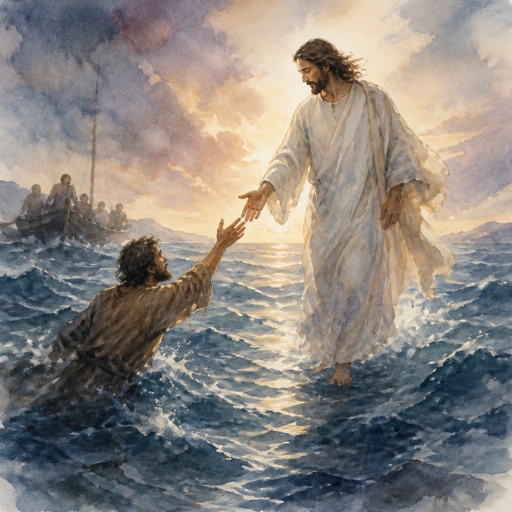
Matthew 14:27

Matthew 27:26

Matthew 27: 38

Matthew 26:25

Matthew 16:25

Matthew 25:21

Matthew 25:23

matthew 25:31

Matthew 25:21

Matthew 25:23

Matthew 21:25
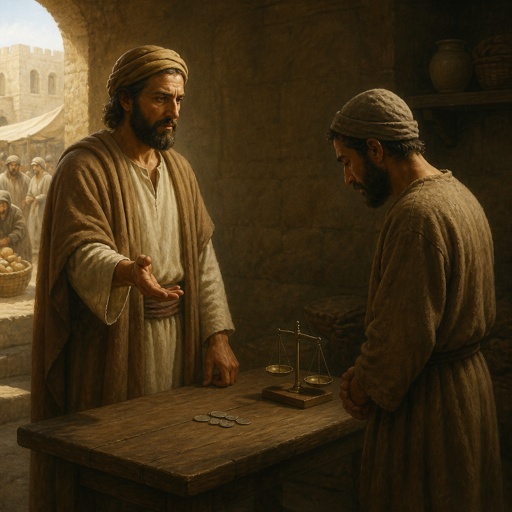
"Thou oughtest therefore to have put my money to the exchangers, and then at my coming I should have received mine own with usury." - Matthew 25:27