What does Matthew 2:5 mean?
"And they said unto him, In Bethlehem of Judaea: for thus it is written by the prophet," - Matthew 2:5
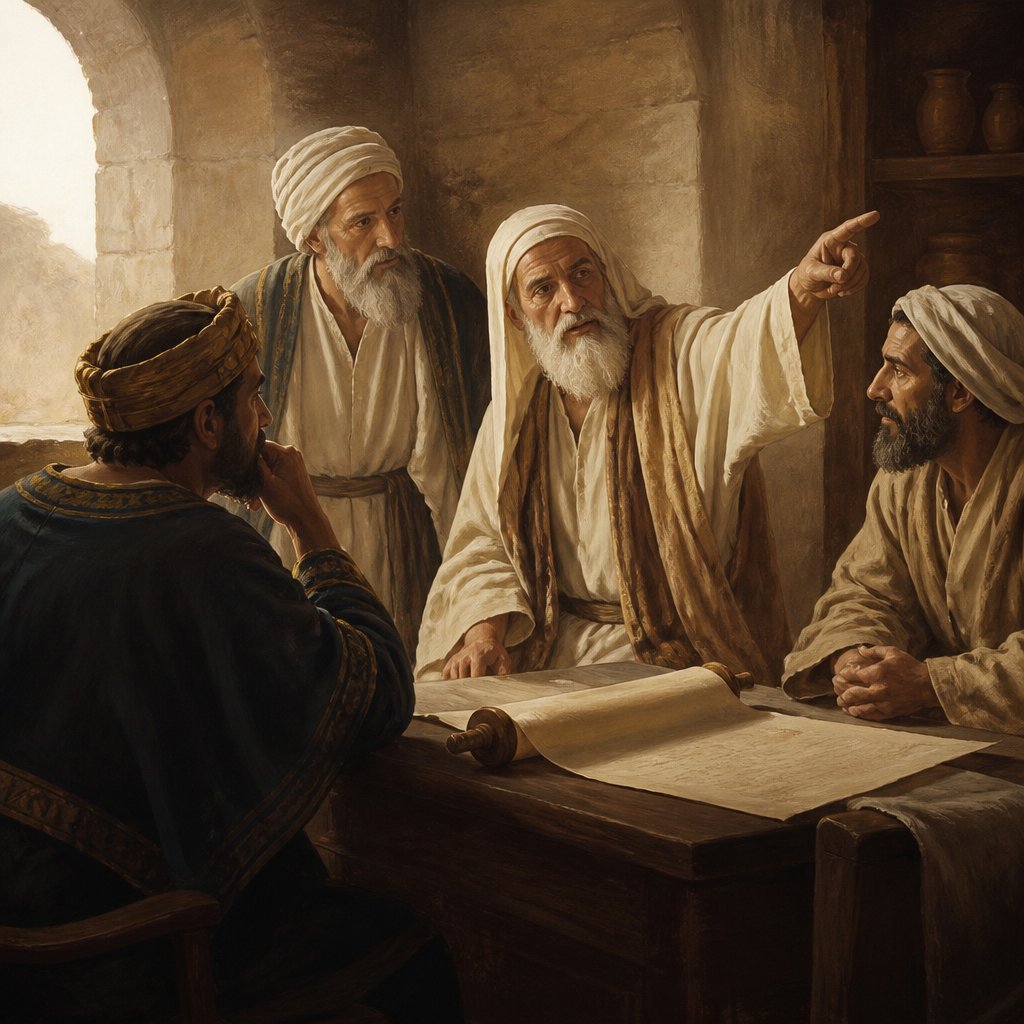
Matthew 2:5 (KJV) reads, "And they said unto him, In Bethlehem of Judaea: for thus it is written by the prophet." This verse is part of the story of the wise men who came from the East to find the newborn King of the Jews, as recorded in the Gospel of Matthew. The wise men had come to King Herod to inquire about the whereabouts of this newborn King, and Herod had asked the Jewish religious leaders where the Messiah was supposed to be born. This verse is the response of the chief priests and scribes to Herod's question.
The context of this verse is crucial to understanding its full meaning. The wise men, or magi, were likely scholars or astrologers from the East who had seen a sign in the heavens pointing to the birth of a significant king. They had come to Jerusalem, the capital city, to seek the new King of the Jews and pay Him homage. Their inquiry caused a stir in the city and troubled King Herod as well as all of Jerusalem (Matthew 2:3). Herod's response was to gather the chief priests and scribes of the people to inquire where the Christ was to be born (Matthew 2:4).
The chief priests and scribes were experts in the Hebrew Scriptures, so they knew exactly where the Messiah was prophesied to be born. Their response to Herod, as recorded in Matthew 2:5, quoted the prophecy of Micah 5:2, which foretold that the Messiah would be born in Bethlehem of Judaea. This verse is significant because it demonstrates that the birth of Jesus was not a random event but was prophesied and foretold long before His actual birth. The Old Testament prophecy of Micah 5:2 was fulfilled in the birth of Jesus in Bethlehem, confirming His identity as the long-awaited Messiah.
One of the key themes of this verse is the fulfillment of prophecy. Throughout the Gospel of Matthew, the author highlights various prophecies from the Old Testament that were fulfilled in the life and ministry of Jesus Christ. This verse underscores the idea that Jesus is the fulfillment of all the promises and prophecies of the Old Testament. His birth in Bethlehem, as foretold by the prophet Micah, is a powerful confirmation of His identity as the Messiah.
Another important theme in this verse is the recognition of Jesus as the King of the Jews. The wise men had come from the East to seek the one who was born King of the Jews (Matthew 2:2). The chief priests and scribes confirmed the wise men's inquiry by pointing to the prophecy of the Messiah's birth in Bethlehem. This recognition of Jesus as the King of the Jews foreshadows the central message of Matthew's Gospel, which is the proclamation of Jesus as the King of kings and Lord of lords.
The symbolism in this verse lies in the city of Bethlehem itself. Bethlehem, which means "house of bread," was a small and insignificant town in Judaea. Yet, it was the birthplace of the most significant figure in human history, Jesus Christ. The choice of Bethlehem as the birthplace of the Messiah is rich in symbolism, as Jesus later referred to Himself as the "bread of life" (John 6:35). The humble and lowly birth of Jesus in Bethlehem also highlights the paradox of His kingship, as He came not in earthly pomp and splendor but in humility and meekness.
In conclusion, Matthew 2:5 is a crucial verse in the Gospel of Matthew as it underscores the fulfillment of Old Testament prophecy in the birth of Jesus in Bethlehem. It also highlights the recognition of Jesus as the King of the Jews, setting the stage for the unfolding of His ministry and ultimate sacrifice for the salvation of humanity. The themes of prophecy, kingship, and humility, as well as the symbolism of Bethlehem, make this verse a profound and significant part of the biblical narrative.
Have questions about Matthew 2:5?
Dive deeper into this scripture with Bible Chat — an AI-powered tool for exploring God's Word through conversation. Ask questions, get context, and grow in your understanding of the Bible.
Get Our Apps


Matthew 2:5 Artwork

Matthew 2:5 - "And they said unto him, In Bethlehem of Judaea: for thus it is written by the prophet,"
"And they said unto him, In Bethlehem of Judaea: for thus it is written by the prophet," - Matthew 2:5

Matthew 5:2 - "And he opened his mouth, and taught them, saying,"
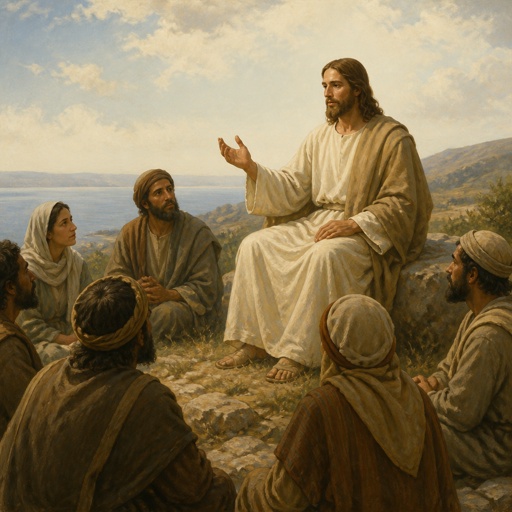
"And he opened his mouth, and taught them, saying," - Matthew 5:2

Matthew 5:5 - "Blessed are the meek: for they shall inherit the earth."

Matthew 5:44

Matthew 5:44

Matthew 5

Matthew 5

Matthew 5:44

Matthew 5:44

Matthew 5

Matthew 5:44

Matthew 5:44

Matthew 5:14

Matthew 5:44

Matthew 6:5

Matthew 5:14

Matthew 5:38

Matthew 5:30

Matthew 5:15

Matthew 5:15

Matthew 5:30

Matthew 5:38

Matthew 5:1 a 12

Matthew 5:8-12

matthew 5 13-20

"Blessed are the meek: for they shall inherit the earth." - Matthew 5:5

Matthew 5:1 a 12

Matthew 5:4 - "Blessed are they that mourn: for they shall be comforted."