What does Matthew 3:7 mean?
"¶ But when he saw many of the Pharisees and Sadducees come to his baptism, he said unto them, O generation of vipers, who hath warned you to flee from the wrath to come?" - Matthew 3:7
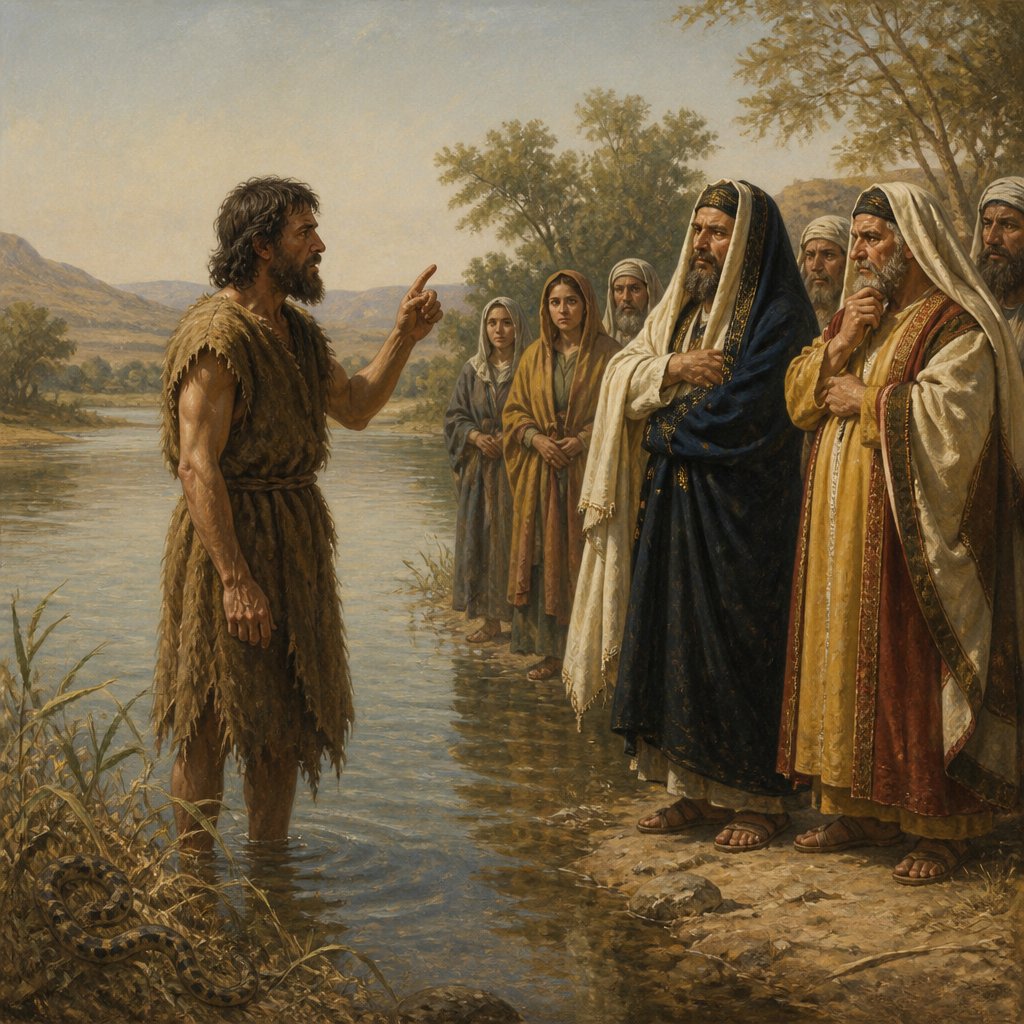
The verse Matthew 3:7 from the King James Version of the Bible reads: "But when he saw many of the Pharisees and Sadducees come to his baptism, he said unto them, O generation of vipers, who hath warned you to flee from the wrath to come?" This verse is spoken by John the Baptist and is part of a larger passage in which John is rebuking the religious leaders who have come to his baptism, warning them of their need for true repentance.
To understand the full meaning and commentary of this verse, it is important to first consider the context in which it is spoken. John the Baptist was a prophetic figure who came before Jesus Christ to prepare the way for His ministry. He preached a message of repentance and baptism for the forgiveness of sins, urging people to turn away from their sinful ways and turn to God. John's message was often directed at the religious leaders of his time, whom he saw as being hypocritical and self-righteous.
In the verse in question, John addresses the Pharisees and Sadducees, two prominent Jewish sects known for their strict adherence to religious laws and their positions of authority within the Jewish community. By referring to them as a "generation of vipers," John is using strong language to condemn their behavior and attitudes. The imagery of vipers, or snakes, is often associated with deceit and danger in the Bible, emphasizing the seriousness of John's warning to these religious leaders.
John's question, "who hath warned you to flee from the wrath to come?" serves as a rhetorical challenge to the Pharisees and Sadducees. John is essentially questioning their motives for coming to his baptism. He does not believe that they have genuinely repented of their sins or have a sincere desire to escape the judgment to come. Instead, he sees them as seeking to participate in the outward act of baptism without truly embracing the inner transformation that it represents.
The themes present in this verse are numerous and significant. First and foremost, the verse emphasizes the importance of genuine repentance and a sincere heart in seeking forgiveness from God. John's harsh words to the Pharisees and Sadducees serve as a reminder that outward acts of religion or ritual are not enough to truly please God; one must also have a humble and contrite heart. This message is in line with the broader teachings of Jesus, who also emphasized the importance of inward righteousness over outward displays of religion.
Additionally, this verse speaks to the theme of judgment and the consequences of unrepentant sin. John warns the religious leaders of the "wrath to come," a reference to the impending judgment of God. This serves as a sobering reminder that all people, regardless of their status or religious affiliation, will be held accountable for their actions before God. The imagery of vipers also underscores the seriousness of the situation, painting a vivid picture of the danger of living in hypocrisy and deceit.
In terms of symbolism, the figure of John the Baptist represents a voice crying out in the wilderness, calling people to repentance and preparing the way for the coming of Christ. His bold confrontation of the religious leaders underscores the prophetic tradition of speaking truth to power and challenging institutional hypocrisy. The imagery of baptism in this verse symbolizes the cleansing and renewal that comes from true repentance, as well as the promise of forgiveness and reconciliation with God.
Overall, Matthew 3:7 in the King James Version of the Bible carries a weighty message about the importance of genuine repentance, the danger of hypocrisy, and the inevitability of God's judgment. It serves as a powerful reminder that religious rituals and outward displays of piety are not enough to truly please God, and that a sincere and humble heart is necessary for a genuine relationship with Him. The verse also emphasizes the universal need for repentance and the promise of forgiveness and reconciliation for those who seek it sincerely.
Have questions about Matthew 3:7?
Dive deeper into this scripture with Bible Chat — an AI-powered tool for exploring God's Word through conversation. Ask questions, get context, and grow in your understanding of the Bible.
Get Our Apps


Matthew 3:7 Artwork

Matthew 3:7 - "¶ But when he saw many of the Pharisees and Sadducees come to his baptism, he said unto them, O generation of vipers, who hath warned you to flee from the wrath to come?"
"¶ But when he saw many of the Pharisees and Sadducees come to his baptism, he said unto them, O generation of vipers, who hath warned you to flee from the wrath to come?" - Matthew 3:7

Matthew 7:3 - "And why beholdest thou the mote that is in thy brother's eye, but considerest not the beam that is in thine own eye?"

Matthew 7:3 And why do you look at the speck in your brother’s eye, but do not consider the plank in your own eye?
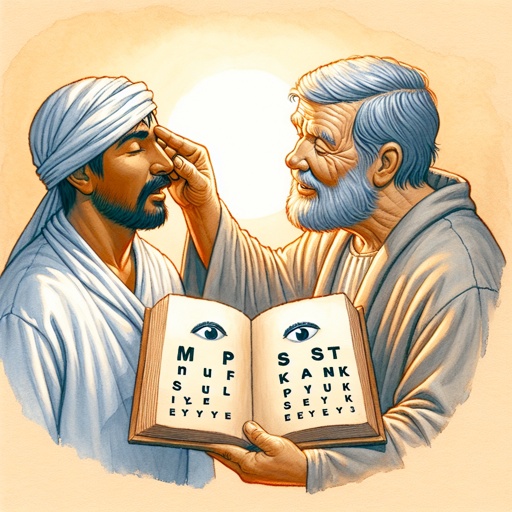
Matthew 7:3 And why do you look at the speck in your brother’s eye, but do not consider the plank in your own eye?

Matthew 7:3 And why do you look at the speck in your brother’s eye, but do not consider the plank in your own eye?

Matthew 7:7
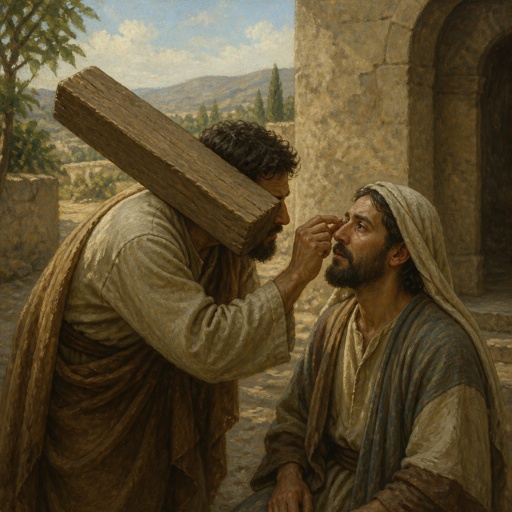
"And why beholdest thou the mote that is in thy brother's eye, but considerest not the beam that is in thine own eye?" - Matthew 7:3

Matthew 7:13-14

Matthew 7:13-14

Matthew 7:13-14

Matthew 7:13-14

Matthew 7:13-14

Matthew 7:13-14

Matthew 7:13-14

Matthew 7:13-14

Matthew 7:13-14

Matthew 7:13-14

Matthew 7:13-14

Matthew 3:11

Matthew 3:16

Matthew 3:11

Matthew 3:11

Matthew 3:11

Matthew 3:11

Matthew 3:16

Matthew 3:16

Matthew 3:11

Matthew 7:13

Matthew 7:12