What does Matthew 3:1 mean?
“In those days came John the Baptist, preaching in the wilderness of Judaea,” — Matthew 3:1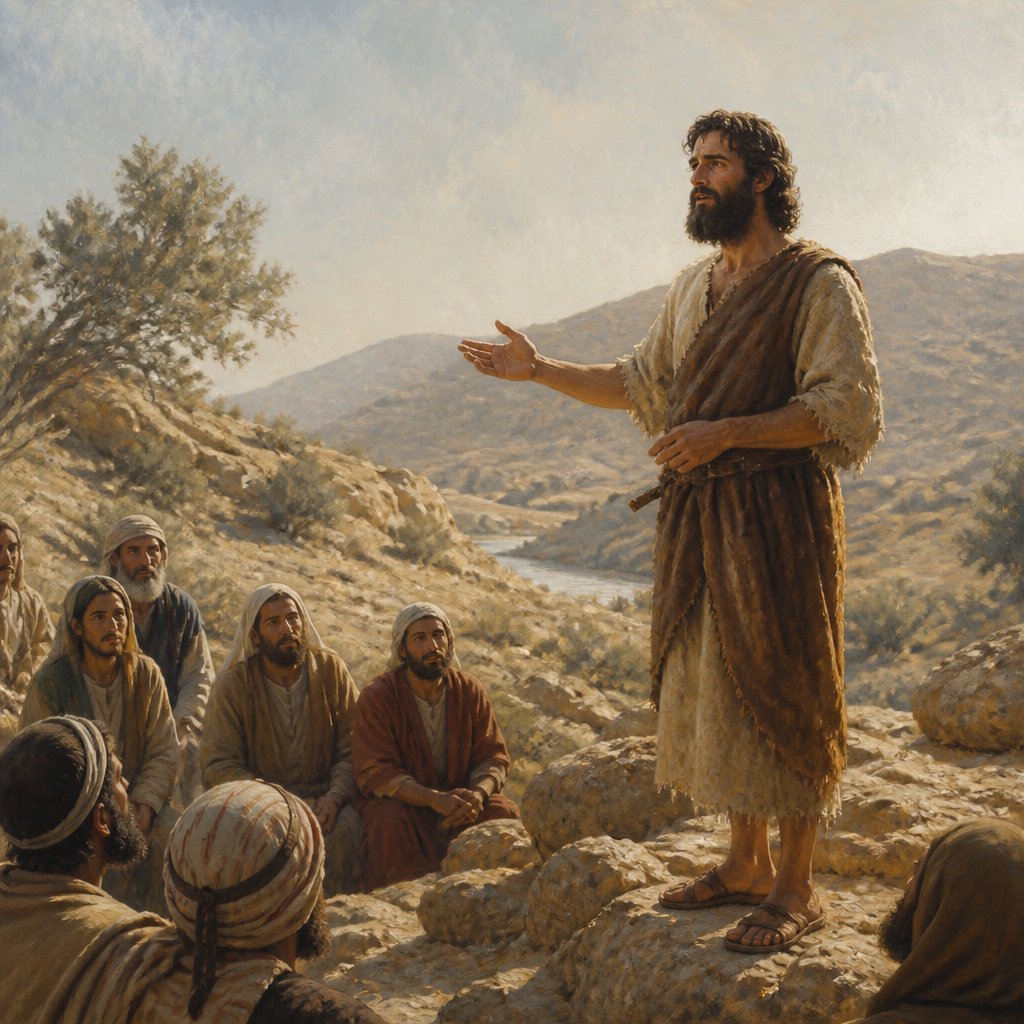
Matthew 3:1 in the King James Version of the Bible reads: "In those days came John the Baptist, preaching in the wilderness of Judea."
This verse marks the beginning of the ministry of John the Baptist, who is often referred to as the forerunner of Jesus Christ. John preached in the wilderness of Judea, which was a barren and desolate region. This location is significant as it emphasizes the solitude and humility of John and sets the stage for his message of repentance and preparation for the coming of the Messiah.
The verse "In those days came John the Baptist" indicates that John's ministry was timely and well-placed in the context of God's plan for salvation. It was a signal to the Jews, who were waiting for the fulfillment of prophecies regarding the arrival of the Messiah. John's appearance and preaching were a significant event in the history of salvation and played a crucial role in preparing the way for Jesus' public ministry.
The mention of John preaching in the wilderness of Judea also serves as a reminder of the historical and spiritual significance of the wilderness in the Bible. Throughout the Old Testament, the wilderness is a place of testing, purification, and encounter with God. The Israelites wandered in the wilderness for 40 years, during which they were tested and refined before entering the Promised Land. Similarly, John's preaching in the wilderness signifies a call to repentance and spiritual purification, as he prepared the people for the arrival of the long-awaited Savior.
The ministry of John the Baptist was characterized by his call for repentance and baptism for the forgiveness of sins. His message was a powerful reminder of the need for spiritual renewal and transformation in anticipation of the coming Kingdom of God. John's emphasis on repentance underscores the fundamental human need for turning away from sin and returning to God. His baptism was a symbol of cleansing and renewal, a ritual that prepared the people for the Messiah's arrival.
The verse also reflects the theme of humility and self-denial, which is exemplified in John's choice to preach in the wilderness rather than in the cities. By distancing himself from the centers of power and influence, John demonstrated a commitment to a simple and austere lifestyle, free from the trappings of worldly success. His message and his way of life were a stark contrast to the values of the society around him, and they challenged people to reevaluate their priorities and allegiances.
Furthermore, the wilderness setting symbolizes a return to the essential and foundational aspects of faith. It represents a departure from the distractions and comforts of civilization, a stripping away of superficialities, and a deeper encounter with God. In the wilderness, one is confronted with their own vulnerabilities and dependence on God, and it becomes a place for spiritual reckoning and renewal.
In conclusion, Matthew 3:1 marks the beginning of John the Baptist's ministry, which was a pivotal moment in the history of salvation. John's preaching in the wilderness of Judea carries deep spiritual and symbolic significance, emphasizing the themes of preparation, repentance, humility, and spiritual renewal. The verse serves as a powerful call to reevaluate our lives, turn away from sin, and prepare our hearts for the coming of the Messiah. It invites us to embrace a wilderness mentality, seeking a deeper encounter with God and a reorientation of our priorities.
Get our apps


Artwork for Matthew 3:1

Matthew 3:1 - "In those days came John the Baptist, preaching in the wilderness of Judaea,"
"In those days came John the Baptist, preaching in the wilderness of Judaea," - Matthew 3:1

Matthew 11:3

Matthew 1:3 - "And Judas begat Phares and Zara of Thamar; and Phares begat Esrom; and Esrom begat Aram;"

Matthew 3:11

Matthew 3:16

Matthew 3:11

Matthew 3:11

Matthew 3:11

Matthew 3:11

Matthew 3:16

Matthew 3:16

Matthew 3:11

Matthew 3:11-12

Matthew 3:11-12

Matthew 3:12

Matthew 3:12

Matthew 3:11

Matthew 3:11

Matthew 3:11

matthew 20:3

Matthew 3:12

Matthew 10:3 - "Philip, and Bartholomew; Thomas, and Matthew the publican; James the son of Alphaeus, and Lebbaeus, whose surname was Thaddaeus;"

Matthew 3:13-17

Matthew 2:3-4

Matthew 2:3-4

Matthew 2:3-4

Matthew 2:3-4
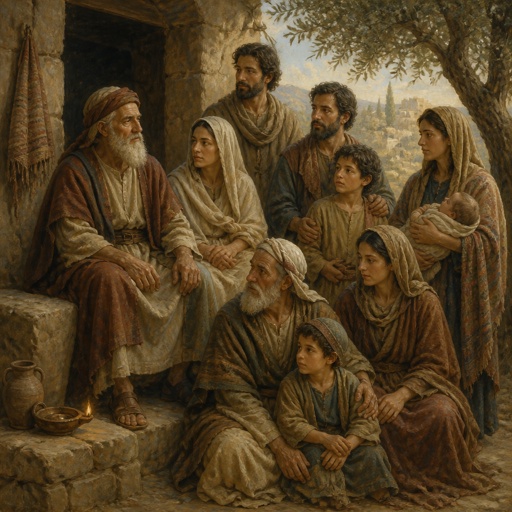
"And Judas begat Phares and Zara of Thamar; and Phares begat Esrom; and Esrom begat Aram;" - Matthew 1:3

Matthew 3:2 - "And saying, Repent ye: for the kingdom of heaven is at hand."