What does Matthew 4:13 mean?
"And leaving Nazareth, he came and dwelt in Capernaum, which is upon the sea coast, in the borders of Zabulon and Nephthalim:" - Matthew 4:13
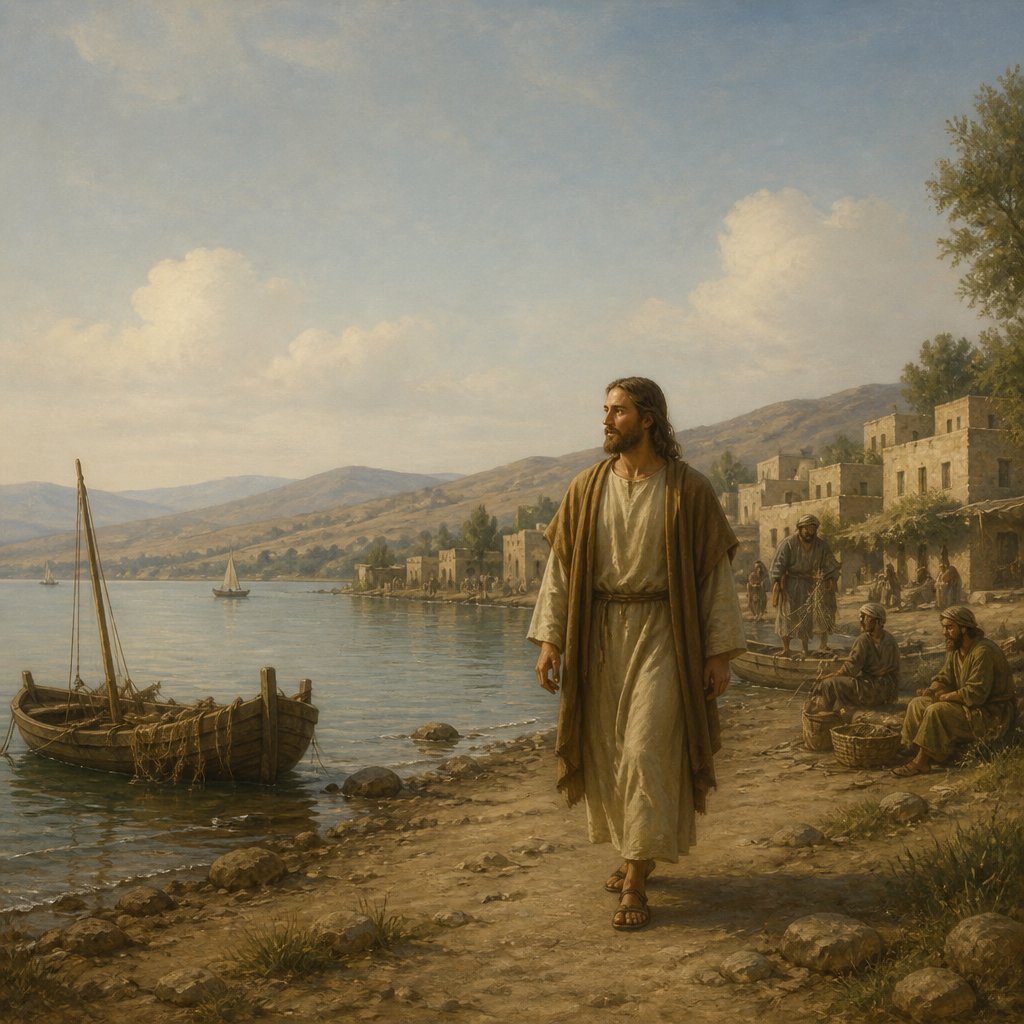
Matthew 4:13 (KJV) states, "And leaving Nazareth, he came and dwelt in Capernaum, which is upon the sea coast, in the borders of Zabulon and Nephthalim."
This verse comes from the New Testament of the Bible and is part of the narrative of Jesus' early ministry. In this verse, we see Jesus leaving his hometown of Nazareth and moving to Capernaum, a city located on the northern shore of the Sea of Galilee. This move fulfills a prophecy from the Old Testament, specifically Isaiah 9:1-2, which states, "The people who walked in darkness have seen a great light; those who dwelt in the land of the shadow of death, upon them a light has shined."
The move from Nazareth to Capernaum holds significance for several reasons. First, it marks a shift in Jesus' ministry. Nazareth was a small, rural town, while Capernaum was a larger, more diverse city. By moving to Capernaum, Jesus expanded the reach of his message and was better positioned to reach a greater number of people. This relocation underscores the universal nature of Jesus' teachings and the inclusivity of his ministry.
The move also carries historical and cultural significance. Capernaum was located in the region of Zebulun and Naphtali, which were two of the twelve tribes of Israel. By settling in this area, Jesus is seen as fulfilling the prophecies of the Old Testament and establishing his connection to the heritage and history of the Jewish people. This relocation serves as a reminder of the continuity between the Old Testament and the New Testament and serves to further legitimize Jesus' claim as the long-awaited Messiah.
Additionally, the geographical location of Capernaum holds symbolic importance. Situated on the northern shore of the Sea of Galilee, Capernaum was a hub of trade and commerce, as well as a melting pot of different cultures and ethnicities. By setting up his ministry in such a diverse and bustling area, Jesus demonstrates his message's relevance to people of all backgrounds. This move emphasizes the universality of Jesus' teachings and his desire to reach all people, regardless of their social status or cultural identity.
Ultimately, the relocation from Nazareth to Capernaum reflects Jesus' mission to bring light and hope to those living in spiritual darkness. It symbolizes the expansion of his ministry, the fulfillment of Old Testament prophecies, and the inclusivity of his message. It is a powerful reminder of Jesus' commitment to reaching and saving all people, and it serves as a prelude to the profound impact he would have on the world. This verse, therefore, carries deep theological and historical significance and provides valuable insights into Jesus' early ministry and the broader themes of the Gospel.
Have questions about Matthew 4:13?
Dive deeper into this scripture with Bible Chat — an AI-powered tool for exploring God's Word through conversation. Ask questions, get context, and grow in your understanding of the Bible.
Get Our Apps


Matthew 4:13 Artwork

Matthew 4:13 - "And leaving Nazareth, he came and dwelt in Capernaum, which is upon the sea coast, in the borders of Zabulon and Nephthalim:"
"And leaving Nazareth, he came and dwelt in Capernaum, which is upon the sea coast, in the borders of Zabulon and Nephthalim:" - Matthew 4:13

Matthew 13:4 - "And when he sowed, some seeds fell by the way side, and the fowls came and devoured them up:"

Matthew 13

Matthew 8:13

Matthew 8:13

Matthew 8:13

Matthew 13

Matthew 7:13-14

Matthew 7:13-14

Matthew 7:13-14

Matthew 7:13-14

Matthew 7:13-14

Matthew 7:13-14

Matthew 7:13-14

Matthew 7:13-14

Matthew 7:13-14

Matthew 7:13-14

Matthew 7:13-14

Matthew 7:13

Matthew 2:13
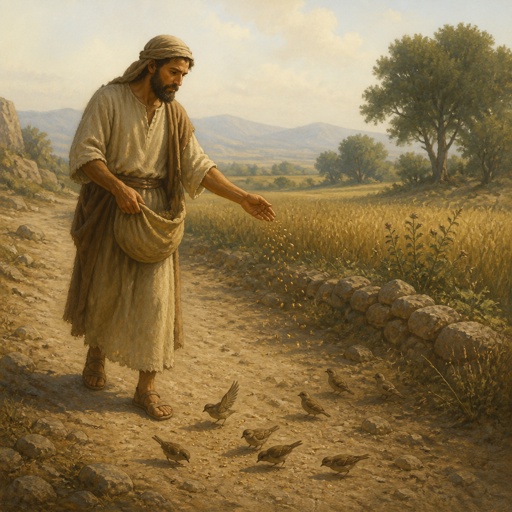
"And when he sowed, some seeds fell by the way side, and the fowls came and devoured them up:" - Matthew 13:4

Matthew 13:8

Matthew 6:13

Matthew 2:13

Matthew 19:13

Matthew 7:13-14

Matthew 7:13-14

Matthew 7:13-14

Matthew 7:13-14