What does Matthew 4:7 mean?
“Jesus said unto him, It is written again, Thou shalt not tempt the Lord thy God.” — Matthew 4:7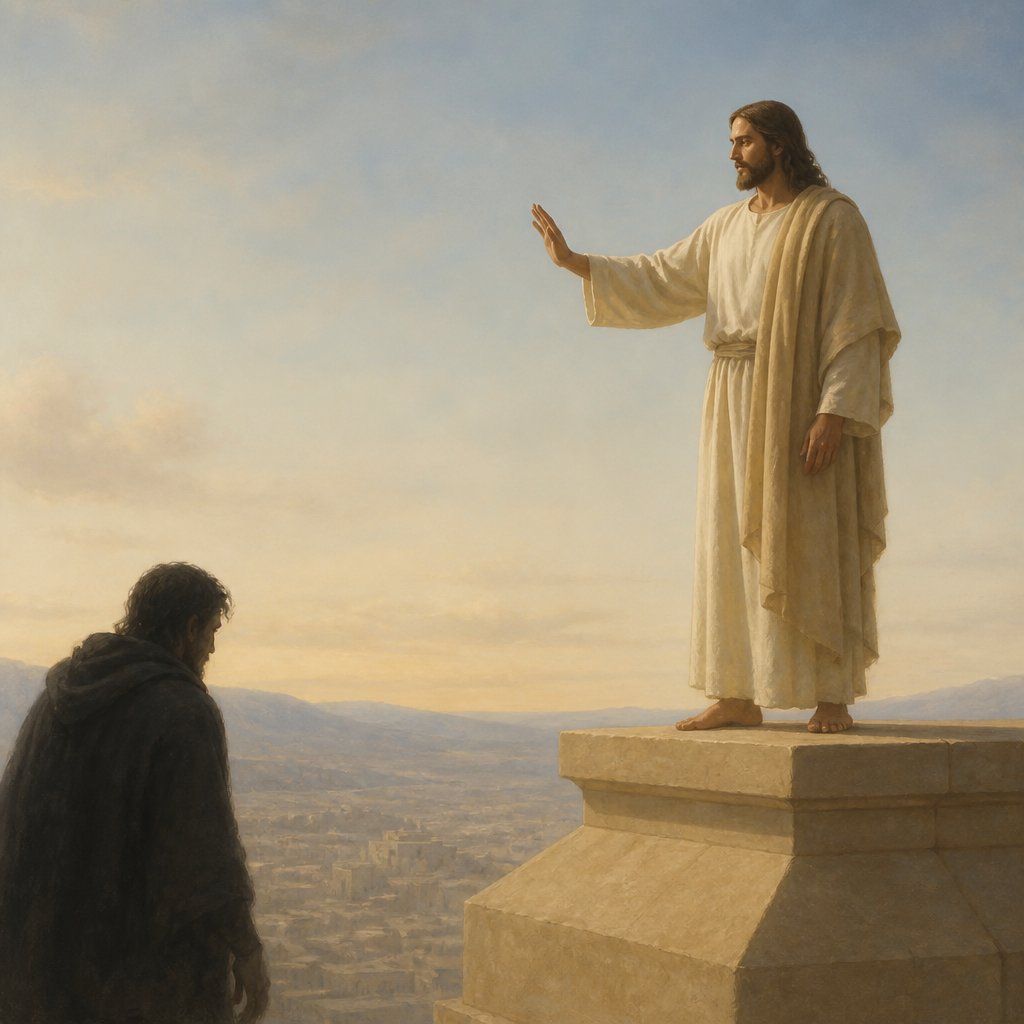
"Jesus said unto him, It is written again, Thou shalt not tempt the Lord thy God."
In this verse from the Gospel of Matthew, we see Jesus responding to a temptation from Satan. Jesus has been fasting in the wilderness for 40 days and 40 nights when the devil comes to him and tests his faith. The devil first suggests that Jesus turn stones into bread to satisfy his hunger, but Jesus responds by quoting scripture. Then the devil takes him to the highest point of the temple and tells him to throw himself down, saying that the angels will save him. Again, Jesus quotes scripture in response, using the verse from Deuteronomy 6:16 "Thou shalt not tempt the Lord thy God."
The theme of this verse is about trust and fidelity to God's will. Jesus is teaching us that we should not test or challenge God's power or plans for us. We should trust in his provision and protection without trying to force or manipulate outcomes. This verse also teaches us about the importance of obedience to God's word and serving him faithfully.
The context of this verse is important in understanding its significance. Jesus has just been baptized by John the Baptist and has received the Holy Spirit. He is preparing for his ministry and is being tested by the devil before he begins his public work. This verse exemplifies Jesus' unwavering commitment to God and his resistance to the temptations of the prince of darkness. It also serves as a model for us to follow and reminds us that we can overcome temptation by relying on the word of God.
There is a deeper symbolism in this verse as well. The temptation of Jesus in the wilderness mirrors the temptation of Adam and Eve in the Garden of Eden. In both cases, the devil seeks to undermine God's authority and lead humanity astray. But while Adam and Eve succumbed to temptation, Jesus remains faithful and obedient to God. He is the perfect example of how we should respond to the trials and tests we face in life.
The verse also speaks to the nature of God and his relationship with humanity. It reminds us that God is not to be put to the test or questioned in his sovereignty. We are called to trust in his wisdom and providence, even when we are faced with challenges and uncertainties. This verse serves as a reminder that we should not try to manipulate or control God, but rather submit to his will and trust in his goodness.
In conclusion, Matthew 4:7 is a powerful reminder of the importance of trusting in God and obeying his word. It teaches us to resist the temptation to test God's power and instead rely on his faithfulness and provision. The verse also serves as a model for how we should respond to the trials and temptations we face in life. By following Jesus' example, we can overcome temptation and remain faithful to God's will.
Get our apps


Artwork for Matthew 4:7

Matthew 4:7 - "Jesus said unto him, It is written again, Thou shalt not tempt the Lord thy God."

Matthew 4:7… Jesus responded the scriptures also say you must not test the Lord your God
"Jesus said unto him, It is written again, Thou shalt not tempt the Lord thy God." - Matthew 4:7

Matthew 21:21 Philippians 4:6-7 Ephesians 6:10-18 Put the words on the photo

Matthew 21:21 Philippians 4:6-7 Ephesians 6:10-18

Matthew 7:4 - "Or how wilt thou say to thy brother, Let me pull out the mote out of thine eye; and, behold, a beam is in thine own eye?"

Matthew 7:7

Matthew 7:13-14

Matthew 7:13-14

Matthew 7:13-14

Matthew 7:13-14

Matthew 7:13-14

Matthew 7:13-14

Matthew 7:13-14

Matthew 7:13-14

Matthew 7:13-14

Matthew 7:13-14

Matthew 7:13-14

Matthew 7:13

Matthew 7:12

Matthew 7:12

matthew 7:23
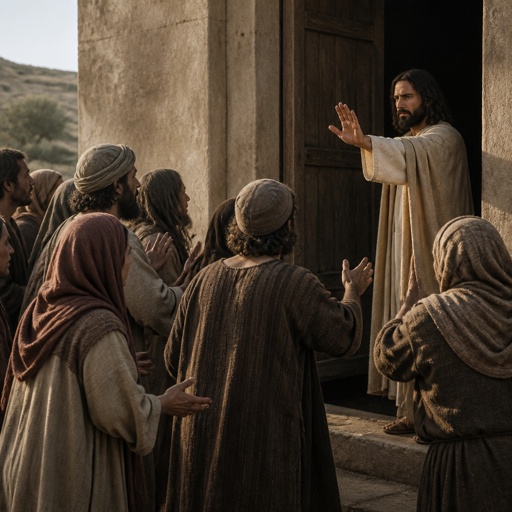
Matthew 7:21-23

Matthew 7:13-14

Matthew 7:13-14

Matthew 7:13-14

Matthew 7:13-14

Matthew 7:13-14

Matthew 7:13-14

Matthew 7:13-14