What does Matthew 5:17 mean?
"¶ Think not that I am come to destroy the law, or the prophets: I am not come to destroy, but to fulfil." - Matthew 5:17
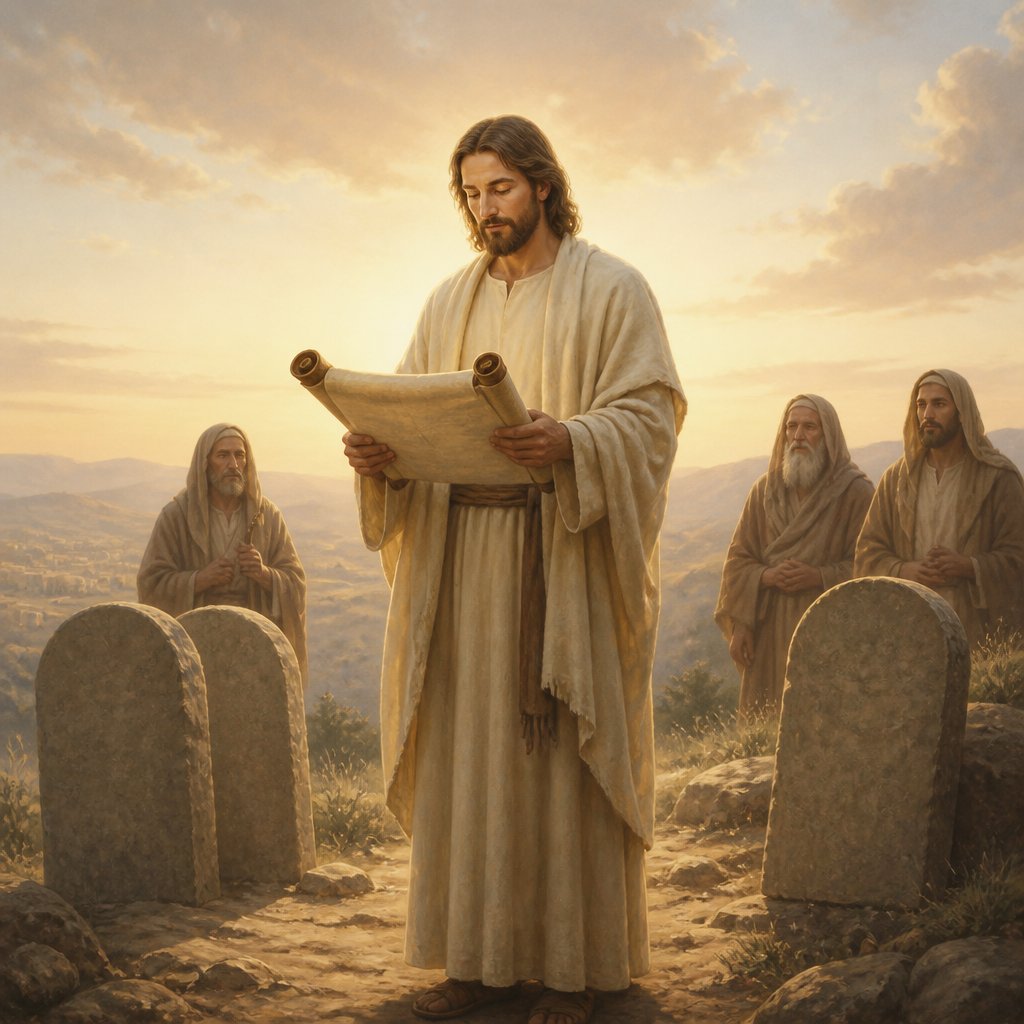
Matthew 5:17 in the King James Version (KJV) of the Bible reads, "Think not that I am come to destroy the law, or the prophets: I am not come to destroy, but to fulfill." This verse is a part of the famous Sermon on the Mount, in which Jesus delivers some of his most important teachings to his disciples and the crowds.
The context of this verse is crucial to understanding its significance. In the preceding verses, Jesus has just given the Beatitudes, a series of blessings for those who exhibit certain virtues. The Sermon on the Mount is considered one of the most important and foundational teachings of Jesus and encompasses several themes that are central to Christian doctrine, including morality, righteousness, and the kingdom of God.
In Matthew 5:17, Jesus makes it clear that he did not come to abolish the law or the prophets, but to fulfill them. This statement is significant because it establishes the continuity between Jesus' teachings and the Jewish tradition that came before him. At the time, there were those who believed that Jesus had come to overturn or disregard the teachings of the Old Testament, but here Jesus explicitly states that this is not the case.
This verse also points to the larger theme of fulfillment and continuity that runs through the Gospel of Matthew. Throughout the book, the author emphasizes how Jesus is the fulfillment of Old Testament prophecies and promises. For example, Matthew frequently points out how Jesus' actions and teachings fulfill specific Old Testament scriptures. In this way, Jesus is presented as the long-awaited Messiah who brings completion and fulfillment to the Jewish scriptures.
To understand the significance of this verse, it is important to consider the cultural and religious context in which it was spoken. During Jesus' time, the Jewish people had a deep reverence for the law and the teachings of the prophets. The law, as given to Moses, was considered the foundation of Jewish identity and morality. The prophets, on the other hand, were seen as messengers of God, delivering His word to the people. By affirming the importance of the law and the prophets, Jesus is speaking directly to the beliefs and values of his audience.
The symbolism in this verse is also worth exploring. In saying that he came to fulfill the law and the prophets, Jesus is positioning himself as the culmination of God's redemptive plan for humanity. He is asserting his authority as the one who brings the ultimate meaning and purpose to the Jewish scriptures. This statement also sets the stage for the rest of Jesus' teachings in the Sermon on the Mount, as he goes on to reinterpret and expand upon the moral and ethical principles found in the Old Testament.
Overall, Matthew 5:17 is a crucial verse in understanding Jesus' relationship to the Old Testament and the continuity between his teachings and the traditional Jewish scriptures. By affirming the importance of the law and the prophets, Jesus establishes the foundation for his own teachings and underscores the deep connection between the Old Testament and the New Testament. In doing so, he presents himself as the fulfillment of God's promises and the ultimate authority on matters of faith and morality.
Have questions about Matthew 5:17?
Dive deeper into this scripture with Bible Chat — an AI-powered tool for exploring God's Word through conversation. Ask questions, get context, and grow in your understanding of the Bible.
Get Our Apps


Matthew 5:17 Artwork

Matthew 5:17 - "¶ Think not that I am come to destroy the law, or the prophets: I am not come to destroy, but to fulfil."
"¶ Think not that I am come to destroy the law, or the prophets: I am not come to destroy, but to fulfil." - Matthew 5:17
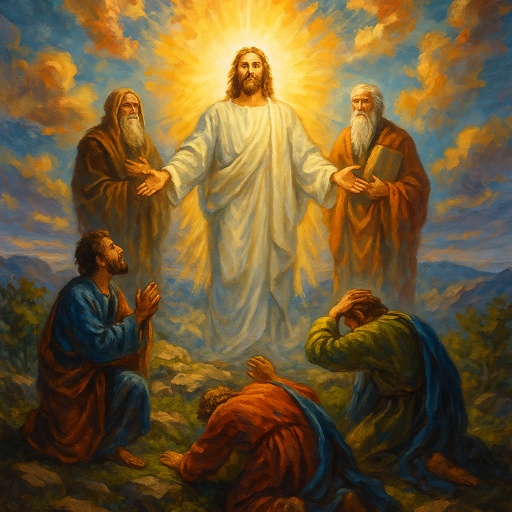
"While he yet spake, behold, a bright cloud overshadowed them: and behold a voice out of the cloud, which said, This is my beloved Son, in whom I am well pleased; hear ye him." - Matthew 17:5

Matthew 17:17-18

Matthew 17:17-18

Matthew 17:5 - "While he yet spake, behold, a bright cloud overshadowed them: and behold a voice out of the cloud, which said, This is my beloved Son, in whom I am well pleased; hear ye him."

Matthew 6:17

Matthew 17:20

Matthew 17:20

Matthew 5:5 - "Blessed are the meek: for they shall inherit the earth."

Matthew 5:44

Matthew 5:44

Matthew 5

Matthew 5

Matthew 19:16-17

Matthew 6:17-18

Matthew 17:14-21

Matthew 17:14-15

Matthew 3:13-17

Matthew 5:44

Matthew 5:44

Matthew 5

Matthew 5:44

Matthew 5:44

Matthew 5:14

Matthew 5:44

Matthew 5:38

Matthew 6:5

Matthew 5:14

Matthew 2:17 - "Then was fulfilled that which was spoken by Jeremy the prophet, saying,"