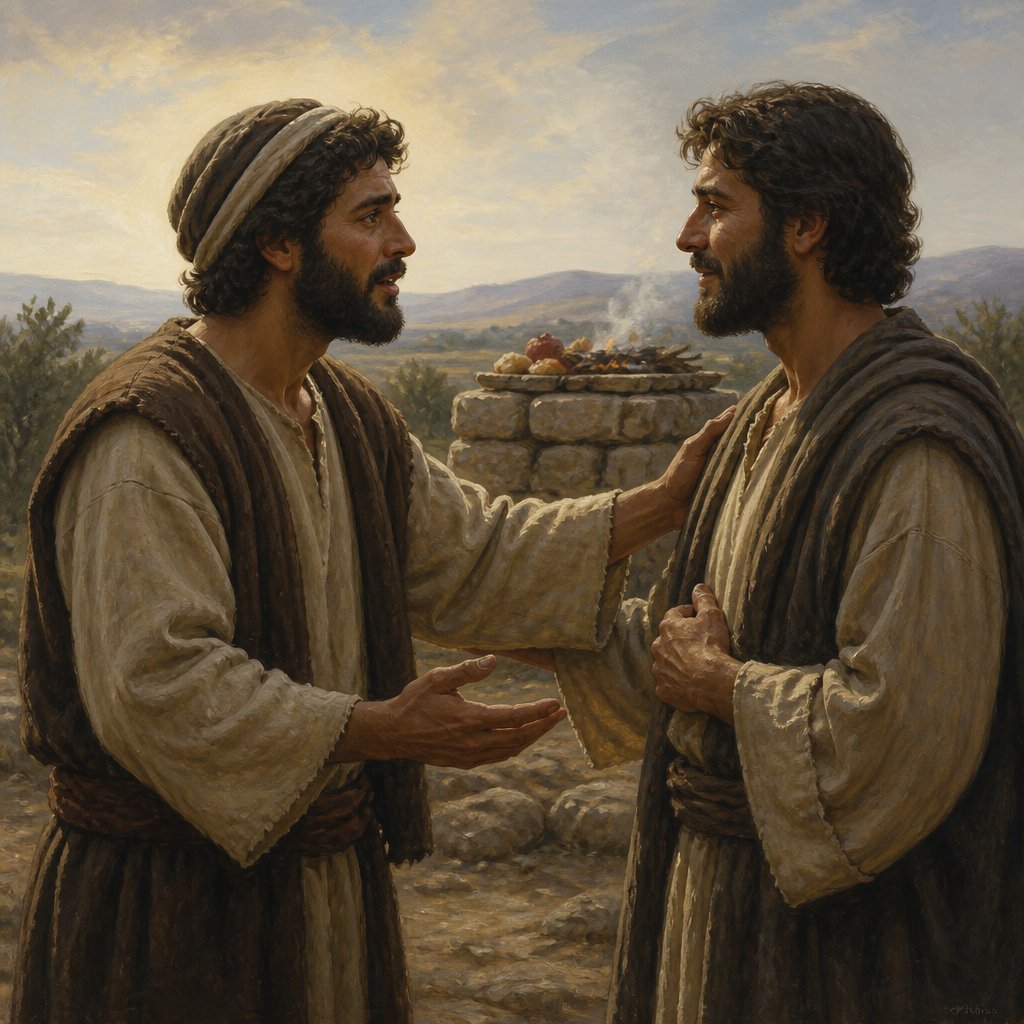
Matthew 5:22-24 in the King James Version of the Bible states, "But I say unto you, That whosoever is angry with his brother without a cause shall be in danger of the judgment: and whosoever shall say to his brother, Raca, shall be in danger of the council: but whosoever shall say, Thou fool, shall be in danger of hell fire. Therefore, if thou bring thy gift to the altar, and there rememberest that thy brother hath ought against thee; Leave there thy gift before the altar, and go thy way; first be reconciled to thy brother, and then come and offer thy gift."
This passage comes from the Sermon on the Mount, where Jesus taught his disciples about righteous living and the principles of God's kingdom. In this particular section, Jesus delves into the deeper implications of the commandments, addressing not only outward actions but also the inner attitudes and motivations of the heart.
The first part of the passage focuses on the destructive nature of anger and its potential consequences. Jesus warns that harboring unjustifiable anger towards a brother may lead to judgment. This speaks to the seriousness with which God views internal emotions and thoughts. Here, Jesus is emphasizing the idea that righteousness is not merely a matter of external actions, but also of the heart and mind.
The use of the word "Raca" is significant as it was a term of contempt or insult in Aramaic, indicating disdain for another person. Jesus warns that even using such language towards a brother would put a person in danger of the council, suggesting a more severe form of judgement.
Further, Jesus declares that calling someone a fool puts one in danger of hell fire. This underscores the gravity of the sin of degrading or demeaning another person. Again, Jesus is emphasizing the importance of our words and attitudes in relation to our relationships with others.
The verse then transitions to a practical application of these principles. Jesus uses the imagery of bringing a gift to the altar, referring to the act of making a sacrifice or offering in worship. He instructs that if one is in the act of worship and remembers that their brother has something against them, they should first seek reconciliation with their brother before offering their gift. This highlights the priority of restoring and maintaining healthy relationships with others over religious rituals. It also reinforces the importance of reconciliation and forgiveness as integral components of true worship and righteous living.
This passage touches on several important themes. First and foremost, it emphasizes the importance of inner righteousness, as opposed to mere outward conformity to religious practices. It underscores the significance of the heart and attitude in our relationships with others. It also speaks to the vital nature of forgiveness and reconciliation in the Christian life. Additionally, it highlights the value of genuine, self-sacrificial love for others as an expression of true worship.
The context of this passage is crucial to understanding its significance. Jesus was addressing a crowd of people who were familiar with the Mosaic Law, which contained commandments about murder and anger. However, Jesus was challenging them to go beyond the mere outward observance of the law and to consider the deeper implications of their attitudes and actions. This verse is part of a larger discourse in which Jesus was overturning legalistic interpretations of the Law and reorienting the focus towards the heart and the kingdom principles of love, forgiveness, and reconciliation.
Symbolism in this passage is represented through the contrast between outward religious acts and the internal reality of the heart. The altar, representing worship and sacrifice, serves as a symbol for religious practice. The idea of leaving the gift at the altar and seeking reconciliation with a brother speaks to the importance of prioritizing sincere relationships over religious rituals. This symbolizes the idea that true worship is characterized by a transformed heart and genuine love for others.
In conclusion, Matthew 5:22-24 from the King James Version of the Bible provides profound insight into the nature of righteousness, relationships, and worship. It challenges believers to consider the condition of their hearts and attitudes towards others, emphasizing the importance of reconciliation, forgiveness, and genuine love in the Christian life. This passage serves as a powerful reminder of the transformative power of Christ's teachings and the call to live out the principles of God's kingdom in both our internal and external lives.
Get our apps


Artwork for Matthew 5:22-24

Matthew 5:22-24 - "But I say to you that everyone who is angry with his brother will be liable to judgment; whoever insults his brother will be liable to the council; and whoever says, 'You fool!' will be liable to the hell of fire. So if you are offering your gift at the altar and there remember that your brother has something against you, leave your gift there before the altar and go. First be reconciled to your brother, and then come and offer your gift."
"But I say to you that everyone who is angry with his brother will be liable to judgment; whoever insults his brother will be liable to the council; and whoever says, 'You fool!' will be liable to the hell of fire. So if you are offering your gift at the altar and there remember that your brother has something against you, leave your gift there before the altar and go. First be reconciled to your brother, and then come and offer your gift." - Matthew 5:22-24

James 2:2-4

Matthew 24:22 - "And except those days should be shortened, there should no flesh be saved: but for the elect's sake those days shall be shortened."

Matthew 22:5 - "But they made light of it, and went their ways, one to his farm, another to his merchandise:"

Matthew 24:5 - "For many shall come in my name, saying, I am Christ; and shall deceive many."
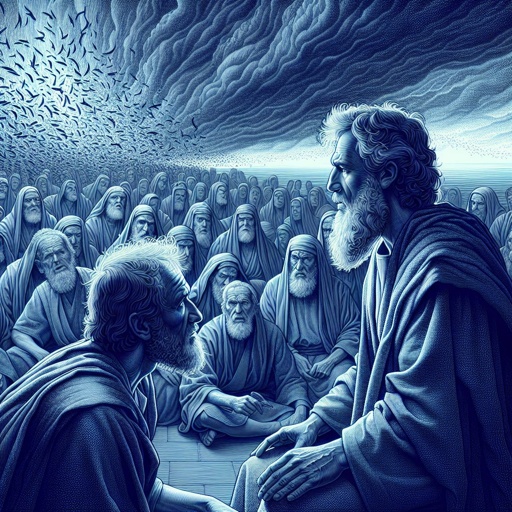
Matthew 22:24 - "Saying, Master, Moses said, If a man die, having no children, his brother shall marry his wife, and raise up seed unto his brother."

Matthew 5:24 - "Leave there thy gift before the altar, and go thy way; first be reconciled to thy brother, and then come and offer thy gift."
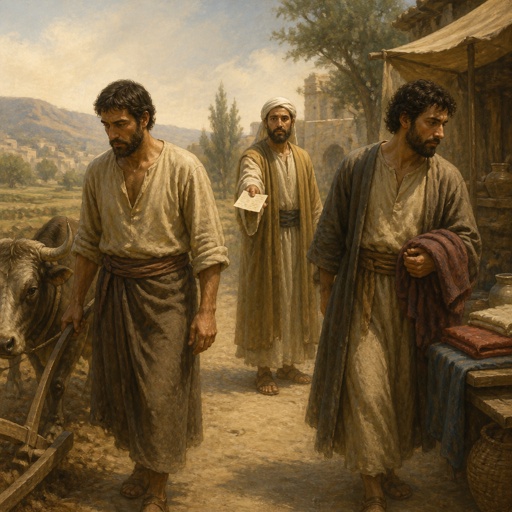
"But they made light of it, and went their ways, one to his farm, another to his merchandise:" - Matthew 22:5

Matthew 5:24 leave your gift there before the altar, and go your way. First be reconciled to your brother, and then come and offer your gift.

Matthew 24:35

Matthew 24:35

Matthew 24:35

Matthew 24:35

Matthew 24:35

Matthew 24:35

Matthew 24:35

Matthew 24:35

Matthew 24:35

Matthew 24:35
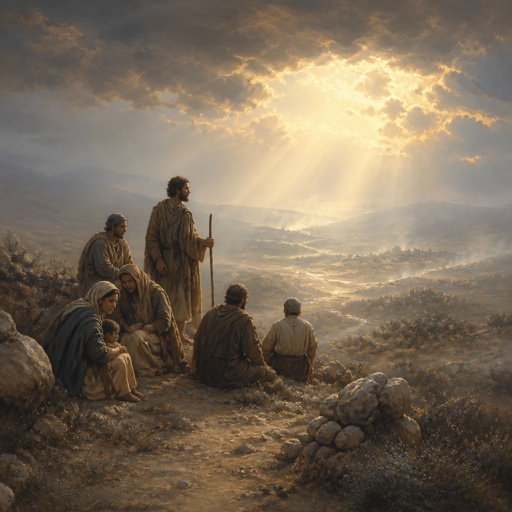
"And except those days should be shortened, there should no flesh be saved: but for the elect's sake those days shall be shortened." - Matthew 24:22
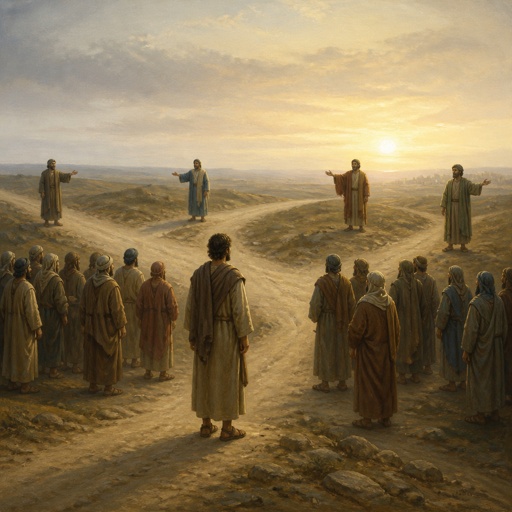
"For many shall come in my name, saying, I am Christ; and shall deceive many." - Matthew 24:5

Matthew 5:23-24 - "Therefore, if you are offering your gift at the altar and there remember that your brother or sister has something against you, leave your gift there in front of the altar. First go and be reconciled to them; then come and offer your gift."

Matthew 24:15

Matthew 24:27

Matthew 6:24

Matthew 24:8

Matthew 9:21-22

Matthew 6:24

Matthew 6:24