What does Matthew 5:23 mean?
“Therefore if thou bring thy gift to the altar, and there rememberest that thy brother hath ought against thee;” — Matthew 5:23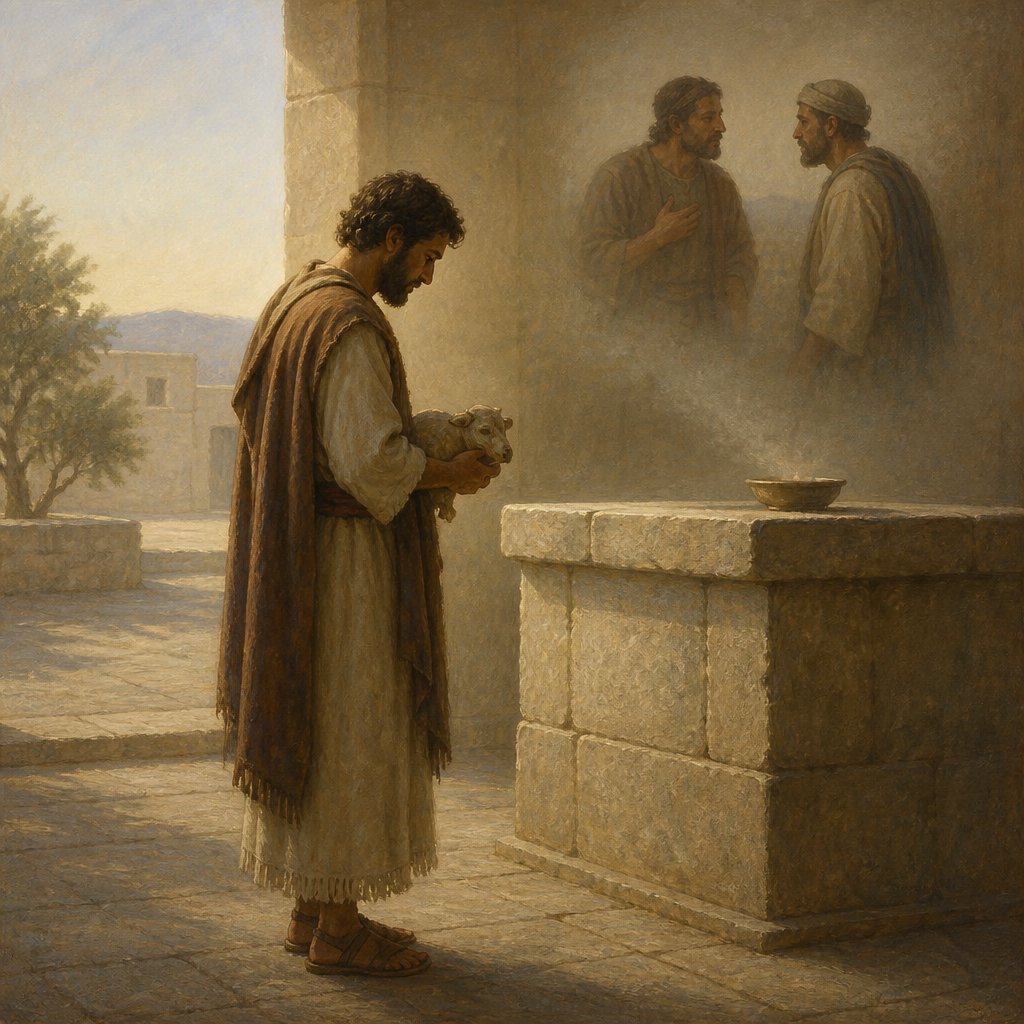
Matthew 5:23 (KJV) states: "Therefore if thou bring thy gift to the altar, and there rememberest that thy brother hath ought against thee."
In this verse, Jesus is speaking to the crowd during his Sermon on the Mount. He is addressing the importance of reconciliation and forgiveness in relationships, particularly within the context of worship. Jesus is emphasizing that our relationships with others must be in right standing before we come to God in worship.
The verse begins with "Therefore," which indicates a connection to the preceding verses. In the previous verses, Jesus discusses anger and the importance of reconciling with others before coming to the altar to offer a gift. This sets the stage for the specific instructions given in verse 23.
The act of bringing a gift to the altar symbolizes worship and offering something to God. In the Old Testament, the altar was a place of sacrifice and worship, where people would bring offerings to God. Jesus is using this familiar practice to illustrate his point about the need for reconciliation in relationships before approaching God.
The act of remembering that thy brother hath ought against thee emphasizes the importance of recognizing when there is an issue in a relationship that needs to be addressed. It shows that we have a responsibility to seek reconciliation and forgiveness when there is conflict or unresolved issues with others.
This verse aligns with the broader theme of forgiveness and reconciliation found throughout the Bible. Jesus frequently taught about the importance of forgiveness and the need to reconcile with others. In Matthew 5:9, Jesus says, "Blessed are the peacemakers, for they shall be called the children of God." This verse echoes the sentiment of seeking peace and reconciliation with others.
The context of this verse is also significant. During the time of Jesus, there were strict religious practices and rituals associated with worship at the temple. People were expected to present their gifts and offerings to God in a specific manner. By using the imagery of bringing a gift to the altar, Jesus is addressing the religious practices of the day and emphasizing the deeper spiritual principles that should guide our actions.
The symbolism in this verse is powerful. The altar represents our approach to God in worship, while the gift symbolizes our offering to Him. The act of remembering a conflict with a brother signifies the recognition of our responsibility to address and remedy the situation before coming before God. This symbolism underscores the importance of genuine reconciliation and the impact it has on our relationship with God.
Overall, Matthew 5:23 highlights the need for humility, reconciliation, and forgiveness in our relationships. It emphasizes that our actions and attitudes towards others have a direct impact on our worship and relationship with God. By addressing conflicts and seeking reconciliation, we demonstrate love, humility, and obedience to God's commandments.
In conclusion, Matthew 5:23 reminds us of the significance of our relationships with others in the context of worship. It challenges us to actively seek reconciliation and forgiveness in our interpersonal interactions, and underscores the importance of living in harmony with others as we come before God in worship. This verse serves as a powerful reminder of the interconnectedness of our relationships with others and our relationship with God.
Get our apps


Artwork for Matthew 5:23

Matthew 5:23 - "Therefore if thou bring thy gift to the altar, and there rememberest that thy brother hath ought against thee;"

Matthew 5:23-24 - "Therefore, if you are offering your gift at the altar and there remember that your brother or sister has something against you, leave your gift there in front of the altar. First go and be reconciled to them; then come and offer your gift."
"Therefore if thou bring thy gift to the altar, and there rememberest that thy brother hath ought against thee;" - Matthew 5:23

Matthieu 5:23-26

Matthew 5:23-26 - "Therefore if thou bring thy gift to the altar, and there rememberest that thy brother hath ought against thee; Leave there thy gift before the altar, and go thy way; first be reconciled to thy brother, and then come and offer thy gift. Agree with thine adversary quickly, whiles thou art in the way with him; lest at any time the adversary deliver thee to the judge, and the judge deliver thee to the officer, and thou be cast into prison. Verily I say unto thee, Thou shalt by no means come out thence, till thou hast paid the uttermost farthing."
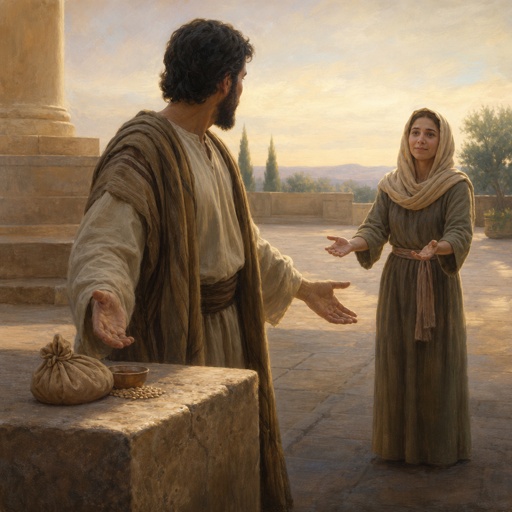
"Therefore, if you are offering your gift at the altar and there remember that your brother or sister has something against you, leave your gift there in front of the altar. First go and be reconciled to them; then come and offer your gift." - Matthew 5:23-24
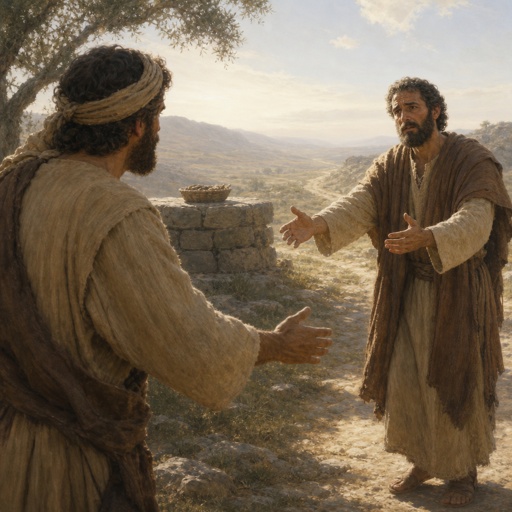
"Therefore if thou bring thy gift to the altar, and there rememberest that thy brother hath ought against thee; Leave there thy gift before the altar, and go thy way; first be reconciled to thy brother, and then come and offer thy gift. Agree with thine adversary quickly, whiles thou art in the way with him; lest at any time the adversary deliver thee to the judge, and the judge deliver thee to the officer, and thou be cast into prison. Verily I say unto thee, Thou shalt by no means come out thence, till thou hast paid the uttermost farthing." - Matthew 5:23-26

Matthew 23:5 - "But all their works they do for to be seen of men: they make broad their phylacteries, and enlarge the borders of their garments,"

Mathew 23:5 The

Matthew 6:23
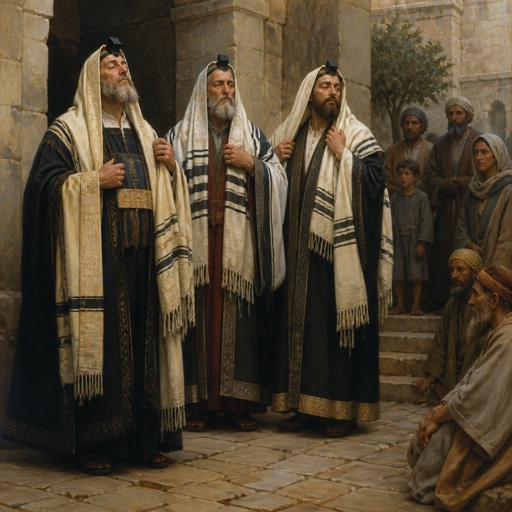
"But all their works they do for to be seen of men: they make broad their phylacteries, and enlarge the borders of their garments," - Matthew 23:5

Matthew 25:23

Matthew 2:23

Matthew 15:23

Matthew 2:23

Matthew 23:12

Matthew 23:12

Matthew 2:23

Matthew 23:28

Matthew 25:23

MATTHEW 28: 23

Matthew 15:23

matthew 7:23

Matthew 2:23

Matthew 23:28
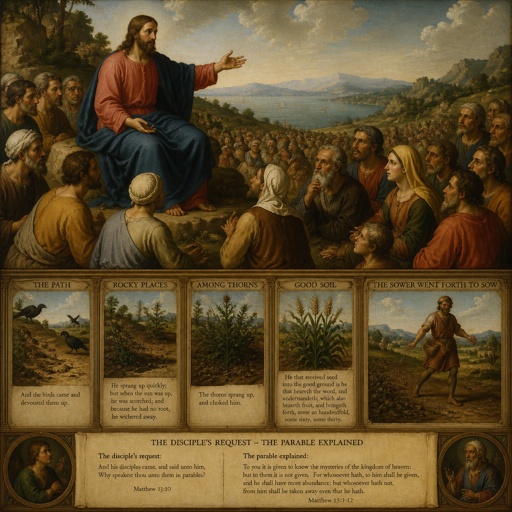
Matthew 13:1-23
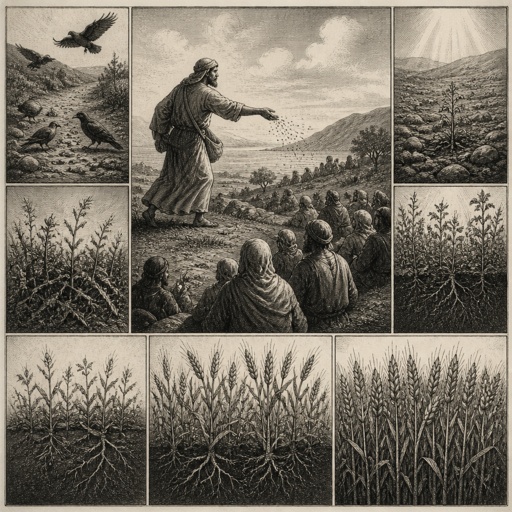
Matthew 13:1-23
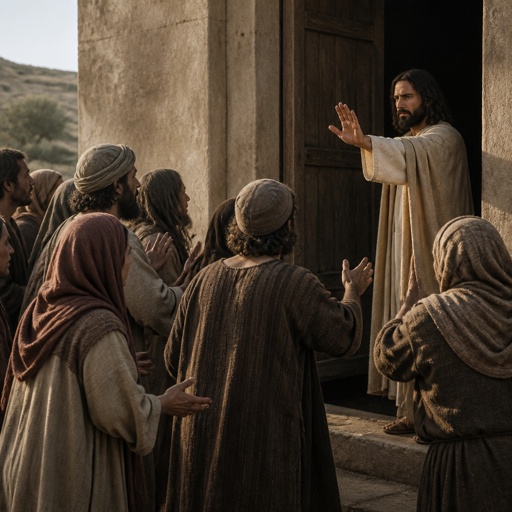
Matthew 7:21-23

Matthew 18:23-34

Matthew 18:23-34