What does Matthew 5:23-24 mean?
“Therefore if thou bring thy gift to the altar, and there rememberest that thy brother hath ought against thee; Leave there thy gift before the altar, and go thy way; first be reconciled to thy brother, and then come and offer thy gift.” — Matthew 5:23-24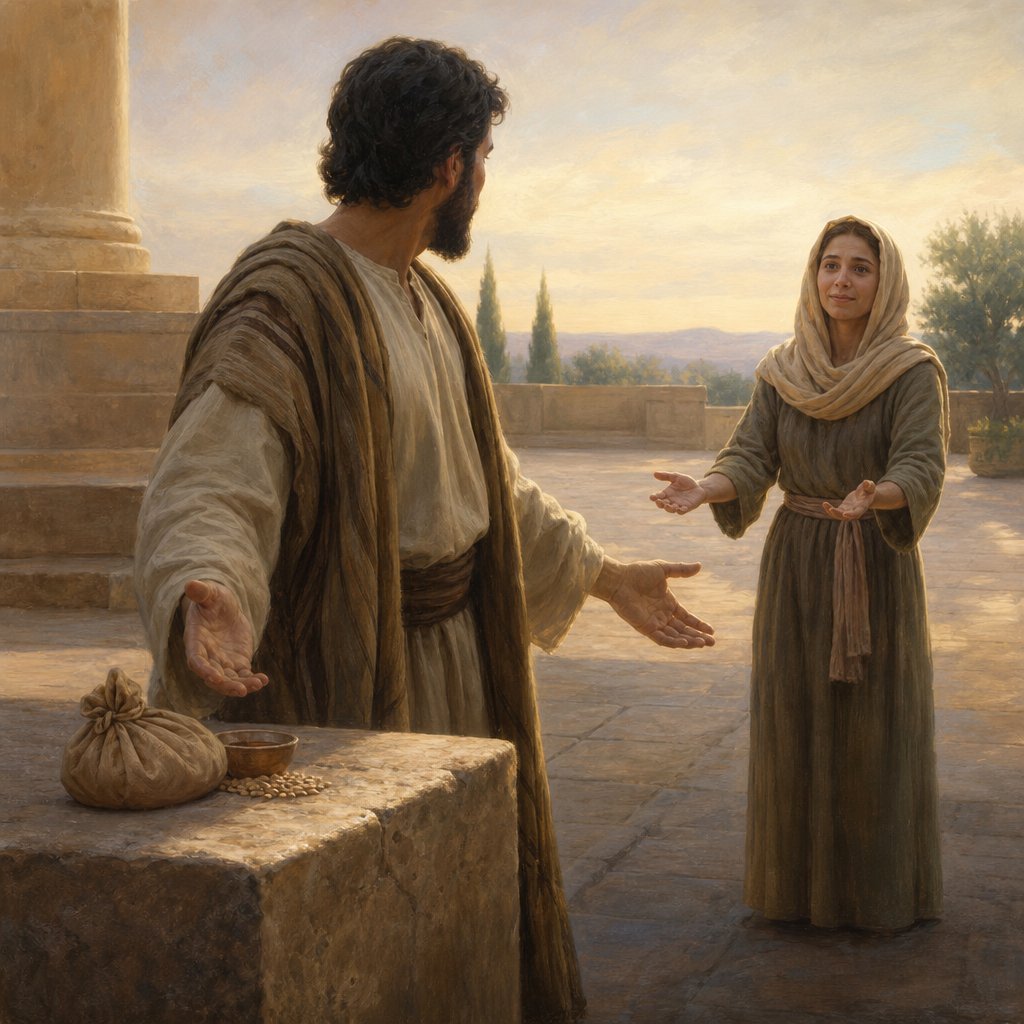
Matthew 5:23-24 from the King James Version of the Bible states, "Therefore if thou bring thy gift to the altar, and there rememberest that thy brother hath ought against thee; Leave there thy gift before the altar, and go thy way; first be reconciled to thy brother, and then come and offer thy gift."
This verse is part of Jesus' Sermon on the Mount, in which he covers a wide range of topics related to ethics, morality, and righteous living. In this specific passage, Jesus addresses the issue of reconciliation and forgiveness within relationships. The overarching theme of this passage is the importance of resolving conflicts and seeking reconciliation with others before coming to God with offerings or worship.
The context of this verse is crucial to understanding its meaning. Jesus had just finished discussing the commandment about not committing murder and the consequences of failing to reconcile with others. He now goes on to give a practical application of this principle. He addresses the act of bringing a gift to the altar, which was a common practice in Jewish religious life. This act symbolized offering oneself and one's possessions to God, and it was accompanied by prayers and sacrifices.
Jesus' message here is clear: if anyone has something against you, it is your responsibility to seek reconciliation with them before offering your gift to God. This demonstrates the high value Jesus places on human relationships and the need for resolution and harmony in interpersonal interactions. It also indicates that our relationship with others has a direct impact on our relationship with God. Reconciling with others is not only a moral obligation but also an essential aspect of worship.
The symbolism in this passage is deeply rooted in the religious practices of the time. The act of bringing a gift to the altar symbolizes an individual's desire to honor and worship God. However, Jesus emphasizes that true worship entails more than just external acts of devotion. It requires an internal transformation and a commitment to living in harmony with others. The altar represents the presence of God, and by leaving the gift before it, the individual demonstrates a willingness to prioritize reconciliation over religious rituals.
The themes present in this verse are numerous and profound. One of the primary themes is the importance of reconciliation and forgiveness in the Christian life. Jesus teaches that harboring unresolved conflicts and grievances can hinder one's relationship with both others and with God. He calls for a proactive approach to resolving conflicts, emphasizing the urgency of seeking reconciliation before engaging in religious acts.
Another theme present in this passage is the interconnectedness of human relationships and spiritual devotion. Jesus highlights the mutual influence between horizontal and vertical relationships. A lack of reconciliation with others can hinder one's ability to connect with God. This theme underscores the interconnected nature of the Christian faith and the fundamental principle of love for one another.
Furthermore, this passage also emphasizes the humility and selflessness required in Christian living. The act of leaving one's gift before the altar demonstrates a willingness to set aside personal desires and priorities in order to prioritize reconciliation with others. It calls for self-examination and a willingness to initiate reconciliation, even if the other party is at fault.
In conclusion, Matthew 5:23-24 from the King James Version of the Bible presents a powerful message about the importance of reconciliation and forgiveness in the Christian life. It underscores the interconnected nature of human relationships and spiritual devotion and emphasizes the need for humility and selflessness in resolving conflicts. This passage serves as a reminder of the high value Jesus places on harmonious relationships and the need for prioritizing reconciliation before engaging in religious acts.
Get our apps


Artwork for Matthew 5:23-24

Matthew 5:23-24 - "Therefore, if you are offering your gift at the altar and there remember that your brother or sister has something against you, leave your gift there in front of the altar. First go and be reconciled to them; then come and offer your gift."

Matthieu 5:23-26
"Therefore, if you are offering your gift at the altar and there remember that your brother or sister has something against you, leave your gift there in front of the altar. First go and be reconciled to them; then come and offer your gift." - Matthew 5:23-24

Matthew 23:24 - "Ye blind guides, which strain at a gnat, and swallow a camel."

Matthew 24:23 - "Then if any man shall say unto you, Lo, here is Christ, or there; believe it not."

Matthew 23:5 - "But all their works they do for to be seen of men: they make broad their phylacteries, and enlarge the borders of their garments,"

Matthew 5:23 - "Therefore if thou bring thy gift to the altar, and there rememberest that thy brother hath ought against thee;"

Matthew 24:5 - "For many shall come in my name, saying, I am Christ; and shall deceive many."

Mathew 23:5 The
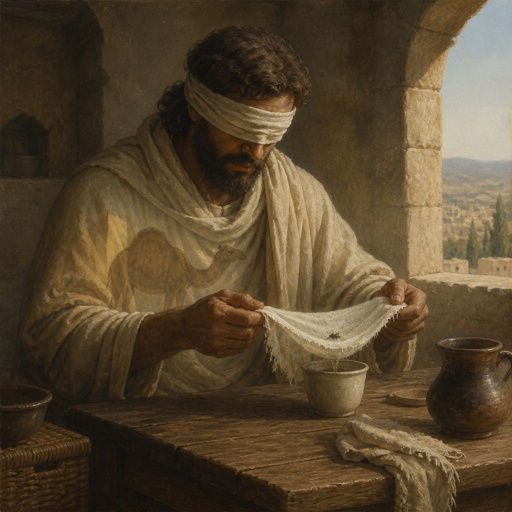
"Ye blind guides, which strain at a gnat, and swallow a camel." - Matthew 23:24

Matthew 5:24 - "Leave there thy gift before the altar, and go thy way; first be reconciled to thy brother, and then come and offer thy gift."
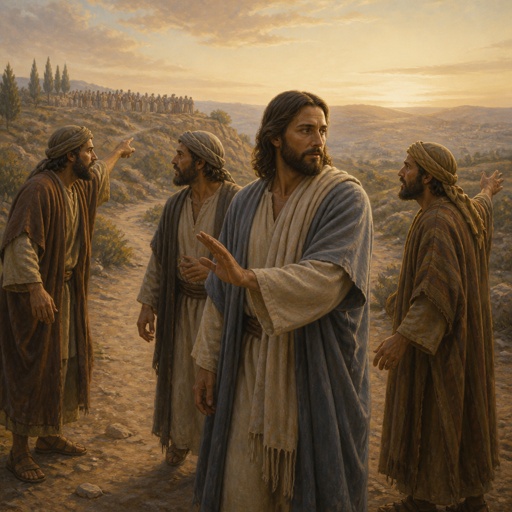
"Then if any man shall say unto you, Lo, here is Christ, or there; believe it not." - Matthew 24:23
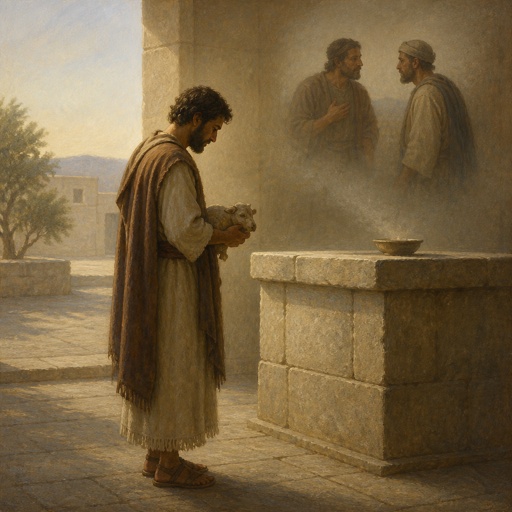
"Therefore if thou bring thy gift to the altar, and there rememberest that thy brother hath ought against thee;" - Matthew 5:23

"May God himself, the God of peace, sanctify you through and through. May your whole spirit, soul and body be kept blameless at the coming of our Lord Jesus Christ. The one who calls you is faithful, and he will do it." - 1 Thessalonians 5:23-24

Matthew 5:24 leave your gift there before the altar, and go your way. First be reconciled to your brother, and then come and offer your gift.

Matthew 24:35

Matthew 24:35

Matthew 24:35

Matthew 24:35

Matthew 24:35

Matthew 24:35

Matthew 24:35

Matthew 24:35

Matthew 24:35

Matthew 24:35

Matthew 6:23
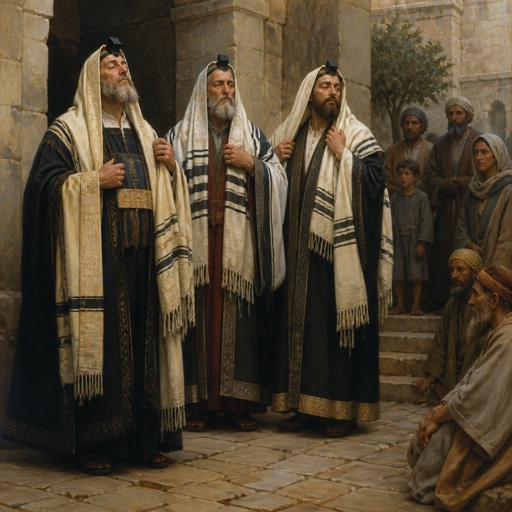
"But all their works they do for to be seen of men: they make broad their phylacteries, and enlarge the borders of their garments," - Matthew 23:5
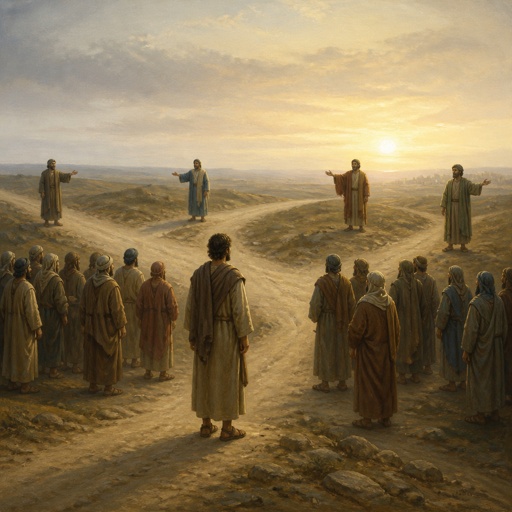
"For many shall come in my name, saying, I am Christ; and shall deceive many." - Matthew 24:5

Matthew 24:15

Matthew 24:27