What does Matthew 5:34 mean?
“But I say unto you, Swear not at all; neither by heaven; for it is God’s throne:” — Matthew 5:34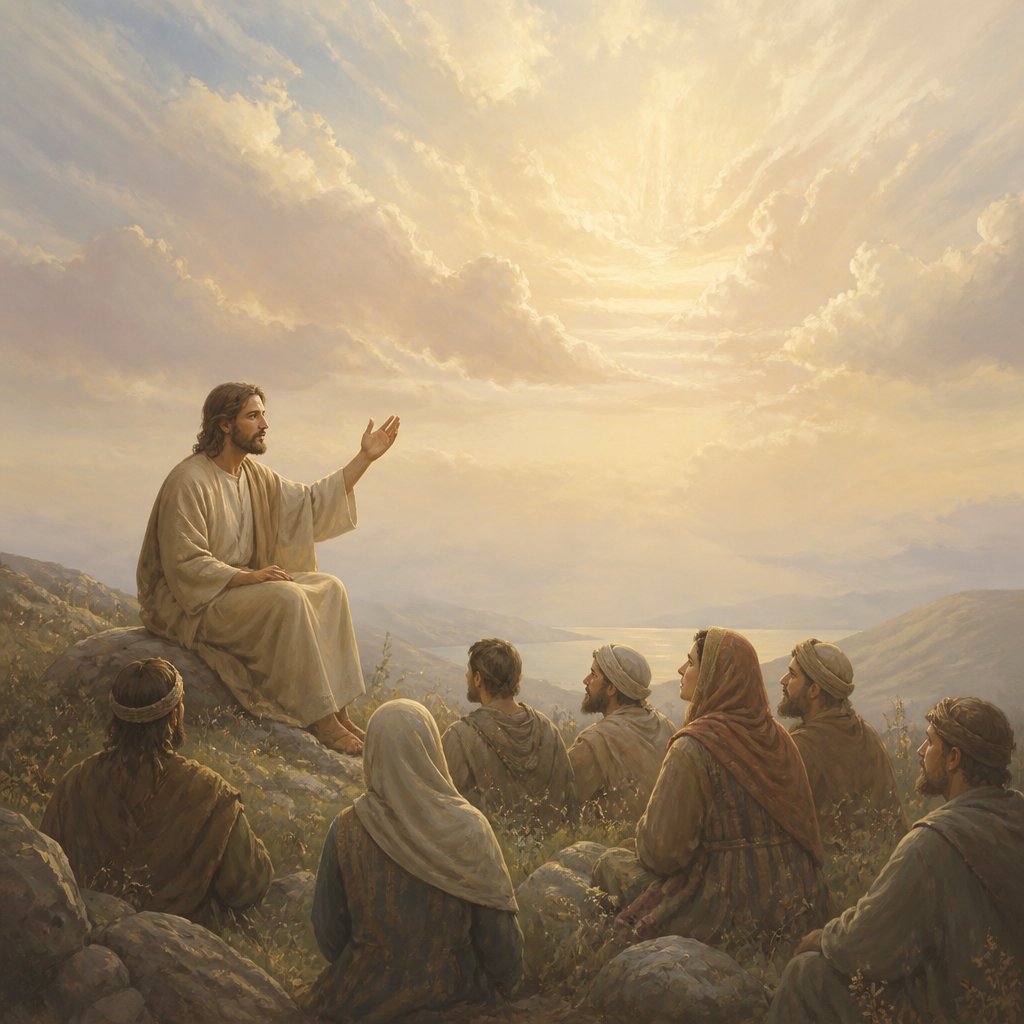
The Bible verse Matthew 5:34 in the King James Version (KJV) states, "But I say unto you, Swear not at all; neither by heaven; for it is God's throne." This verse is part of Jesus' Sermon on the Mount, where he delivers a series of teachings to his disciples and the crowds gathered to hear him. The verse is part of a larger section in which Jesus is addressing the issue of oaths and promises. In this verse, Jesus is instructing his followers not to swear at all, and he specifically references heaven as something they should not swear by.
The larger context of the Sermon on the Mount is important in understanding the meaning and significance of this verse. In the preceding verses, Jesus says, "Again, ye have heard that it hath been said by them of old time, Thou shalt not forswear thyself, but shalt perform unto the Lord thine oaths" (Matthew 5:33, KJV). Here, Jesus is referring to the practice of swearing oaths and making vows, which was a common custom among the Jewish people at the time. However, Jesus goes on to challenge this practice and offers a different perspective on the matter.
In the verses following Matthew 5:34, Jesus says, "But let your communication be, Yea, yea; Nay, nay: for whatsoever is more than these cometh of evil" (Matthew 5:37, KJV). This further emphasizes Jesus' instruction for straightforward communication and honesty, without the need for oaths and vows.
The verse Matthew 5:34 has several important themes and implications. Firstly, it reflects Jesus' teaching on the importance of honesty and integrity in communication. By instructing his followers not to swear at all, Jesus is emphasizing the need for truthfulness and reliability in their words and promises. This aligns with other biblical teachings on the virtue of honesty and the dangers of deceit and falsehood.
Another significant theme in this verse is the recognition of the holiness and authority of God. By prohibiting his followers from swearing by heaven, Jesus is pointing to the sacredness of heaven as God's throne. This serves as a reminder of the reverence and respect that should be given to God and his heavenly domain. The verse encourages a deep sense of awe and honor for the divine, which is in line with the broader biblical theme of acknowledging God's sovereignty and majesty.
Additionally, the verse contains symbolism that carries theological and ethical implications. The reference to heaven as God's throne serves as a symbol of the divine presence and rule. By urging his followers not to swear by heaven, Jesus is redirecting their focus away from worldly things and towards the ultimate authority of God. This symbolic gesture underscores the spiritual dimension of Jesus' teachings and underscores the higher values and principles that his followers are called to embody.
In conclusion, Matthew 5:34 in the King James Version offers a profound insight into Jesus' ethical teachings and the ethical expectations for his followers. It emphasizes the virtues of honesty, integrity, and reverence for God, while challenging traditional practices of oaths and vows. The verse carries rich themes of truthfulness, divine authority, and spiritual symbolism, and it continues to speak to believers about the enduring relevance of these moral principles in their lives.
Get our apps


Artwork for Matthew 5:34

Matthew 5:34 - "But I say unto you, Swear not at all; neither by heaven; for it is God's throne:"
"But I say unto you, Swear not at all; neither by heaven; for it is God's throne:" - Matthew 5:34

Matthew 6:34

Matthew 6:34

Matthew 6:34

Matthew 6:34

Matthew 6:34

Matthew 18:23-34

Matthew 18:23-34

Matthew 18:23-34

Matthew 20:29-34

Matthew 6:25 – 34

Matthew 18:23-34

Matthew 14:34 - "¶ And when they were gone over, they came into the land of Gennesaret."

Matthew 9:34 - "But the Pharisees said, He casteth out devils through the prince of the devils."

Deuteronomy 34:5-6

Images that depicts the verse Matthew 27:11-34

Matthew 24:34 - "Verily I say unto you, This generation shall not pass, till all these things be fulfilled."

Matthew 10:34 - "Think not that I am come to send peace on earth: I came not to send peace, but a sword."

Matthew 22:34 - "¶ But when the Pharisees had heard that he had put the Sadducees to silence, they were gathered together."

Psalms 34:5 - "They looked unto him, and were lightened: and their faces were not ashamed."

Exodus 34:5 - "And the LORD descended in the cloud, and stood with him there, and proclaimed the name of the LORD."

Matthew 21:34 - "And when the time of the fruit drew near, he sent his servants to the husbandmen, that they might receive the fruits of it."

Matthew 20:34 - "So Jesus had compassion on them, and touched their eyes: and immediately their eyes received sight, and they followed him."

Matthew 13:34 - "All these things spake Jesus unto the multitude in parables; and without a parable spake he not unto them:"

Matthew 5:5 - "Blessed are the meek: for they shall inherit the earth."

Matthew 5:44

Matthew 5:44

Matthew 5

Matthew 5