What does Matthew 6:9 mean?
"After this manner therefore pray ye: Our Father which art in heaven, Hallowed be thy name." - Matthew 6:9
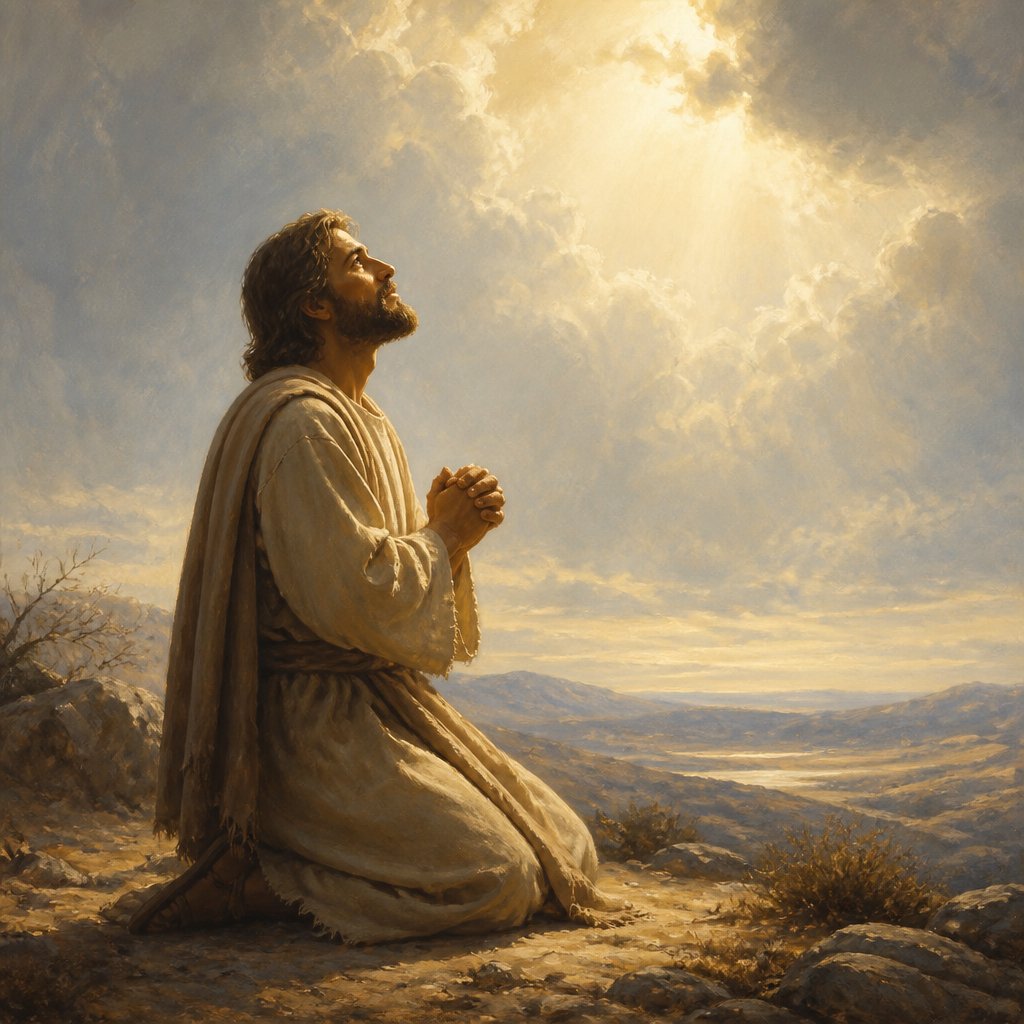
The Bible verse Matthew 6:9 in the King James Version (KJV) reads: "After this manner therefore pray ye: Our Father which art in heaven, Hallowed be thy name."
This verse is part of what is commonly known as the Lord's Prayer, which is a model prayer that Jesus taught to his disciples. It is a foundational prayer in the Christian faith, and it holds great significance in the context of Christian worship, theology, and spirituality.
The Lord's Prayer begins with the acknowledgment of God as "Our Father," establishing a personal and intimate connection between God and his followers. The use of the word "father" in this context symbolizes the nurturing, protective, and loving nature of God, and it conveys the idea of a familial relationship between God and humanity. This foundation of the prayer sets the tone for the rest of the verses, emphasizing the believer's reliance on God as a parent and provider.
The phrase "which art in heaven" serves as a reminder of the transcendence and sovereignty of God. It acknowledges that God is not limited by earthly constraints and is exalted above all creation. By recognizing God's heavenly nature, believers are prompted to approach him with reverence, awe, and humility.
The next line, "Hallowed be thy name," reinforces the idea of God's holiness and uniqueness. The word "hallowed" means to be regarded as holy, consecrated, or set apart. It reflects the desire for God's name to be honored, revered, and respected. This part of the prayer emphasizes the importance of treating God with the utmost reverence and devotion, acknowledging his supreme authority and sovereignty.
The themes present in this verse are foundational to the Christian faith and practice. They include the intimacy and transcendence of God, the recognition of his holiness, and the acknowledgment of his authority. The Lord's Prayer, of which Matthew 6:9 is a part, serves as a guide for believers to approach God in prayer with reverence, trust, and submission.
In its historical context, this verse was spoken by Jesus during his Sermon on the Mount, in which he taught his disciples about various aspects of Christian living and devotion. The Lord's Prayer was given as a response to a request from the disciples for Jesus to teach them how to pray. It reflects Jesus' desire to instruct his followers in the essentials of a meaningful and sincere prayer life.
The symbolism in this verse is rich and multifaceted. The image of God as a loving and protective father speaks to the relational aspect of the Christian faith, highlighting the believer's dependence on God and the trust placed in his care. The concept of God's heavenly nature serves as a reminder of his transcendent and eternal qualities, emphasizing his majesty and authority. The phrase "Hallowed be thy name" encapsulates the reverence and awe that believers are called to have in their approach to God, recognizing his holiness and uniqueness.
In conclusion, Matthew 6:9 in the King James Version holds significant theological, spiritual, and practical implications for believers. It serves as a foundational model for prayer, emphasizing the relational, transcendent, and holy nature of God. This verse continues to be a central aspect of Christian worship and devotion, guiding believers in approaching God with humility, reverence, and trust.
Have questions about Matthew 6:9?
Dive deeper into this scripture with Bible Chat — an AI-powered tool for exploring God's Word through conversation. Ask questions, get context, and grow in your understanding of the Bible.
Get Our Apps


Matthew 6:9 Artwork

Matthew 6:9-13

Matthew 6:9 - "After this manner therefore pray ye: Our Father which art in heaven, Hallowed be thy name."
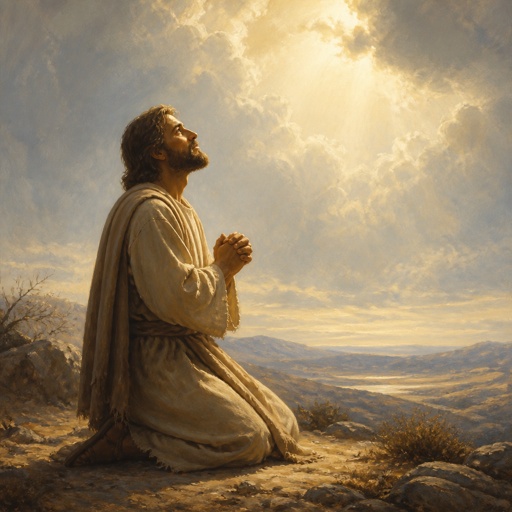
"After this manner therefore pray ye: Our Father which art in heaven, Hallowed be thy name." - Matthew 6:9

Matthew 6:9-13 - "This, then, is how you should pray: 'Our Father in heaven, hallowed be your name, your kingdom come, your will be done, on earth as it is in heaven. Give us today our daily bread. And forgive us our debts, as we also have forgiven our debtors. And lead us not into temptation, but deliver us from the evil one.'"
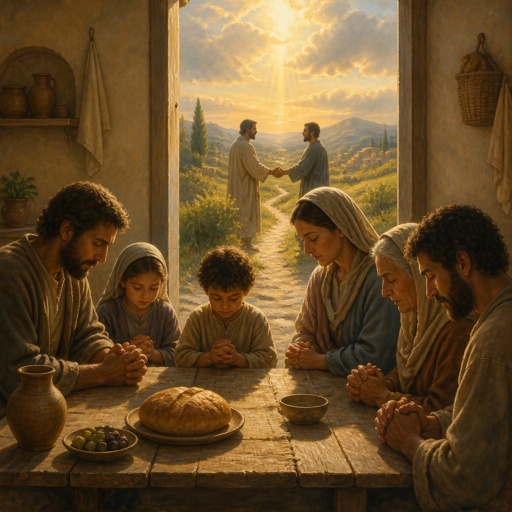
"This, then, is how you should pray: 'Our Father in heaven, hallowed be your name, your kingdom come, your will be done, on earth as it is in heaven. Give us today our daily bread. And forgive us our debts, as we also have forgiven our debtors. And lead us not into temptation, but deliver us from the evil one.'" - Matthew 6:9-13

Matthew 6:6

Matthew 9:6 - "But that ye may know that the Son of man hath power on earth to forgive sins, (then saith he to the sick of the palsy,) Arise, take up thy bed, and go unto thine house."

Matthew 9:21

Matthew 6:23

Matthew 9:21-22

Matthew 9:6 But that you may know that the Son of Man has power on earth to forgive sins”—then He said to the paralytic, “Arise, take up your bed, and go to your house.”

Matthew 9:21-22

Matthew 9:21-22

Matthew 9:21-22

Matthew 9:21-22

Matthew 2:9

Matthew 9:9 - "¶ And as Jesus passed forth from thence, he saw a man, named Matthew, sitting at the receipt of custom: and he saith unto him, Follow me. And he arose, and followed him."

Matthew 2:9

Matthew 18:6

Matthew 6:34

Matthew 18:6

Matthew 6:18

Matthew 6:14

Matthew 6:22

Matthew 6:24

Matthew 6:30

Matthew 6:22

Matthew 6:5

Matthew 6:34

Matthew 6:24