What does Matthew 6:15 mean?
"But if ye forgive not men their trespasses, neither will your Father forgive your trespasses." - Matthew 6:15
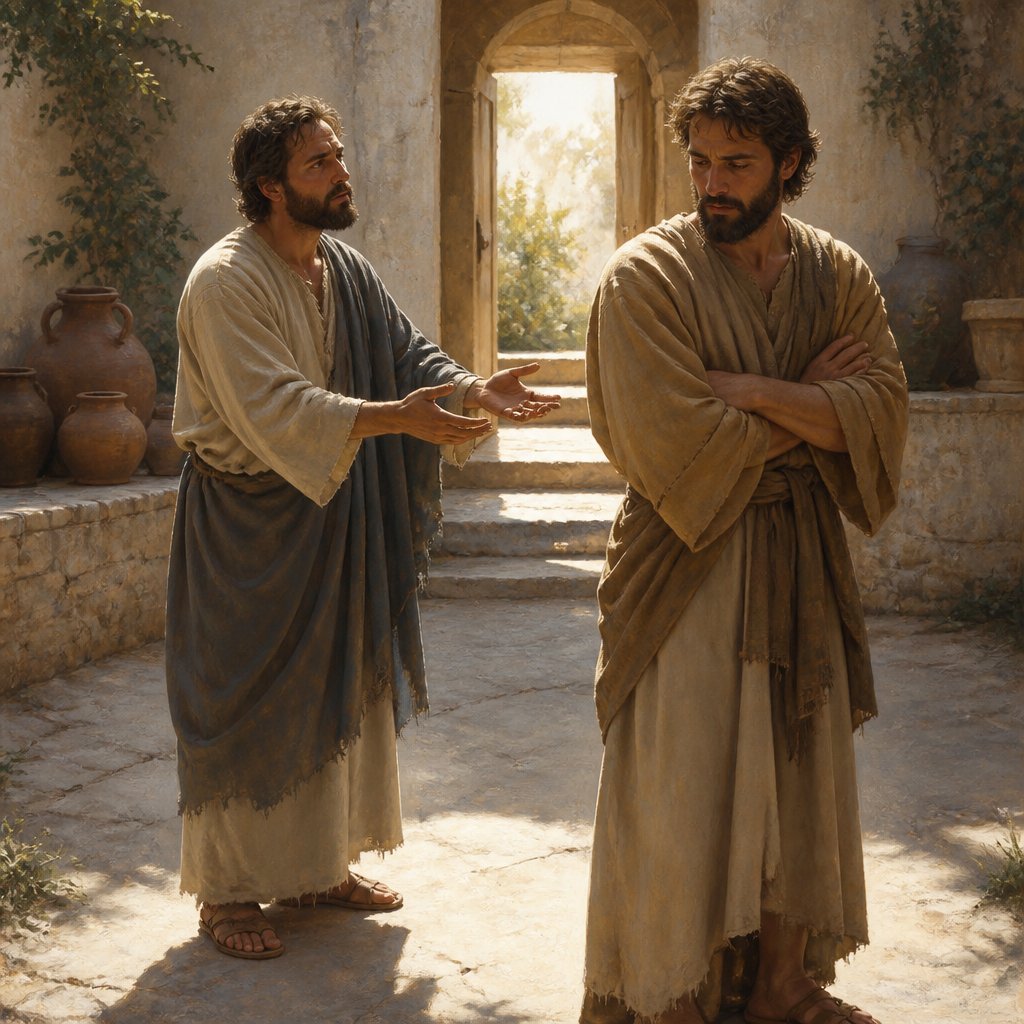
Matthew 6:15 in the King James Version of the Bible states, "But if ye forgive not men their trespasses, neither will your Father forgive your trespasses." This verse is a part of the Sermon on the Mount, in which Jesus delivers teachings on various aspects of the Christian life. In this particular passage, Jesus discusses the importance of forgiveness as a central element of Christian faith and practice.
The verse begins with the conjunction "but," indicating that it is a continuation or contrast from the previous thought. In the preceding verses, Jesus teaches his followers how to pray and emphasizes the need for sincere and heartfelt forgiveness. He instructs them to pray, "forgive us our debts, as we forgive our debtors" (Matthew 6:12), reinforcing the connection between God's forgiveness and human forgiveness. The verse in question serves as a warning, underscoring the reciprocal nature of forgiveness— that is, our own forgiveness from God is contingent upon our willingness to forgive others.
The concept of forgiveness is a recurring theme in the teachings of Jesus. Throughout the Gospels, Jesus emphasizes the importance of forgiveness and demonstrates it through his own actions, notably in his interactions with sinners, outcasts, and those who were considered undeserving of grace. In Luke 15, for example, Jesus tells the parable of the prodigal son, in which a father forgives his wayward son and welcomes him back with open arms. This parable illustrates the boundless nature of God's forgiveness and serves as a model for how Christians should extend forgiveness to others.
In the broader context of the Sermon on the Mount, Jesus presents a radical reorientation of values and virtues that stand in contrast to the prevailing norms of his time. He challenges the legalistic tendencies of the religious leaders and calls his followers to embody a higher standard of righteousness. This includes a radical approach to forgiveness, which goes beyond mere compliance with the letter of the law to reflect the transformative power of God's grace in the lives of believers.
The verse also highlights the relational dimension of forgiveness. The term "men" in this verse encompasses all humanity, emphasizing the universal scope of the command to forgive. Jesus's use of the word "trespasses" conveys the idea of moral or relational transgressions, underscoring the personal and communal nature of forgiveness. The reciprocal nature of forgiveness is underscored by the parallel structure of the verse, which links the forgiveness of others with the forgiveness received from God the Father. This linkage emphasizes the interconnectedness of human relationships and the importance of extending grace and mercy to others as a reflection of God's character.
Symbolically, the act of forgiveness is often associated with the release of debt or the granting of clemency. In ancient Jewish culture, debts were a common form of obligation, and the release of debts signaled a form of liberation and restoration. Jesus's use of the term "debts" in the Lord's Prayer echoes this ancient context, weaving together the themes of forgiveness and liberation. This motif of release is also present in the language of forgiveness in Matthew 6:15, as the failure to forgive is depicted as an obstacle to experiencing the forgiveness of the Father.
In conclusion, Matthew 6:15 is a powerful reminder of the central importance of forgiveness in the Christian life. The verse emphasizes the reciprocal nature of forgiveness, highlighting the relational and ethical dimensions of this foundational Christian virtue. It also underscores the transformative power of forgiveness, both in restoring broken relationships and in reflecting the redemptive work of God in the world. As such, this verse challenges believers to embody a radical ethic of forgiveness, rooted in the boundless grace and mercy of God.
Have questions about Matthew 6:15?
Dive deeper into this scripture with Bible Chat — an AI-powered tool for exploring God's Word through conversation. Ask questions, get context, and grow in your understanding of the Bible.
Get Our Apps


Matthew 6:15 Artwork

Matthew 6:15 - "But if ye forgive not men their trespasses, neither will your Father forgive your trespasses."
"But if ye forgive not men their trespasses, neither will your Father forgive your trespasses." - Matthew 6:15

Luke 6:15 - "Matthew and Thomas, James the son of Alphaeus, and Simon called Zelotes,"

Matthew 15:6 - "And honour not his father or his mother, he shall be free. Thus have ye made the commandment of God of none effect by your tradition."

matthew 15 matthew 15:10
"Matthew and Thomas, James the son of Alphaeus, and Simon called Zelotes," - Luke 6:15

Matthew 6:6

Matthew 6:14-15 - "For if you forgive other people when they sin against you, your heavenly Father will also forgive you. But if you do not forgive others their sins, your Father will not forgive your sins."

Matthew 26:15

Matthew 26:15

Matthew 15:23

Matthew 24:15

Matthew 15:15 - "Then answered Peter and said unto him, Declare unto us this parable."

Matthew 5:15

Matthew 15:23

Matthew 5:15

Matthew 6:23

Matthew 17:14-15

Matthew 15 : 1-20

Matthew 18:6

Matthew 6:34

Matthew 18:6

Matthew 6:22

Matthew 6:18

Matthew 6:22

Matthew 6:14

Matthew 6:24

Matthew 6:30

Matthew 6:5

Matthew 6:34