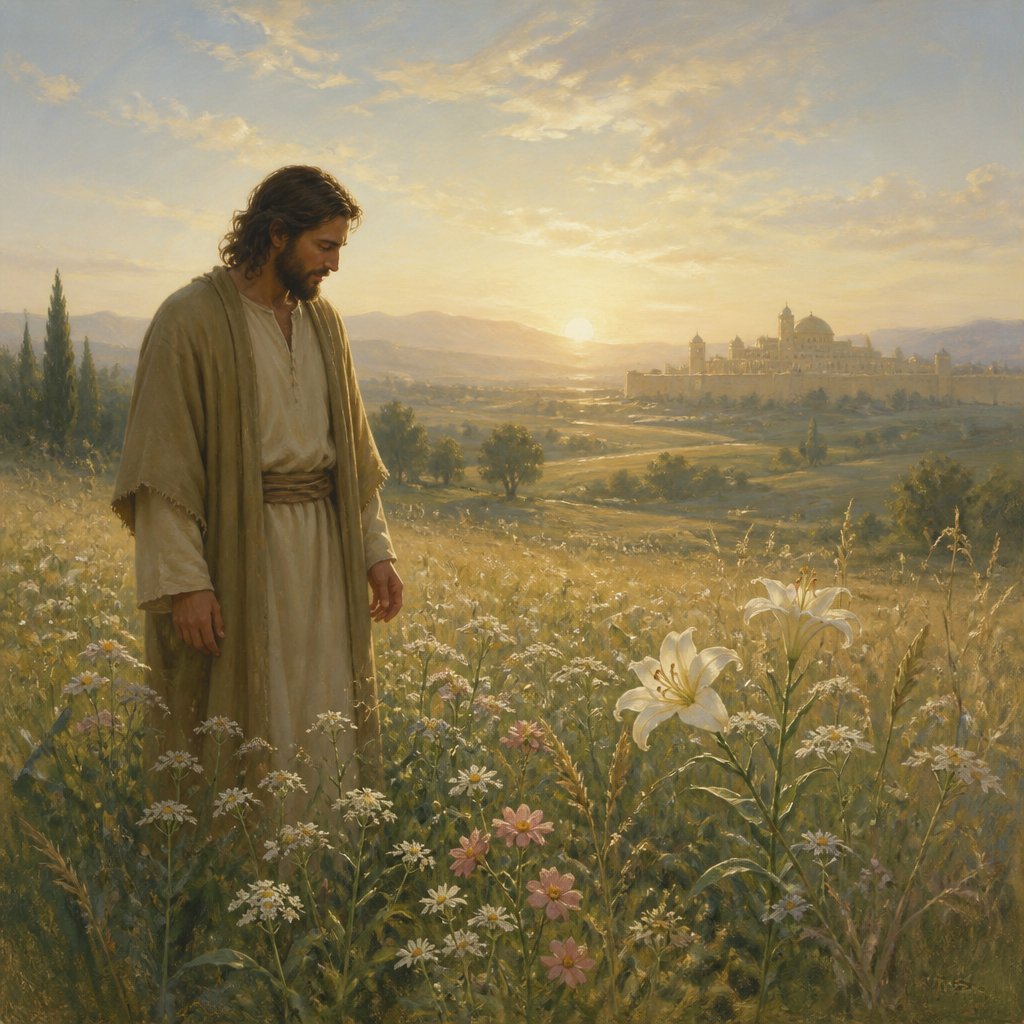
Matthew 6:28-30 in the King James Version of the Bible reads:
"And why take ye thought for raiment? Consider the lilies of the field, how they grow; they toil not, neither do they spin: and yet I say unto you, That even Solomon in all his glory was not arrayed like one of these. Wherefore, if God so clothe the grass of the field, which to day is, and to morrow is cast into the oven, shall he not much more clothe you, O ye of little faith?"
This passage is part of Jesus' famous Sermon on the Mount, where he teaches his disciples and the crowds gathered about various aspects of Christian living. In these verses, Jesus addresses the issue of worrying about material possessions, specifically clothing, and uses the metaphor of the lilies of the field to illustrate his point.
The theme of this passage is the contrast between human anxiety and divine providence. Jesus encourages his followers not to worry about their material needs, such as food and clothing, because God is aware of these needs and will provide for them. By using the example of the lilies of the field, which grow and flourish without any human effort, Jesus highlights the idea that God's provision is abundant and sufficient for his creation. The emphasis is on trust in God's care and ability to meet our needs, rather than on our own efforts and concerns.
The context of this passage is important for understanding its meaning. Jesus is addressing a crowd of people who would have been familiar with the agricultural and natural world. By referencing the lilies of the field, Jesus is speaking to them in a language that is accessible and relatable. This makes his message about trust in God's provision even more powerful, as it is grounded in the everyday experiences of his audience.
The symbolism of the lilies of the field is significant. In ancient Jewish culture, lilies were often associated with beauty, purity, and abundance. By using this imagery, Jesus is drawing attention to the beauty and abundance of God's creation, and the lavish care that God provides for even the most fleeting and seemingly insignificant parts of the natural world. This serves as a reminder to his followers that God's care extends to them as well, and they do not need to worry about their material needs.
Furthermore, the reference to King Solomon in verse 29 adds another layer of significance to the passage. Solomon was known for his great wealth and luxurious clothing, yet Jesus states that even Solomon in all his glory was not arrayed like one of the lilies of the field. This comparison emphasizes the fleeting nature of human wealth and status, as well as the surpassing beauty and provision of God's creation.
The phrase "O ye of little faith" in verse 30 is a gentle rebuke from Jesus to his followers. It is a reminder that worry and anxiety about material needs stem from a lack of trust in God's provision. Jesus encourages his followers to have faith in God's care for them, and to shift their focus from earthly concerns to the kingdom of God.
In conclusion, Matthew 6:28-30 is a powerful and comforting message from Jesus about trusting in God's provision and care. By using the metaphor of the lilies of the field, Jesus communicates the idea that God's care for his creation is abundant and lavish, and extends to even the most basic needs of his followers. This passage encourages us to shift our focus from earthly worries to the kingdom of God, and to have faith in God's ability to provide for us. It is a timeless message that continues to resonate with Christians today, reminding us to trust in God's abundant provision and care for us.
Get our apps


Artwork for Matthew 6:28-30

Matthew 6:28-30 - "And why do you worry about clothes? See how the flowers of the field grow. They do not labor or spin. Yet I tell you that not even Solomon in all his splendor was dressed like one of these. If that is how God clothes the grass of the field, which is here today and tomorrow is thrown into the fire, will he not much more clothe you—you of little faith?"
"And why do you worry about clothes? See how the flowers of the field grow. They do not labor or spin. Yet I tell you that not even Solomon in all his splendor was dressed like one of these. If that is how God clothes the grass of the field, which is here today and tomorrow is thrown into the fire, will he not much more clothe you—you of little faith?" - Matthew 6:28-30

Matthew 6:30

Matthew 6:28 - "And why take ye thought for raiment? Consider the lilies of the field, how they grow; they toil not, neither do they spin:"

Matthew 28:6 - "He is not here: for he is risen, as he said. Come, see the place where the Lord lay."

"Wherefore, if God so clothe the grass of the field, which to day is, and to morrow is cast into the oven, shall he not much more clothe you, O ye of little faith?" - Matthew 6:30

Matthew 6:30 - "Wherefore, if God so clothe the grass of the field, which to day is, and to morrow is cast into the oven, shall he not much more clothe you, O ye of little faith?"
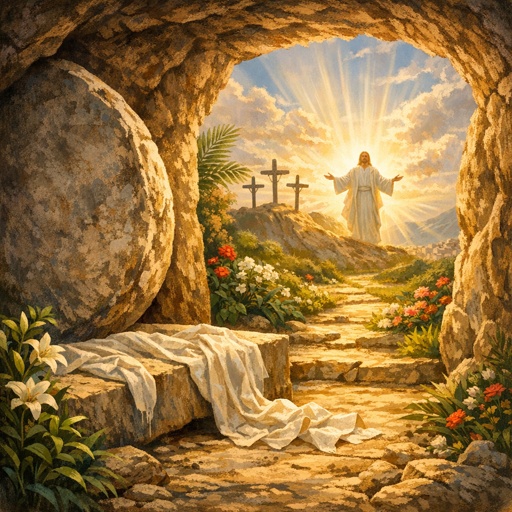
"He is not here: for he is risen, as he said. Come, see the place where the Lord lay." - Matthew 28:6

Job 30:28

Job 30:28

Job 30:28

Job 30:28

Job 30:28

Exodus 28:30-43

Exodus 28:15-30

Matthew 6:28-29 - "And why do you worry about clothes? See how the flowers of the field grow. They do not labor or spin. Yet I tell you that not even Solomon in all his splendor was dressed like one of these."

Matthew 11:28-30 - "Come to me, all you who are weary and burdened, and I will give you rest. Take my yoke upon you and learn from me, for I am gentle and humble in heart, and you will find rest for your souls. For my yoke is easy and my burden is light."
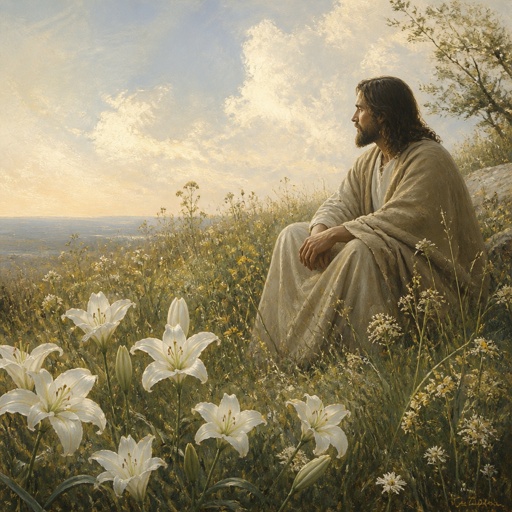
"And why take ye thought for raiment? Consider the lilies of the field, how they grow; they toil not, neither do they spin:" - Matthew 6:28

Matthew 5:30

Matthew 5:30
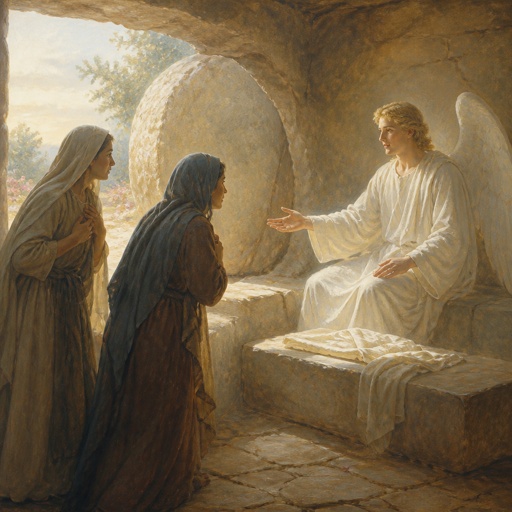
"He is not here: for he is risen, as he said. Come, see the place where the Lord lay." - Matthew 28:6

Numbers 28:30 - "And one kid of the goats, to make an atonement for you."

Jeremiah 52:28-30 - "Jeremiah 52:28-30: 28 This is the people whom Nebuchadrezzar carried away captive: in the seventh year three thousand Jews and three and twenty: 29 In the eighteenth year of Nebuchadrezzar he carried away captive from Jerusalem eight hundred thirty and two persons: 30 In the three and twentieth year of Nebuchadrezzar Nebuzaradan the captain of the guard carried away captive of the Jews seven hundred forty and five persons: all the persons were four thousand and six hundred."

Matthew 28:5-6 - "The angel said to the women, “Do not be afraid, for I know that you are looking for Jesus, who was crucified. He is not here; he has risen, just as he said. Come and see the place where he lay."

matthew 28:19

matthew 28:19

MATTHEW 28: 23

Matthew 24:30-31

Matthew 24:30-31

Matthew 24:30-31