What does Matthew 6:8 mean?
“Be not ye therefore like unto them: for your Father knoweth what things ye have need of, before ye ask him.” — Matthew 6:8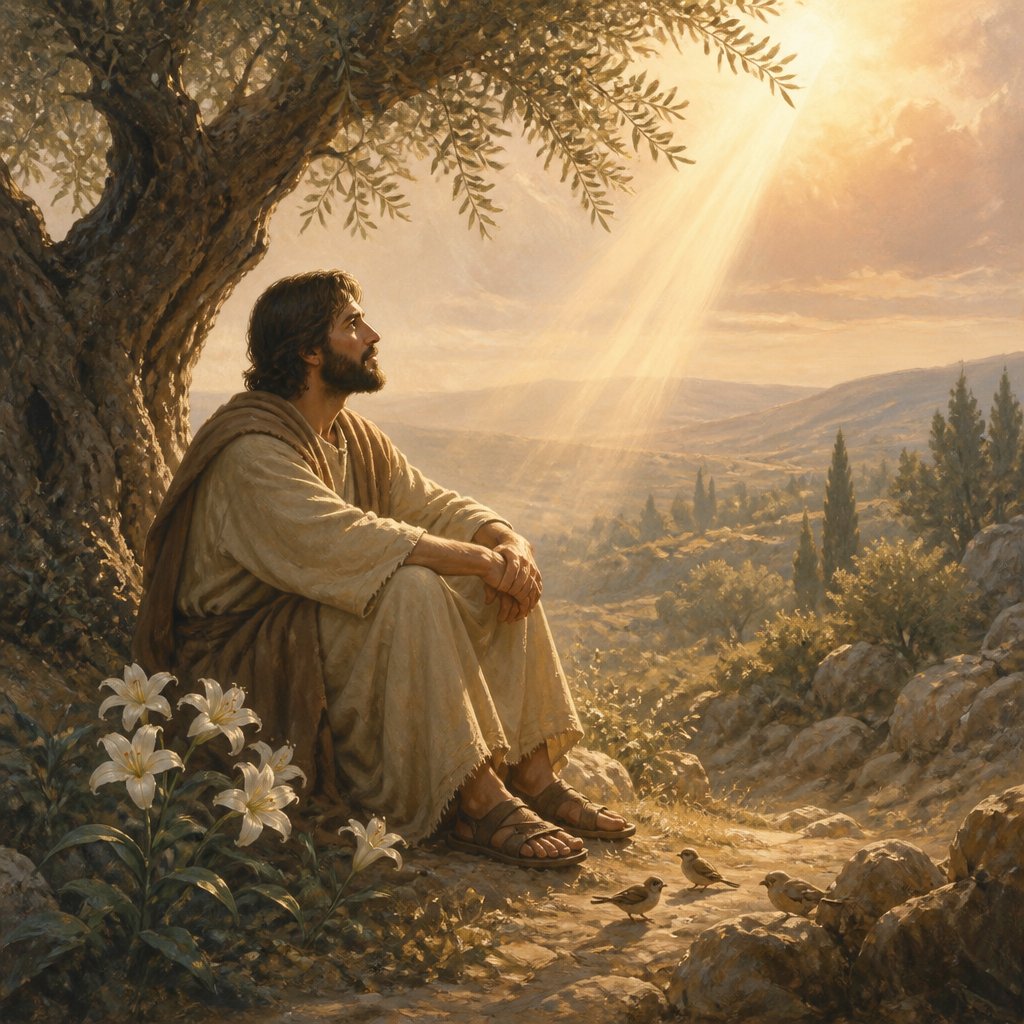
Matthew 6:8 KJV - "Be not ye therefore like unto them: for your Father knoweth what things ye have need of, before ye ask him."
In this verse, Jesus is speaking to his disciples, cautioning them against the hypocritical practices of the religious leaders of the time. He tells them not to be like the Pharisees, who were known for their public displays of piety and their lengthy, repetitive prayers. Instead, Jesus encourages his followers to pray with sincerity and humility, knowing that God already knows their needs before they even ask.
This verse is part of Jesus' Sermon on the Mount, in which he teaches his disciples about the principles of the Kingdom of God. Throughout this sermon, Jesus challenges the traditional practices and beliefs of the Jewish religious leaders, emphasizing the importance of inward righteousness and genuine faith. In this particular verse, Jesus is addressing the nature of prayer and encouraging his followers to approach God with honesty and trust, rather than with empty, performative rituals.
The context of this verse is important for understanding its significance. In the preceding verses, Jesus warns against praying like the hypocrites, who pray in public to be seen by others and to gain their approval. He contrasts this with the practice of praying in private, where one can express genuine and heartfelt petitions to God without seeking the attention or approval of others. Jesus emphasizes the personal and intimate nature of prayer, as well as the understanding that God already knows our needs before we even articulate them.
The theme of this verse revolves around the concept of sincere prayer and the nature of God's knowledge and care for His people. The verse reassures believers that they can approach God with confidence, knowing that He understands their needs and is attentive to their prayers. It also serves as a reminder to avoid pretentious or self-serving forms of religious expression, and instead, to cultivate a genuine and personal relationship with God.
The imagery and symbolism in this verse lie in the contrast between the hypocritical prayers of the religious leaders and the authentic prayers of Jesus' followers. The Pharisees, with their public displays of piety and verbosity, represent empty religious practices that lack sincerity and true devotion. In contrast, Jesus calls his disciples to approach God as a loving and caring Father, who already knows their needs and desires. This imagery reinforces the idea that true prayer is not about performance or show, but about honesty and intimacy with God.
Furthermore, the verse also highlights the omniscience and providence of God. By affirming that God already knows our needs before we even ask, the verse underscores the idea that God is intimately involved in the lives of His people and is attentive to their concerns. This serves as a source of comfort and assurance for believers, knowing that they can trust in God's care and provision.
In conclusion, Matthew 6:8 KJV is a powerful reminder of the nature of sincere prayer and the attentive care of God for His people. Jesus' words challenge us to approach God with authenticity and trust, leaving behind any semblance of performative religiosity. This verse continues to inspire believers to cultivate a genuine and personal relationship with God, based on the confidence that He already knows our needs before we even utter them.
Get our apps


Artwork for Matthew 6:8

Matthew 6:8 - "Be not ye therefore like unto them: for your Father knoweth what things ye have need of, before ye ask him."
"Be not ye therefore like unto them: for your Father knoweth what things ye have need of, before ye ask him." - Matthew 6:8

Matthew 8:6 - "And saying, Lord, my servant lieth at home sick of the palsy, grievously tormented."

Matthew 6:6
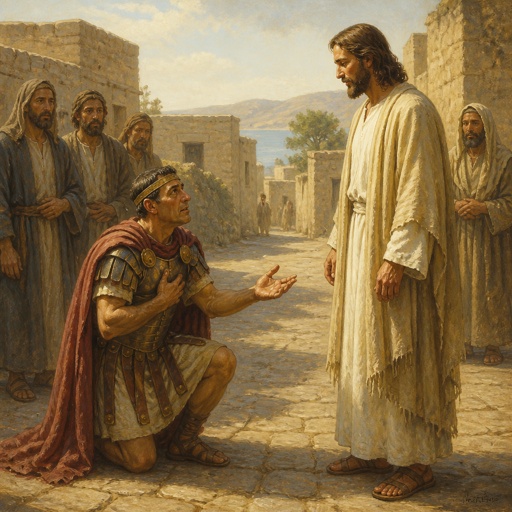
"And saying, Lord, my servant lieth at home sick of the palsy, grievously tormented." - Matthew 8:6

Matthew 8:13

Matthew 8:13

Matthew 8:13

Matthew 8:32

Matthew 8:32

Matthew 8:32

Matthew 6:23

Matthew 24:8

Matthew 18:6

Matthew 13:8

matthew 8:28

Matthew 6:34

Matthew 6:34

Matthew 18:6

Matthew 6:22

Matthew 6:18

Matthew 6:22

Matthew 6:14

Matthew 6:24

Matthew 6:30

Matthew 6:5

Matthew 6:24

Matthew 6:2

Matthew 6:2

Matthew 6:2