What does Matthew 7:3 mean?
"And why beholdest thou the mote that is in thy brother's eye, but considerest not the beam that is in thine own eye?" - Matthew 7:3
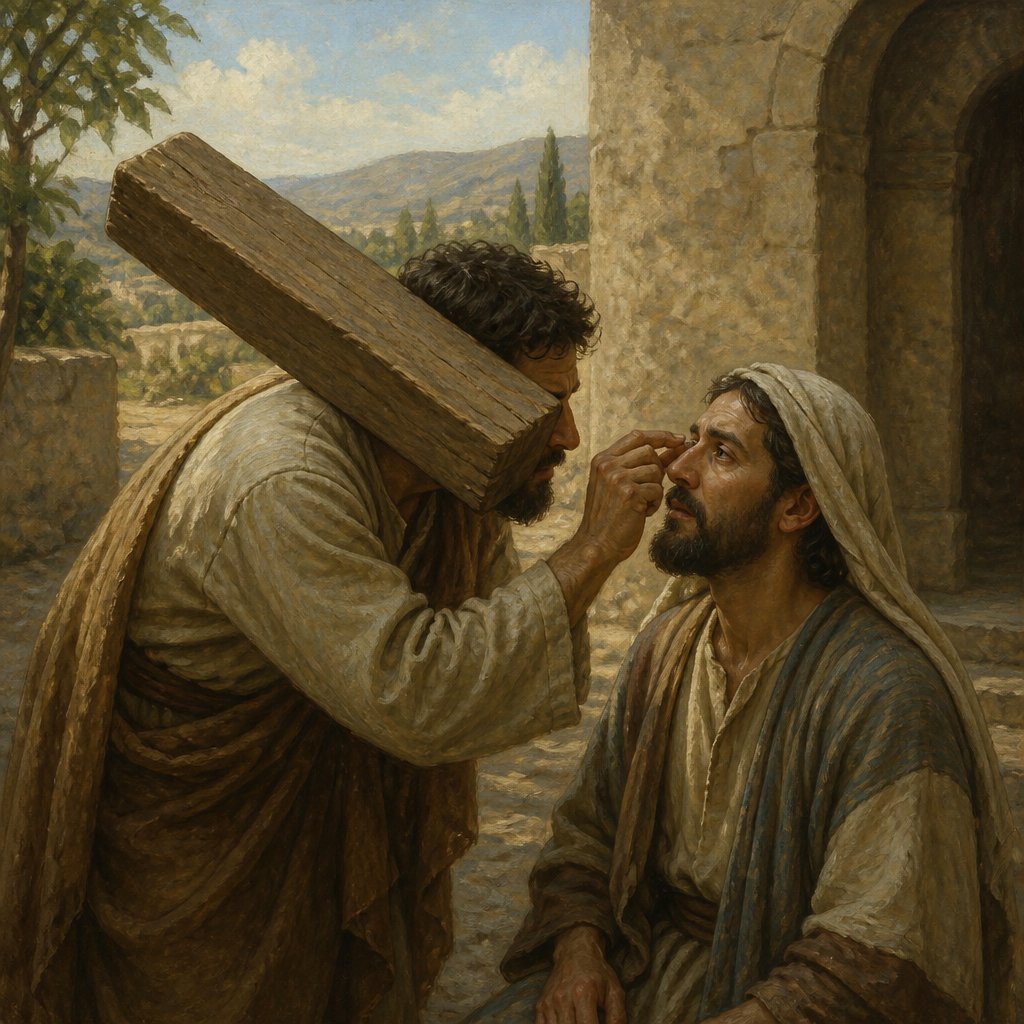
"Matthew 7:3 (KJV) - And why beholdest thou the mote that is in thy brother's eye, but considerest not the beam that is in thine own eye?"
This verse is a part of the Sermon on the Mount, a collection of teachings by Jesus Christ found in the Gospel of Matthew. In this particular verse, Jesus is addressing the issue of hypocrisy and judgment. He uses the imagery of a small mote (a speck of dust or splinter) in someone else's eye and compares it to a large beam or plank in one's own eye. This powerful metaphor highlights the tendency of human beings to easily identify and criticize the faults of others while being blind to their own faults and shortcomings.
The broader context of Matthew 7:3 is crucial to fully understand its meaning and implications. The entire passage from Matthew 7:1-5 focuses on the theme of judging others. In the verses preceding and following, Jesus warns against judging others unfairly and hypocritically. He emphasizes the importance of self-reflection and personal accountability before attempting to correct others. As such, Matthew 7:3 serves as a call to humility, self-examination, and empathy.
One of the key themes in this verse is the idea of self-awareness and personal growth. By pointing out the absurdity of trying to remove a mote from someone else's eye while ignoring a beam in one's own eye, Jesus underscores the need for individuals to confront their own faults and biases before passing judgment on others. The verse urges people to engage in introspection and self-correction, recognizing that everyone is flawed and in need of self-improvement.
Moreover, the verse also speaks to the importance of empathy and understanding in our interactions with others. Rather than hastily condemning others for their mistakes or shortcomings, Jesus urges his followers to approach others with compassion and humility. By acknowledging our own faults and limitations, we are better equipped to offer genuine support and guidance to those around us.
The imagery of the mote and the beam is rich in symbolism. The mote represents a small, insignificant flaw, while the beam symbolizes a significant and obvious flaw. Beyond their literal meanings, these symbols serve to illustrate the relative nature of judgment. What may seem like a minor issue in someone else's life might be overshadowed by our own significant shortcomings. This symbolism underscores the need for perspective and understanding in our interactions with others.
In a broader theological context, Matthew 7:3 aligns with the Christian principle of grace and forgiveness. Rather than adopting a judgmental and self-righteous attitude, believers are called to extend grace to others, recognizing their own need for grace and forgiveness. This verse echoes the sentiment expressed in the Lord's Prayer, where Christians ask for forgiveness as they forgive others. It emphasizes the interconnectedness of human fallibility and the importance of mutual understanding and forgiveness.
In conclusion, Matthew 7:3 from the King James Version of the Bible delivers a timeless message of humility, empathy, and personal growth. By urging individuals to address their own faults before criticizing others, Jesus imparts a profound lesson in self-awareness and compassion. This verse challenges us to reflect on our attitudes towards others and encourages a spirit of understanding and forgiveness in our interactions. Ultimately, it invites us to embrace a mindset of grace and empathy, recognizing the shared human experience of imperfection and the need for mutual support and understanding.
Have questions about Matthew 7:3?
Dive deeper into this scripture with Bible Chat — an AI-powered tool for exploring God's Word through conversation. Ask questions, get context, and grow in your understanding of the Bible.
Get Our Apps


Matthew 7:3 Artwork

Matthew 7:3 - "And why beholdest thou the mote that is in thy brother's eye, but considerest not the beam that is in thine own eye?"

Matthew 7:3 And why do you look at the speck in your brother’s eye, but do not consider the plank in your own eye?
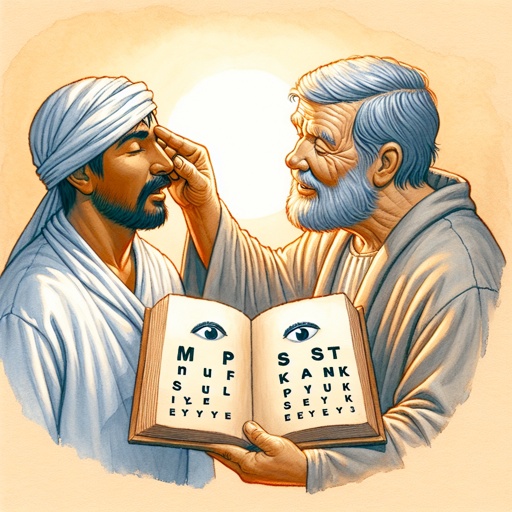
Matthew 7:3 And why do you look at the speck in your brother’s eye, but do not consider the plank in your own eye?

Matthew 7:3 And why do you look at the speck in your brother’s eye, but do not consider the plank in your own eye?
"And why beholdest thou the mote that is in thy brother's eye, but considerest not the beam that is in thine own eye?" - Matthew 7:3

Matthew 7:7

Matthew 3:7 - "¶ But when he saw many of the Pharisees and Sadducees come to his baptism, he said unto them, O generation of vipers, who hath warned you to flee from the wrath to come?"

Matthew 7:13-14

Matthew 7:13-14

Matthew 7:13-14

Matthew 7:13-14

Matthew 7:13-14

Matthew 7:13-14

Matthew 7:13-14

Matthew 7:13-14

Matthew 7:13-14

Matthew 7:13-14

Matthew 7:13-14

Matthew 3:11

Matthew 3:16

Matthew 3:11

Matthew 3:11

Matthew 3:11

Matthew 3:11

Matthew 3:16

Matthew 3:16

Matthew 3:11

Matthew 7:13

Matthew 7:12

Matthew 3:11-12