What does Matthew 7:16 mean?
“Ye shall know them by their fruits. Do men gather grapes of thorns, or figs of thistles?” — Matthew 7:16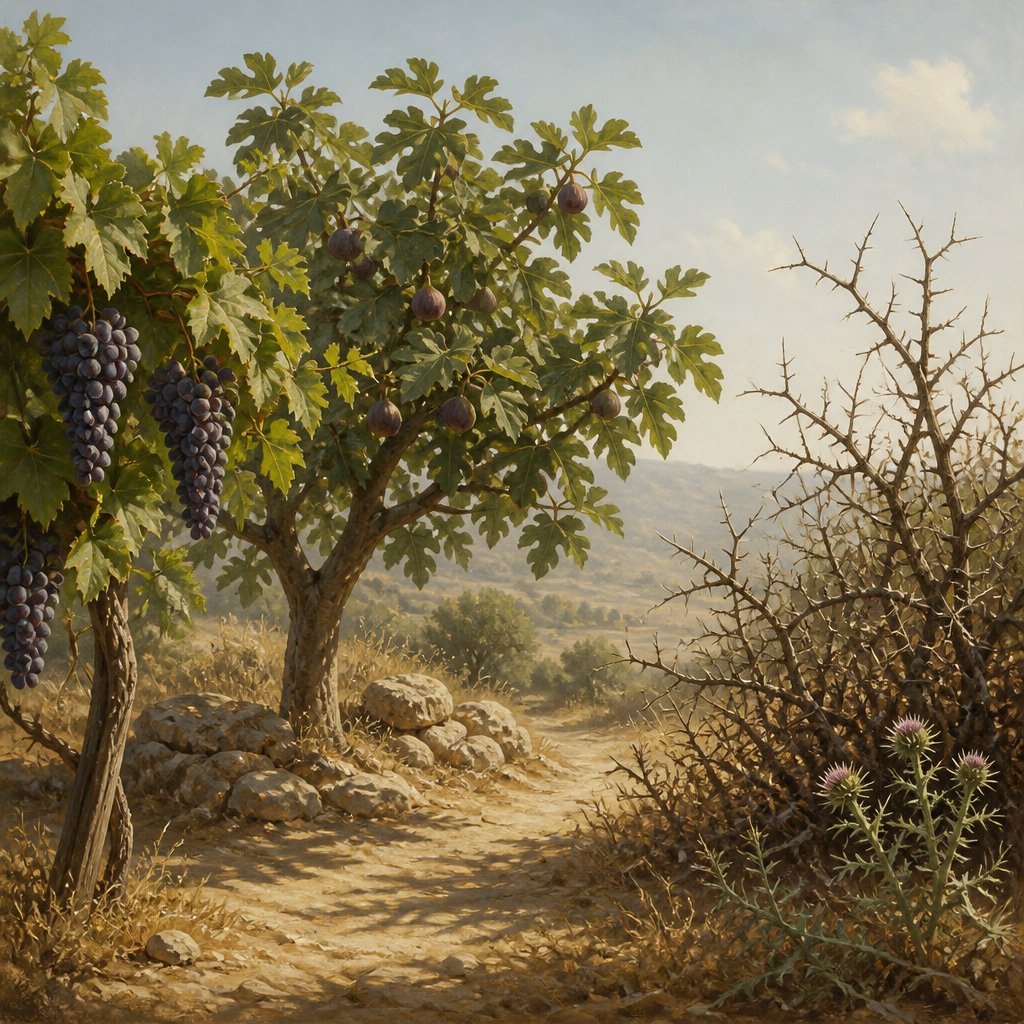
Matthew 7:16 in the King James Version of the Holy Bible reads, "Ye shall know them by their fruits. Do men gather grapes of thorns, or figs of thistles?" This verse is part of Jesus' Sermon on the Mount, in which he teaches his disciples and the multitude about various aspects of the Christian life and the Kingdom of Heaven.
In this particular verse, Jesus is using the analogy of fruit to teach an important lesson about discerning the true nature of individuals. He is instructing his followers to be wary of false prophets and to discern their true character by the "fruits" or the results of their actions.
The theme of this verse is about discernment and judging others based on their actions. Jesus is warning against false prophets who may appear righteous and holy on the outside but are actually deceitful and ungodly. This theme of discernment is also seen in other parts of the Bible, such as in 1 John 4:1, which admonishes believers to test the spirits and not believe every spirit, but to discern whether they are from God.
The context of this verse is important to understanding its meaning. At the time, Jesus was addressing a crowd of people who were hungry for spiritual guidance and wisdom. He was cautioning them to be cautious of those who claim to speak in the name of God but do not bear the fruits of righteousness and true faith.
The symbolism in this verse is profound and carries a powerful message. The "fruits" mentioned by Jesus symbolize the actions and behaviors of individuals, which are the outward manifestation of their inner character and beliefs. Just as a healthy tree produces good fruit and a diseased tree produces bad fruit, so too do true believers produce good works and virtues, while false prophets produce evil deeds and corrupt teachings.
Furthermore, the use of grapes, thorns, figs, and thistles in the analogy holds significance. Grapes and figs are considered valuable and desirable fruits, while thorns and thistles are considered unwanted and harmful. Jesus is emphasizing the stark contrast between good and evil, righteousness and unrighteousness, and true disciples of God and false prophets.
The lesson that Jesus is imparting through this verse is timeless and applicable to every generation. It serves as a warning to Christians to be discerning and to not be easily deceived by false teachings and fraudulent individuals. The importance of judging others by their actions rather than superficial appearances is crucial in maintaining the integrity and purity of the faith.
In conclusion, Matthew 7:16 from the King James Version of the Bible is a powerful and insightful verse that teaches the timeless lesson of discernment and the importance of judging others by their fruits. Its themes of discernment and judgment, its context within the Sermon on the Mount, and its symbolism of fruit and trees all contribute to its profound message about the true nature of individuals and the necessity of discerning their character based on their actions. This verse serves as a timeless reminder for believers to be vigilant and discerning in their interactions with others, and to uphold the integrity of the Christian faith.
Get our apps


Artwork for Matthew 7:16

Matthew 7:16 - "Ye shall know them by their fruits. Do men gather grapes of thorns, or figs of thistles?"
"Ye shall know them by their fruits. Do men gather grapes of thorns, or figs of thistles?" - Matthew 7:16

Matthew 16:7 - "And they reasoned among themselves, saying, It is because we have taken no bread."
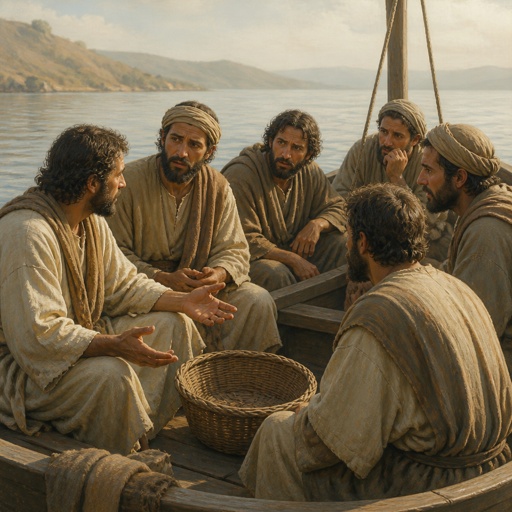
"And they reasoned among themselves, saying, It is because we have taken no bread." - Matthew 16:7

Matthew 3:16

Matthew 3:16

Matthew 3:16

Matthew 7:7

Matthew 16:25

Matthew 16:16 - "And Simon Peter answered and said, Thou art the Christ, the Son of the living God."

Matthew 7:13-14

Matthew 7:13-14

Matthew 7:13-14

Matthew 7:13-14

Matthew 7:13-14

Matthew 7:13-14

Matthew 7:13-14

Matthew 7:13-14

Matthew 7:13-14

Matthew 7:13-14

Matthew 7:13-14

Matthew 19:16-17

Matthew 27:16 - "And they had then a notable prisoner, called Barabbas."

Matthew 7:13

Matthew 7:12

Matthew 7:12

matthew 7:23

Matthew 12:16 - "And charged them that they should not make him known:"

Matthew 24:16 - "Then let them which be in Judaea flee into the mountains:"

Matthew 13:16 - "But blessed are your eyes, for they see: and your ears, for they hear."