What does Matthew 7:4 mean?
“Or how wilt thou say to thy brother, Let me pull out the mote out of thine eye; and, behold, a beam is in thine own eye?” — Matthew 7:4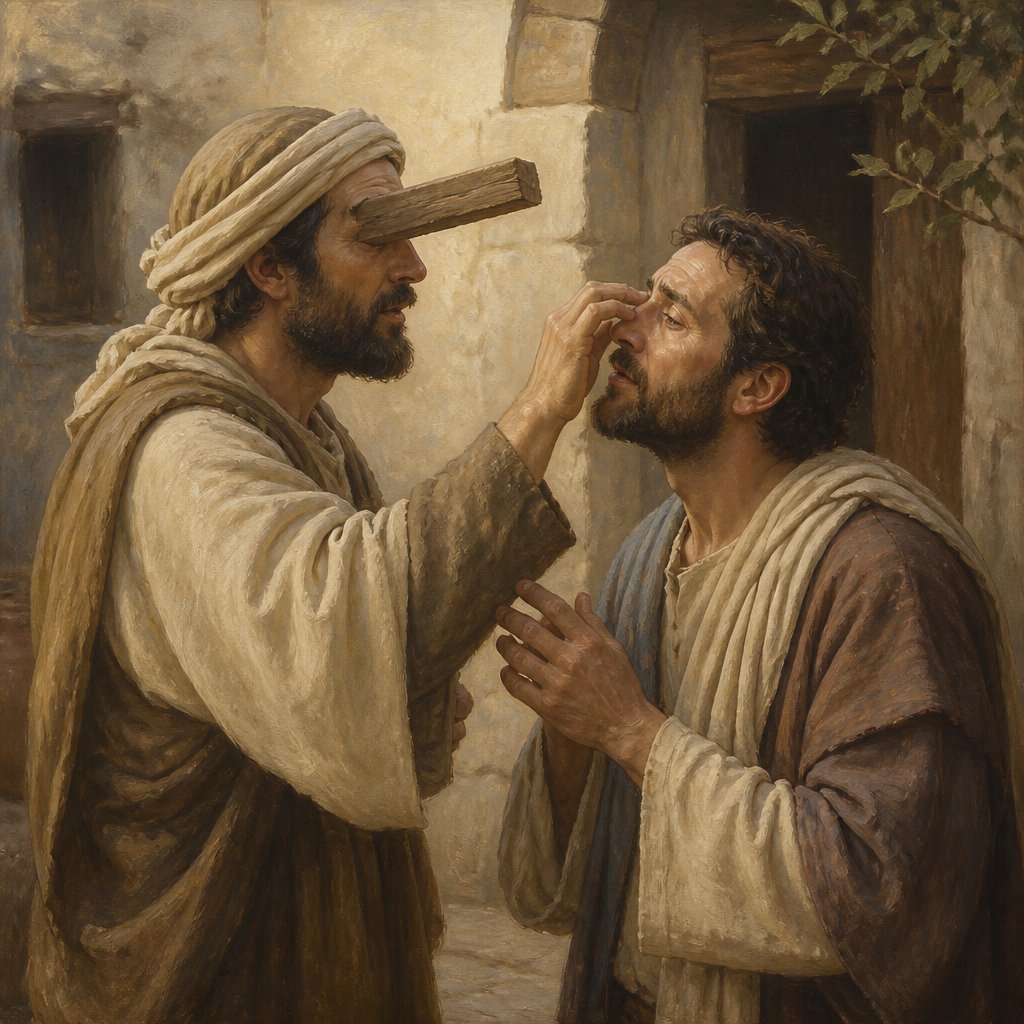
Matthew 7:4 - "Or how wilt thou say to thy brother, Let me pull out the mote out of thine eye; and, behold, a beam is in thine own eye?"
In this verse, Jesus is speaking to his disciples and the crowd gathered to hear him preach. He uses a metaphor to illustrate the importance of self-awareness and humility when it comes to judging others. The imagery of a small "mote" or speck of dust in someone else's eye, contrasted with a large "beam" or plank in one's own eye, serves as a powerful visual lesson on the dangers of hypocrisy and self-righteousness.
The theme of this verse is humility and self-examination. Jesus is warning against the tendency to judge others while ignoring one's own faults and failings. He is teaching his followers to take a critical look at themselves before attempting to correct others. This theme of humility and self-reflection is a common thread throughout the teachings of Jesus in the New Testament.
The context of this verse is important to understand its full meaning. In the preceding verses, Jesus is discussing the nature of judgment and the criteria by which individuals will be judged. He emphasizes the principle of treating others as you would like to be treated and warns against hypocrisy in judgment. This verse serves as a practical example of the principle Jesus is teaching, using a vivid image to drive home the point.
The symbolism in this verse is rich and thought-provoking. The "mote" in the eye symbolizes a minor fault or flaw in someone else, while the "beam" in one's own eye represents a major, potentially blinding, fault in oneself. This symbolism underscores the message of the verse, highlighting the absurdity of attempting to correct others while being blind to one's own faults. The image also suggests that our own failings can distort our perception and make it impossible to see clearly enough to help others.
Overall, this verse serves as a poignant reminder of the importance of self-awareness and humility in our interactions with others. It challenges us to first examine our own lives and attitudes before presuming to judge or correct others. The powerful imagery and straightforward language make this teaching accessible and applicable to all who hear it.
In a broader theological context, this verse also speaks to the universal human tendency towards self-righteousness and the need for introspection and humility. It echoes the teachings of other religious and philosophical traditions that emphasize the importance of self-awareness and non-judgment. In this sense, the verse has a timeless and universal relevance, transcending its original historical context.
In conclusion, Matthew 7:4 is a profound and impactful teaching from Jesus that challenges us to be humble and self-aware in our interactions with others. Its themes of humility, self-examination, and non-judgment are as relevant today as they were in the time of Jesus. The rich symbolism and powerful imagery of this verse make it a memorable and transformative lesson for all who encounter it.
Get our apps


Artwork for Matthew 7:4

Matthew 7:4 - "Or how wilt thou say to thy brother, Let me pull out the mote out of thine eye; and, behold, a beam is in thine own eye?"
"Or how wilt thou say to thy brother, Let me pull out the mote out of thine eye; and, behold, a beam is in thine own eye?" - Matthew 7:4

Matthew 4:7 - "Jesus said unto him, It is written again, Thou shalt not tempt the Lord thy God."

Matthew 21:21 Philippians 4:6-7 Ephesians 6:10-18 Put the words on the photo

Matthew 21:21 Philippians 4:6-7 Ephesians 6:10-18

Matthew 4:7… Jesus responded the scriptures also say you must not test the Lord your God

Matthew 7:7
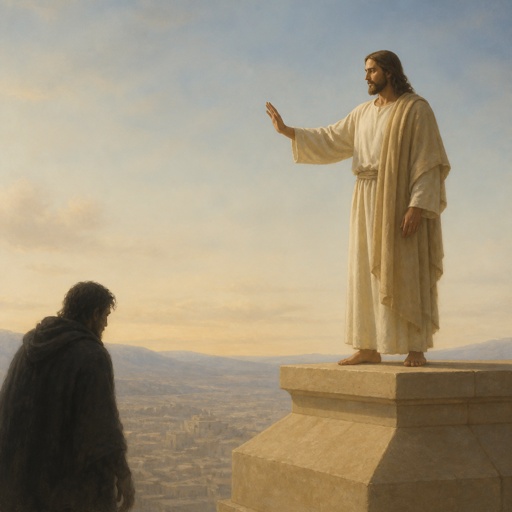
"Jesus said unto him, It is written again, Thou shalt not tempt the Lord thy God." - Matthew 4:7

Matthew 7:13-14

Matthew 7:13-14

Matthew 7:13-14

Matthew 7:13-14

Matthew 7:13-14

Matthew 7:13-14

Matthew 7:13-14

Matthew 7:13-14

Matthew 7:13-14

Matthew 7:13-14

Matthew 7:13-14

Matthew 7:13

Matthew 7:12

Matthew 7:12

matthew 7:23
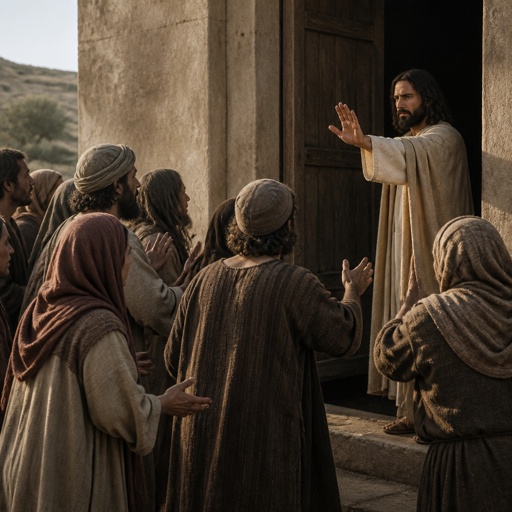
Matthew 7:21-23

Matthew 7:13-14

Matthew 7:13-14

Matthew 7:13-14

Matthew 7:13-14

Matthew 7:13-14

Matthew 7:13-14