What does Matthew 7:9-11 mean?
“Or what man is there of you, whom if his son ask bread, will he give him a stone? Or if he ask a fish, will he give him a serpent? If ye then, being evil, know how to give good gifts unto your children, how much more shall your Father which is in heaven give good things to them that ask him?” — Matthew 7:9-11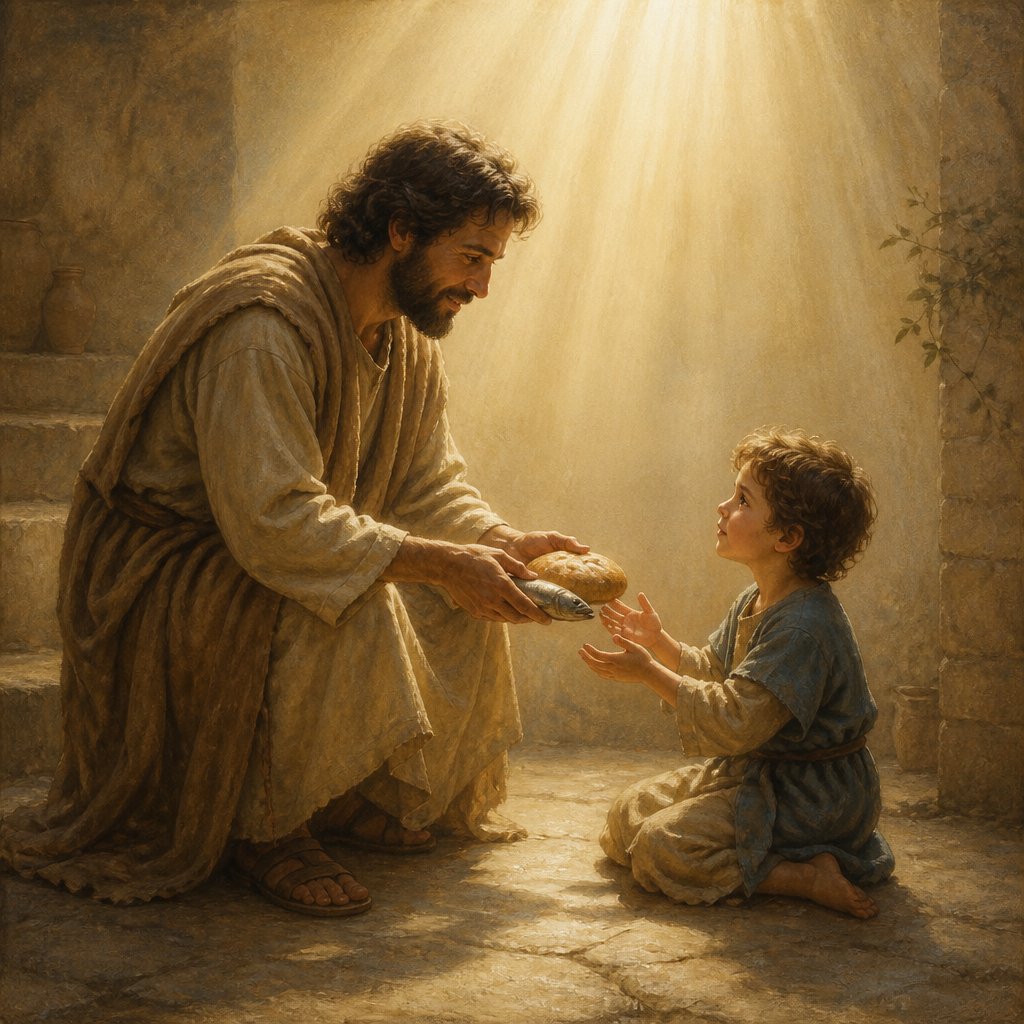
The Bible verse Matthew 7:9-11 from the King James Version (KJV) reads: "Or what man is there of you, whom if his son ask bread, will he give him a stone? Or if he ask a fish, will he give him a serpent? If ye then, being evil, know how to give good gifts unto your children, how much more shall your Father which is in heaven give good things to them that ask him?"
This passage comes from the Sermon on the Mount, which is a collection of teachings and sayings of Jesus that are found in the Gospel of Matthew. In this particular passage, Jesus is using the example of a father and his children to illustrate the nature of God and His willingness to give good gifts to those who ask.
The overall theme of this passage is the loving and caring nature of God as a Father. Jesus is drawing a parallel between earthly fathers and our Heavenly Father to demonstrate how much more God desires to give good things to His children. The passage also addresses the issues of trust, faith, and the goodness of God, which are all central themes in the teachings of Jesus.
In the context of the Sermon on the Mount, this passage comes as part of Jesus’ exhortation to his followers on the importance of seeking first the kingdom of God and trusting in God’s provision. Jesus has just finished talking about prayer and the need to ask, seek, and knock, assuring his followers that God will answer and provide for them. This passage serves to further emphasize the faithfulness and generosity of God as a loving Father.
The passage begins with a rhetorical question, "Or what man is there of you, whom if his son ask bread, will he give him a stone?" This question sets the stage for the following comparison between earthly fathers and our Heavenly Father. Bread and fish were considered staple foods in the ancient world, and giving a stone instead of bread or a serpent instead of fish would be a cruel and unthinkable act by a father. Jesus is highlighting the natural inclination of earthly fathers to give good gifts to their children, which is even more pronounced in the case of God.
The next verse, "If ye then, being evil, know how to give good gifts unto your children, how much more shall your Father which is in heaven give good things to them that ask him?" underscores the contrast between human nature (which Jesus characterizes as "evil") and the goodness of God. Despite our inherent sinful nature, Jesus is assuring his followers that if they, as earthly fathers, can give good gifts to their children, how much more will their Heavenly Father give good things to those who ask Him.
This passage holds a deep and powerful message about the nature of God and His love for us. It emphasizes the unwavering love and care that God has for His children. It also speaks to the significance of faith and trust in God’s provision. The passage encourages believers to have confidence in the goodness and faithfulness of God, and to rely on Him for their needs. It teaches that God is not indifferent to our requests, but rather, is eager to provide for our needs.
In terms of symbolism, the passage symbolizes the relationship between a loving father and his children. The imagery of a father giving good gifts to his children is used to convey the abundance of God’s love and provision for His children. The contrast between earthly fathers and our Heavenly Father serves to highlight the immeasurable love and care that God has for His people.
In conclusion, Matthew 7:9-11 from the King James Version (KJV) conveys an important message about the nature of God as a loving and caring Father. It emphasizes the faithfulness and generosity of God and encourages believers to trust in Him for their needs. The passage is rich in themes of love, trust, and the goodness of God, and its message continues to be a source of encouragement and hope for believers today.
Get our apps


Artwork for Matthew 7:9-11

Matthew 7:9-11 - "Or what man is there of you, whom if his son ask bread, will he give him a stone? Or if he ask a fish, will he give him a serpent? If ye then, being evil, know how to give good gifts unto your children, how much more shall your Father which is in heaven give good things to them that ask him?"
"Or what man is there of you, whom if his son ask bread, will he give him a stone? Or if he ask a fish, will he give him a serpent? If ye then, being evil, know how to give good gifts unto your children, how much more shall your Father which is in heaven give good things to them that ask him?" - Matthew 7:9-11

Matthew 9:7 - "And he arose, and departed to his house."

Matthew 7:9 - "Or what man is there of you, whom if his son ask bread, will he give him a stone?"
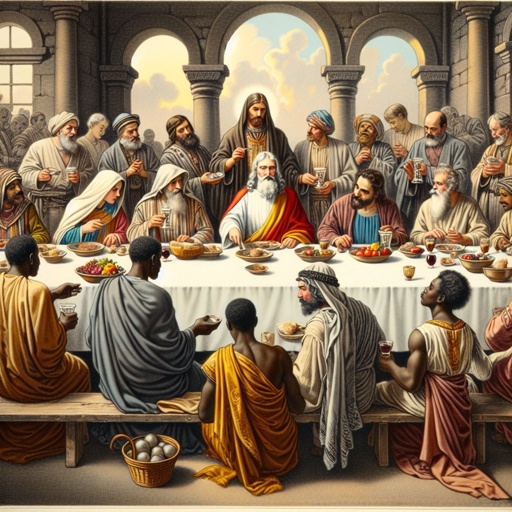
Matthew 9:11 - "And when the Pharisees saw it, they said unto his disciples, Why eateth your Master with publicans and sinners?"
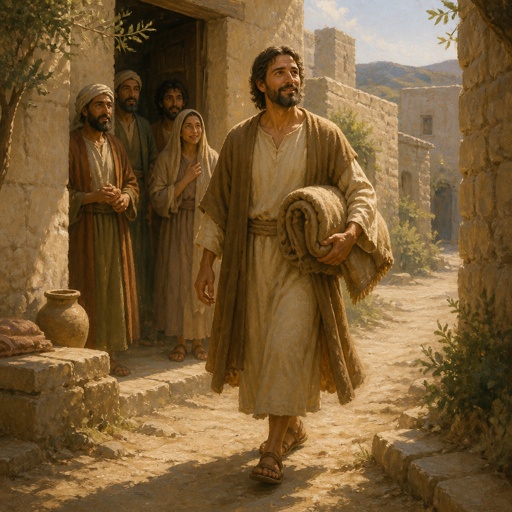
"And he arose, and departed to his house." - Matthew 9:7
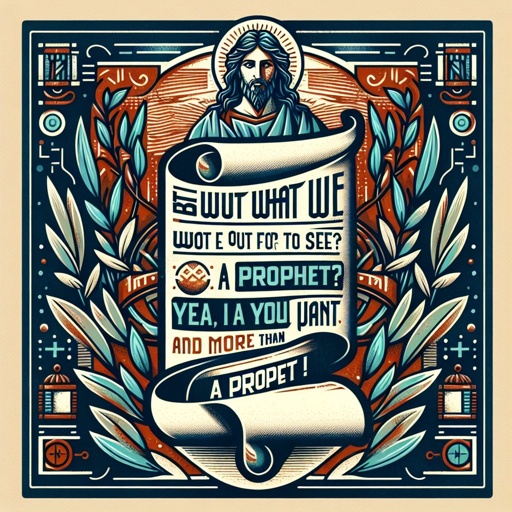
Matthew 11:9 - "But what went ye out for to see? A prophet? yea, I say unto you, and more than a prophet."

Matthew 11:7 - "¶ And as they departed, Jesus began to say unto the multitudes concerning John, What went ye out into the wilderness to see? A reed shaken with the wind?"

Matthew 7:9-10 - "Or what man is there of you, whom if his son ask bread, will he give him a stone? Or if he ask a fish, will he give him a serpent?"

Matthew 7:7

Daniel 7: 9-10

Daniel 7:9-10

Daniel 7:9-10
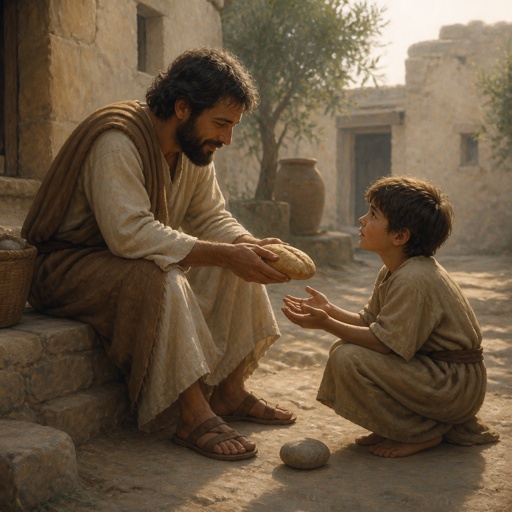
"Or what man is there of you, whom if his son ask bread, will he give him a stone?" - Matthew 7:9

Daniel 7:9-10

Matthew 7:24-27
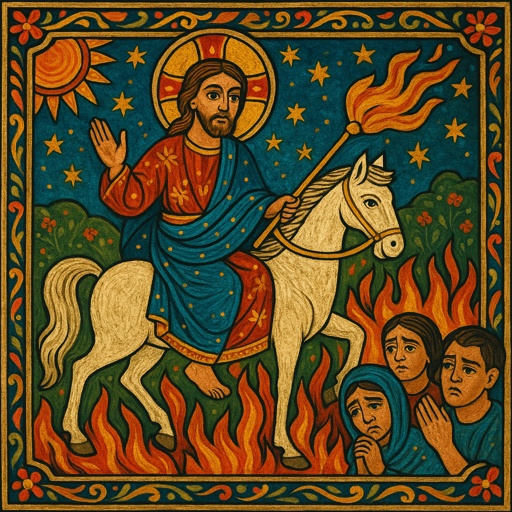
2 Thessalonians 1:7-9
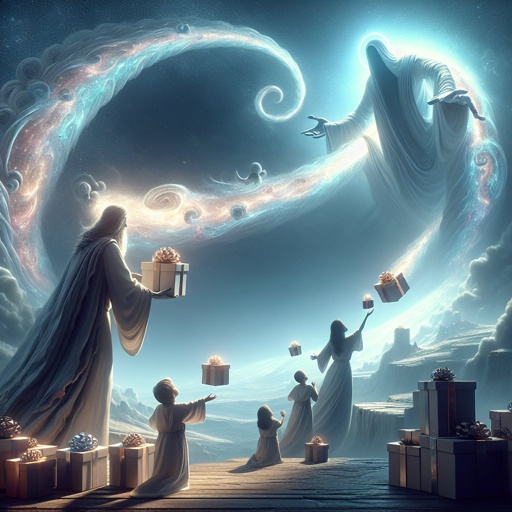
Matthew 7:11 - "If ye then, being evil, know how to give good gifts unto your children, how much more shall your Father which is in heaven give good things to them that ask him?"

Matthew 5:3-11 - "3 “Blessed are the poor in spirit, for theirs is the kingdom of heaven. 4 Blessed are those who mourn, for they will be comforted. 5 Blessed are the meek, for they will inherit the earth. 6 Blessed are those who hunger and thirst for righteousness, for they will be filled. 7 Blessed are the merciful, for they will be shown mercy. 8 Blessed are the pure in heart, for they will see God. 9 Blessed are the peacemakers, for they will be called children of God. 10 Blessed are those who are persecuted because of righteousness, for theirs is the kingdom of heaven. 11 Blessed are you when people insult you, persecute you and falsely say all kinds of evil against you because of me."

Matthew 3:11

Matthew 3:11

Matthew 3:11

Matthew 3:11

Matthew 3:11
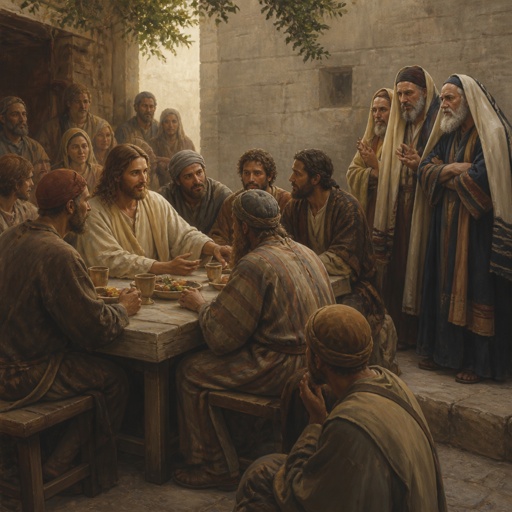
"And when the Pharisees saw it, they said unto his disciples, Why eateth your Master with publicans and sinners?" - Matthew 9:11

Matthew 3:11

Matthew 9:21

Matthew 3:11-12

Matthew 3:11-12

Matthew 9:21-22