What does Matthew 8:16-17 mean?
“When the even was come, they brought unto him many that were possessed with devils: and he cast out the spirits with his word, and healed all that were sick: That it might be fulfilled which was spoken by Esaias the prophet, saying, Himself took our infirmities, and bare our sicknesses.” — Matthew 8:16-17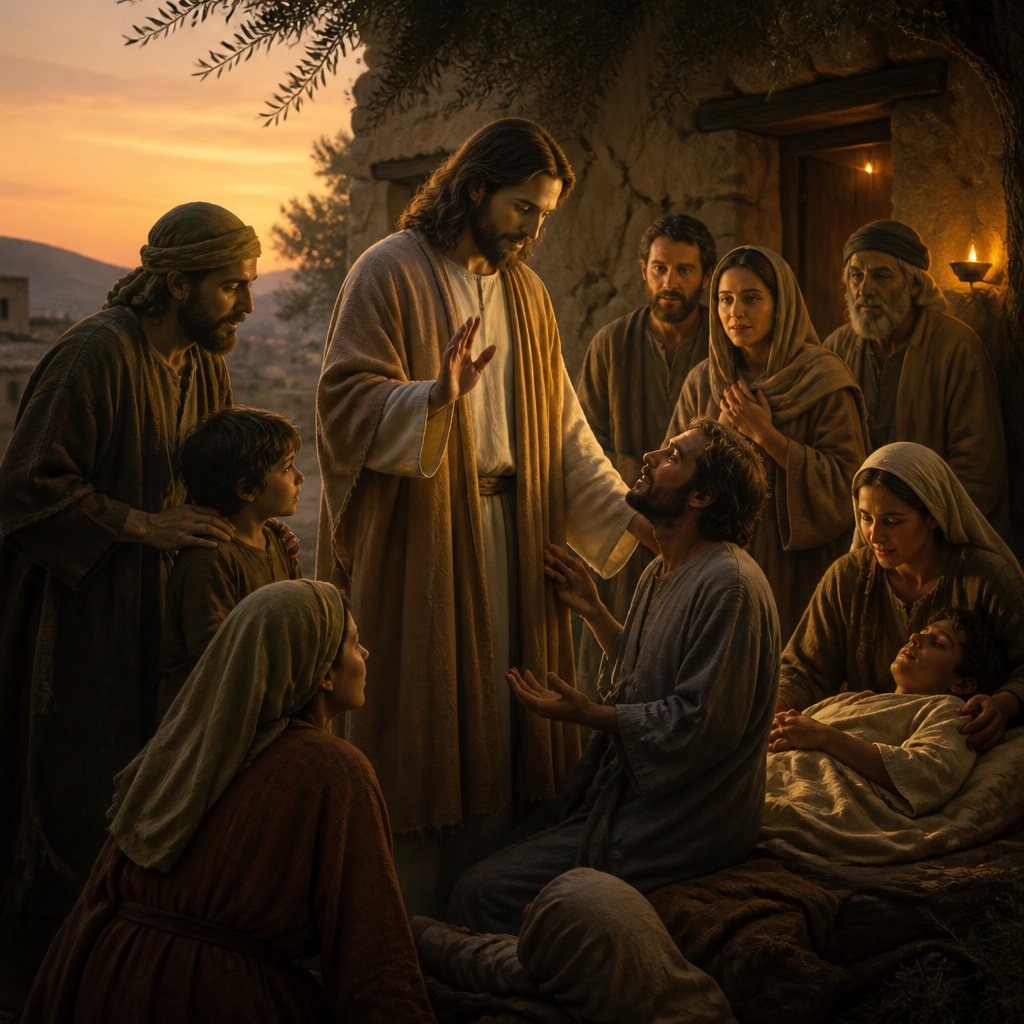
Matthew 8:16-17 in the King James Version (KJV) of the Bible reads as follows:
"When the even was come, they brought unto him many that were possessed with devils: and he cast out the spirits with his word, and healed all that were sick:
That it might be fulfilled which was spoken by Esaias the prophet, saying, Himself took our infirmities, and bare our sicknesses."
This passage comes immediately after Jesus had finished teaching on the mountainside and had come down into the town of Capernaum. It was here that the people brought to Him countless individuals who were demon-possessed and sick with various ailments. Matthew's language suggests that there was a sense of urgency as they brought the afflicted to Jesus, waiting for evening to come so that they could present their needs to Him.
The first verse of this passage showcases Jesus' divine power and authority over evil spirits. He was able to cast out these spirits with a simple word, demonstrating His sovereignty over the spiritual world. This act of exorcism also highlights Jesus' compassion and concern for those who were suffering under the influence of demonic oppression. His willingness to engage and deliver those who were possessed with devils is a clear demonstration of His love and care for those who are afflicted and in need of healing.
In the second verse, Matthew refers to a prophecy from the book of Isaiah (53:4), which speaks of the suffering servant who would bear the burdens of humanity. This prophecy ties in with the healing ministry of Jesus, as it points to the fact that His ultimate purpose was to bear the sins and infirmities of humanity on the cross. By quoting this prophecy, Matthew is indicating that Jesus’ acts of healing were not just for the physical well-being of those who were sick, but were also meant to point to a greater spiritual truth – that Jesus came to bear the spiritual infirmities and sicknesses of humanity through His ultimate sacrifice on the cross.
This passage emphasizes Jesus' role as the divine healer and savior. It is significant in its portrayal of Jesus' ability to heal both physical and spiritual ailments, as well as His compassion for those who are suffering. It also underscores the fulfillment of Old Testament prophecies in the ministry of Jesus, linking His actions to the overarching redemptive plan of God.
One of the central themes of this passage is the authority and power of Jesus. Throughout the Gospels, Jesus is depicted as having authority over sickness, disease, and evil spirits. This authority is a central aspect of His identity as the Son of God, and it sets Him apart as a unique figure in human history. The passage also highlights Jesus' compassion and love for humanity, as seen in His willingness to engage with and heal those who were suffering.
The context of this passage is also important to consider. Capernaum was a town where Jesus performed many miracles and acts of healing, and this event would have further solidified His reputation as a miraculous healer. It also occurred in the midst of Jesus' teaching and ministry, further reinforcing the message that His mission was not only to teach and proclaim the kingdom of God, but also to bring about physical and spiritual healing.
In terms of symbolism, this passage serves as a microcosm of Jesus' larger ministry. His acts of healing and exorcism were not isolated incidents, but were symbolic of His larger mission to bring wholeness and redemption to humanity. The casting out of demons and healing of the sick pointed to the greater spiritual reality of the kingdom of God breaking into the world through Jesus' ministry.
In conclusion, Matthew 8:16-17 is a powerful demonstration of Jesus' authority, compassion, and fulfillment of Old Testament prophecies. It emphasizes His role as the divine healer and savior, and serves as a testament to His ultimate purpose in bearing the infirmities and sins of humanity. This passage holds deep significance within the broader narrative of Jesus' ministry and provides a clear insight into His divine nature and redemptive mission.
Get our apps


Artwork for Matthew 8:16-17

Matthew 8:16-17 - "When evening came, many who were demon-possessed were brought to him, and he drove out the spirits with a word and healed all the sick. This was to fulfill what was spoken through the prophet Isaiah: "He took up our infirmities and bore our diseases.""
"When evening came, many who were demon-possessed were brought to him, and he drove out the spirits with a word and healed all the sick. This was to fulfill what was spoken through the prophet Isaiah: "He took up our infirmities and bore our diseases."" - Matthew 8:16-17

Matthew 19:16-17

Matthew 17:16 - "And I brought him to thy disciples, and they could not cure him."

Matthew 17:8 - "And when they had lifted up their eyes, they saw no man, save Jesus only."

Matthew 8:17 - "That it might be fulfilled which was spoken by Esaias the prophet, saying, Himself took our infirmities, and bare our sicknesses."

Matthew 8:16 - "¶ When the even was come, they brought unto him many that were possessed with devils: and he cast out the spirits with his word, and healed all that were sick:"
"And I brought him to thy disciples, and they could not cure him." - Matthew 17:16

Matthew 16:17 - "And Jesus answered and said unto him, Blessed art thou, Simon Bar-jona: for flesh and blood hath not revealed it unto thee, but my Father which is in heaven."
"And when they had lifted up their eyes, they saw no man, save Jesus only." - Matthew 17:8

Matthew 11:16-17 - "But to what shall I compare this generation? It is like children sitting in the marketplaces and calling to their playmates, 'We played the flute for you, and you did not dance; we sang a dirge, and you did not mourn.'"

Matthew 16:8 - "Which when Jesus perceived, he said unto them, O ye of little faith, why reason ye among yourselves, because ye have brought no bread?"

Matthew 8:16 When evening had come, they brought to Him many who were demon-possessed. And He cast out the spirits with a word, and healed all who were sick,

Matthew 8:17 - "That it might be fulfilled which was spoken by Esaias the prophet, saying, Himself took our infirmities, and bare our sicknesses."

Matthew 17:17-18

Matthew 17:17-18

Matthew 3:16
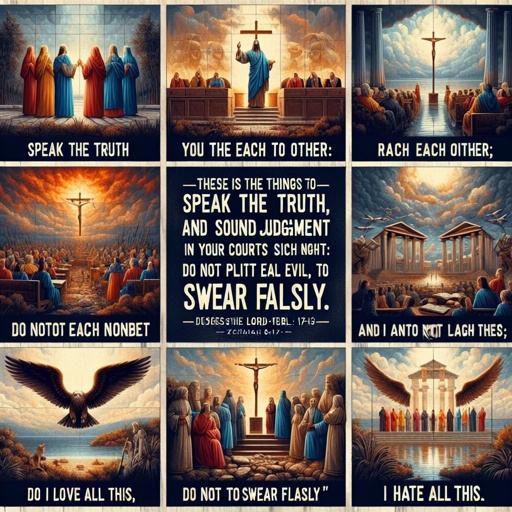
Zechariah 8:16-17 - "These are the things you are to do: Speak the truth to each other, and render true and sound judgment in your courts; do not plot evil against each other, and do not love to swear falsely. I hate all this,” declares the Lord."

Matthew 3:16

Matthew 3:16

Matthew 6:17

Matthew 17:20

Matthew 17:20
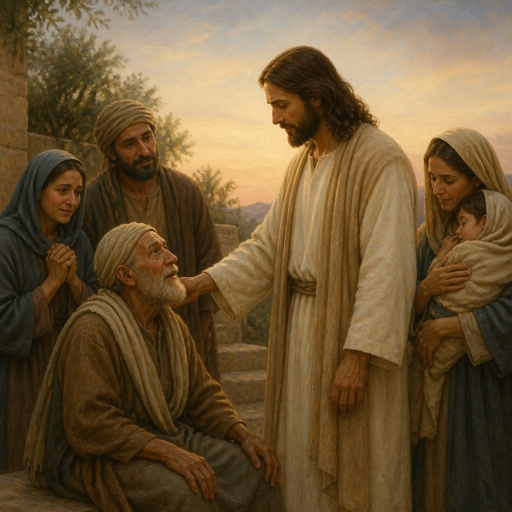
"That it might be fulfilled which was spoken by Esaias the prophet, saying, Himself took our infirmities, and bare our sicknesses." - Matthew 8:17

Matthew 16:25
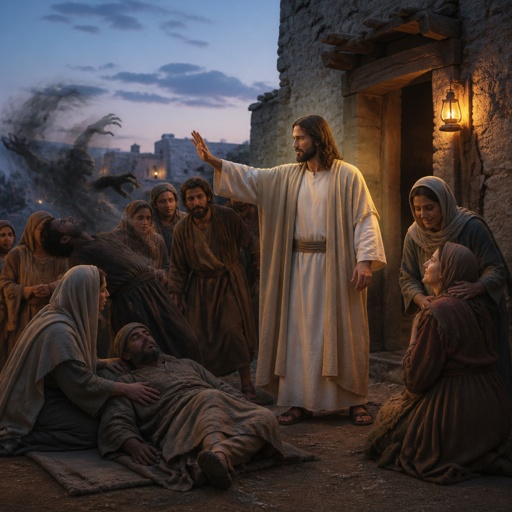
"¶ When the even was come, they brought unto him many that were possessed with devils: and he cast out the spirits with his word, and healed all that were sick:" - Matthew 8:16

Matthew 8:13

Matthew 8:13

Matthew 8:13

Matthew 8:32