What does Matthew 8:4 mean?
"And Jesus saith unto him, See thou tell no man; but go thy way, shew thyself to the priest, and offer the gift that Moses commanded, for a testimony unto them." - Matthew 8:4
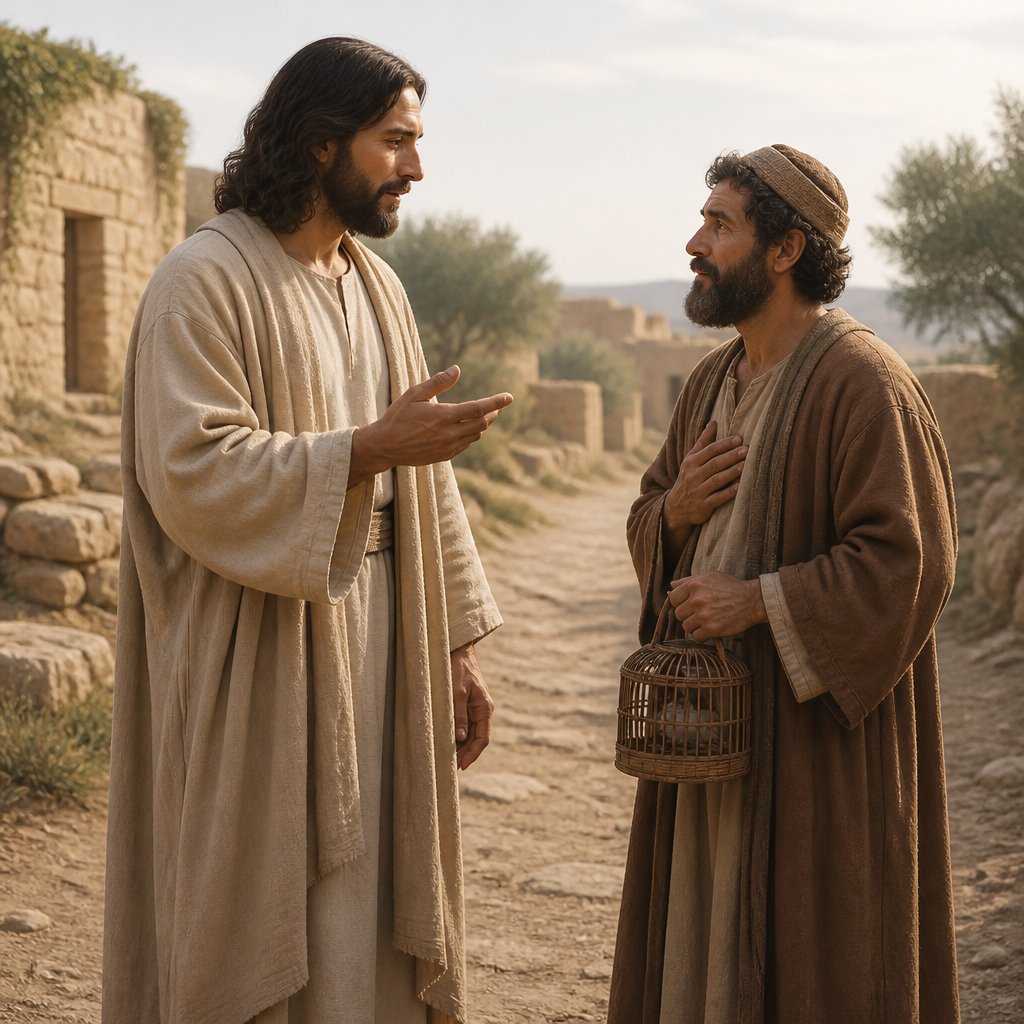
Matthew 8:4 in the King James Version of the Bible reads, "And Jesus saith unto him, See thou tell no man; but go thy way, shew thyself to the priest, and offer the gift that Moses commanded, for a testimony unto them." This verse occurs in the context of Jesus healing a man with leprosy. This particular incident is rich in symbolism and holds significant meaning in the context of Jesus' mission and ministry.
The theme of healing and restoration is prominent in this verse. Leprosy was a highly stigmatized and debilitating disease in biblical times, and those afflicted with it were considered unclean and were often marginalized from society. By healing the leper, Jesus not only restored the man's physical health but also his social standing and dignity. This act of healing reflects Jesus' compassion and his desire to bring wholeness to those who are suffering.
Furthermore, the command for the healed leper to go and show himself to the priest and offer the gift that Moses commanded underscores the importance of obedience and adherence to the Mosaic law. This act was in accordance with the Levitical law outlined in Leviticus 14, which prescribed the rituals for declaring a leper cleansed. By adhering to these regulations, Jesus demonstrated his respect for the religious customs of the time and upheld the authority of the law.
The symbolism in this verse is profound. The healing of the leper can be seen as a metaphor for spiritual healing and redemption. In a broader sense, leprosy can be symbolic of the spiritual uncleanness and separation from God caused by sin. Through his miraculous healing, Jesus not only restores the physical health of the leper but also symbolically cleanses him from the impurity associated with his condition. This act serves as a powerful illustration of Jesus' ability to restore and purify the soul, offering reconciliation with God.
The instruction for the healed leper to show himself to the priest can also be seen as a symbol of the importance of seeking spiritual guidance and accountability. In biblical times, the role of the priest was to mediate between God and the people and to adjudicate matters related to ritual purity. By directing the leper to present himself to the priest, Jesus emphasizes the significance of seeking appropriate spiritual authority and guidance in matters of faith and practice.
In a broader theological context, this verse reinforces Jesus' role as the fulfillment of the law and the prophets. The requirement for the healed leper to offer the gift that Moses commanded points to Jesus' affirmation of the Mosaic law and his fulfillment of its requirements. This underscores Jesus' mission to bring about a new covenant and to establish a new way of righteousness through faith in him.
Overall, Matthew 8:4 conveys a profound message about Jesus' compassion, his authority to heal and restore, and his fulfillment of the law. The verse serves as a powerful reminder of Jesus' role as the ultimate source of healing and redemption, offering hope and restoration to all who come to him in faith. It also underscores the importance of obedience, seeking spiritual guidance, and recognizing Jesus as the ultimate fulfillment of God's redemptive plan.
Have questions about Matthew 8:4?
Dive deeper into this scripture with Bible Chat — an AI-powered tool for exploring God's Word through conversation. Ask questions, get context, and grow in your understanding of the Bible.
Get Our Apps


Matthew 8:4 Artwork

Matthew 8:4 - "And Jesus saith unto him, See thou tell no man; but go thy way, shew thyself to the priest, and offer the gift that Moses commanded, for a testimony unto them."
"And Jesus saith unto him, See thou tell no man; but go thy way, shew thyself to the priest, and offer the gift that Moses commanded, for a testimony unto them." - Matthew 8:4

Matthew 8:1-4

Matthew 4:8 - "Again, the devil taketh him up into an exceeding high mountain, and sheweth him all the kingdoms of the world, and the glory of them;"

Matthew 4: 8 Again, the devil took Him up on an exceedingly high mountain, and showed Him all the kingdoms of the world and their glory.

Matthew 4: 8 Again, the devil took Him up on an exceedingly high mountain, and showed Him all the kingdoms of the world and their glory.

"Again, the devil taketh him up into an exceeding high mountain, and sheweth him all the kingdoms of the world, and the glory of them;" - Matthew 4:8

"Again, the devil taketh him up into an exceeding high mountain, and sheweth him all the kingdoms of the world, and the glory of them;" - Matthew 4:8

"Again, the devil taketh him up into an exceeding high mountain, and sheweth him all the kingdoms of the world, and the glory of them;" - Matthew 4:8

Matthew 8:13

Matthew 8:13

Matthew 8:13

Matthew 8:32

Matthew 8:32

Matthew 8:32

Matthew 24:8

Matthew 13:8

matthew 8:28

Matthew 24:8 - "All these are the beginning of sorrows."

Matthew 5:8-12
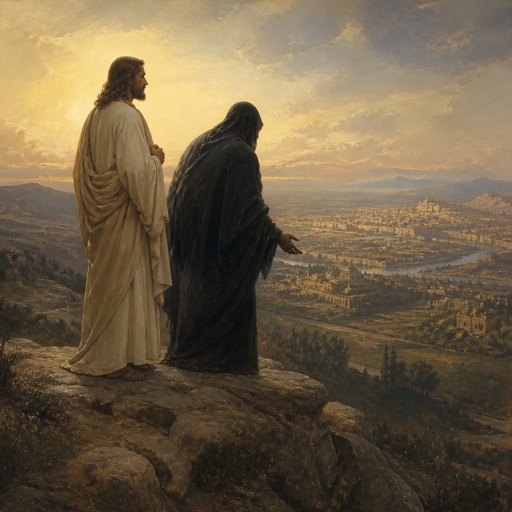
"Again, the devil taketh him up into an exceeding high mountain, and sheweth him all the kingdoms of the world, and the glory of them;" - Matthew 4:8

Matthew 4:10

Matthew 4:1

Matthew 6:4

Matthew 2:3-4

Matthew 2:3-4

Matthew 5:8 - "Blessed are the pure in heart: for they shall see God."

Matthew 3:8 - "Bring forth therefore fruits meet for repentance:"

Matthew 12:8 - "For the Son of man is Lord even of the sabbath day."

Matthew 2:3-4