What does Matthew 9:6 mean?
"But that ye may know that the Son of man hath power on earth to forgive sins, (then saith he to the sick of the palsy,) Arise, take up thy bed, and go unto thine house." - Matthew 9:6
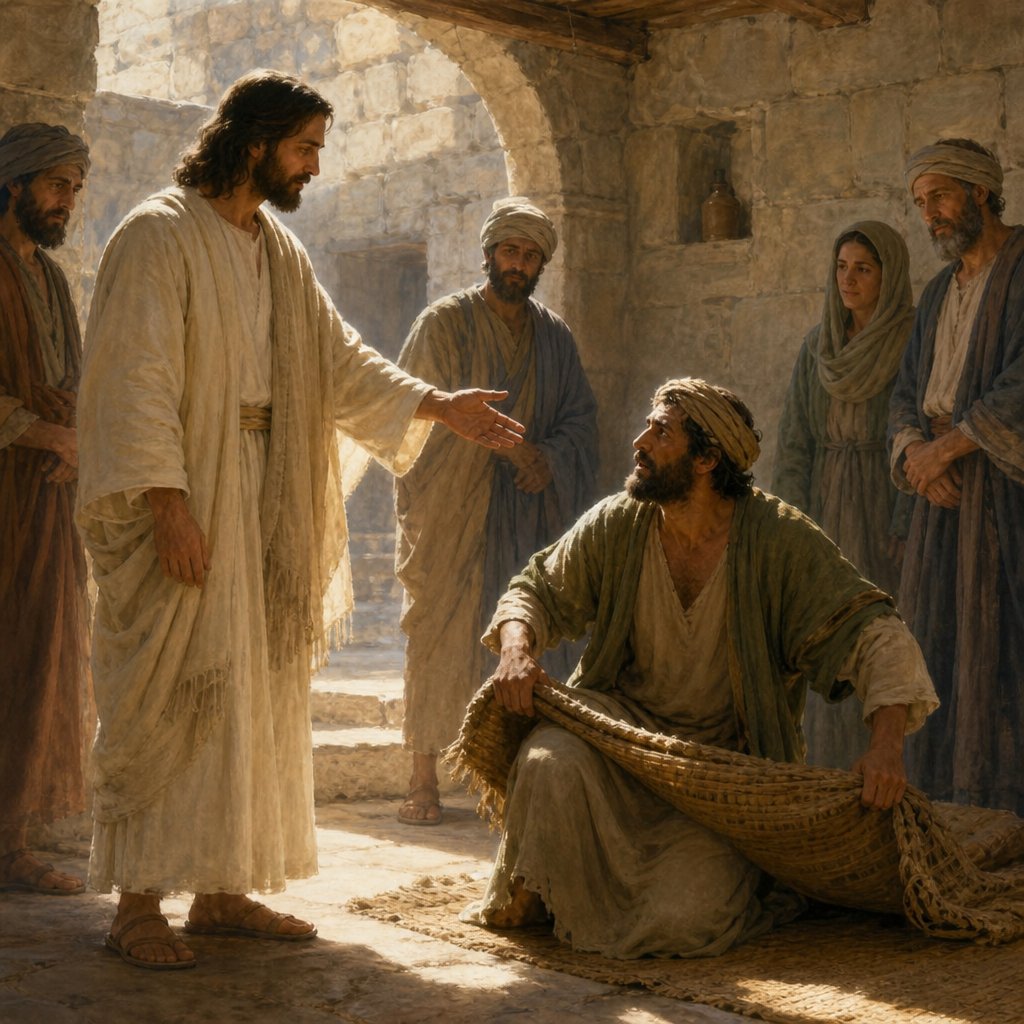
Matthew 9:6 (KJV): "But that ye may know that the Son of man hath power on earth to forgive sins, (then saith he to the sick of the palsy,) Arise, take up thy bed, and go unto thine house."
This verse is part of the larger story about Jesus healing a man sick with palsy. The significance of this verse lies in its demonstration of Jesus' divine power and authority as the Son of God. It is a powerful affirmation of Jesus' ability to forgive sins and perform miraculous healings, showcasing his divine nature and purpose.
The context of this verse is that Jesus had just told the sick man that his sins were forgiven. This statement was met with skepticism and disbelief by the scribes who were present, as they believed that only God could forgive sins. Jesus then uses this moment to teach the scribes and the people around him about his authority and power as the Son of God. He performs a physical healing to demonstrate his spiritual authority, showing that the two are interconnected and that he truly has the power to forgive sins.
The themes present in this verse include the divine authority of Jesus, the interconnectedness of the physical and spiritual realms, and the importance of faith. Jesus' declaration that the Son of Man has the power to forgive sins is a bold statement of his divinity and his unique role as the Savior of the world. The physical healing of the man with palsy serves as a tangible demonstration of Jesus' spiritual authority, reinforcing the idea that our physical well-being is intertwined with our spiritual health. And finally, the importance of faith is evident in the response of the sick man, who is instructed to arise, take up his bed, and go to his house. His faith and obedience in response to Jesus' command are crucial to the manifestation of his healing.
This verse is also rich in symbolism. The phrase "the Son of man" is a title that Jesus often used to refer to himself throughout the Gospels. It comes from the book of Daniel in the Old Testament, where it is used to describe a divine figure who is given authority and dominion over all things by the Ancient of Days (God). By using this title, Jesus is intentionally associating himself with this prophetic figure, emphasizing his divine nature and his role as the appointed ruler over all creation.
The physical healing of the man with palsy also carries symbolic significance. In the Gospel of Matthew, physical ailments are often used as a metaphor for spiritual sickness and sin. By healing the man of his palsy, Jesus is not only demonstrating his power over physical illness, but also his ability to cure the spiritual sickness of sin. The command for the man to arise, take up his bed, and go to his house can be seen as a symbolic representation of the new life that comes from being healed and forgiven by Jesus. It is a call to leave behind the old way of life and embrace the new life that comes from faith in Christ.
In conclusion, Matthew 9:6 is a powerful and significant verse that highlights Jesus' divine authority, the interconnectedness of the physical and spiritual, and the importance of faith. It serves as a reminder of Jesus' unique role as the Son of God and the Savior of the world, and it challenges us to not only believe in his power to heal and forgive, but to respond in faith and obedience to his call.
Have questions about Matthew 9:6?
Dive deeper into this scripture with Bible Chat — an AI-powered tool for exploring God's Word through conversation. Ask questions, get context, and grow in your understanding of the Bible.
Get Our Apps


Matthew 9:6 Artwork

Matthew 9:6 - "But that ye may know that the Son of man hath power on earth to forgive sins, (then saith he to the sick of the palsy,) Arise, take up thy bed, and go unto thine house."

Matthew 9:6 But that you may know that the Son of Man has power on earth to forgive sins”—then He said to the paralytic, “Arise, take up your bed, and go to your house.”
"But that ye may know that the Son of man hath power on earth to forgive sins, (then saith he to the sick of the palsy,) Arise, take up thy bed, and go unto thine house." - Matthew 9:6

Matthew 6:9-13

Matthew 6:9 - "After this manner therefore pray ye: Our Father which art in heaven, Hallowed be thy name."

Matthew 6:6

Matthew 9:21

Matthew 6:23

Matthew 9:21-22
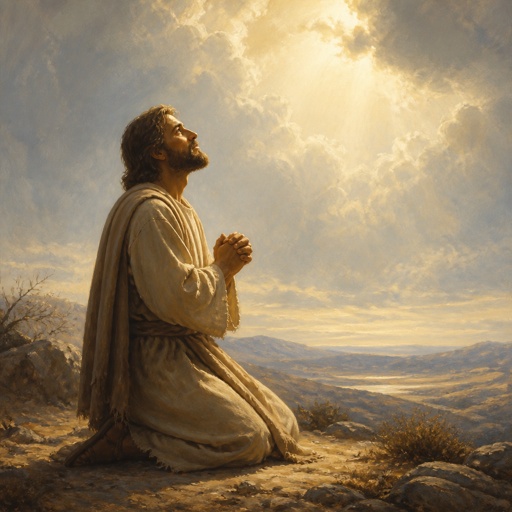
"After this manner therefore pray ye: Our Father which art in heaven, Hallowed be thy name." - Matthew 6:9

Matthew 9:21-22

Matthew 9:21-22

Matthew 9:21-22

Matthew 9:21-22

Matthew 2:9

Matthew 9:9 - "¶ And as Jesus passed forth from thence, he saw a man, named Matthew, sitting at the receipt of custom: and he saith unto him, Follow me. And he arose, and followed him."

Matthew 2:9

Matthew 18:6

Matthew 6:34

Matthew 18:6

Matthew 6:18

Matthew 6:14

Matthew 6:22

Matthew 6:24

Matthew 6:30

Matthew 6:22

Matthew 6:5

Matthew 6:34

Matthew 6:24

Matthew 6:2