What does Micah 6:7 mean?
“Will the LORD be pleased with thousands of rams, or with ten thousands of rivers of oil? shall I give my firstborn for my transgression, the fruit of my body for the sin of my soul?” — Micah 6:7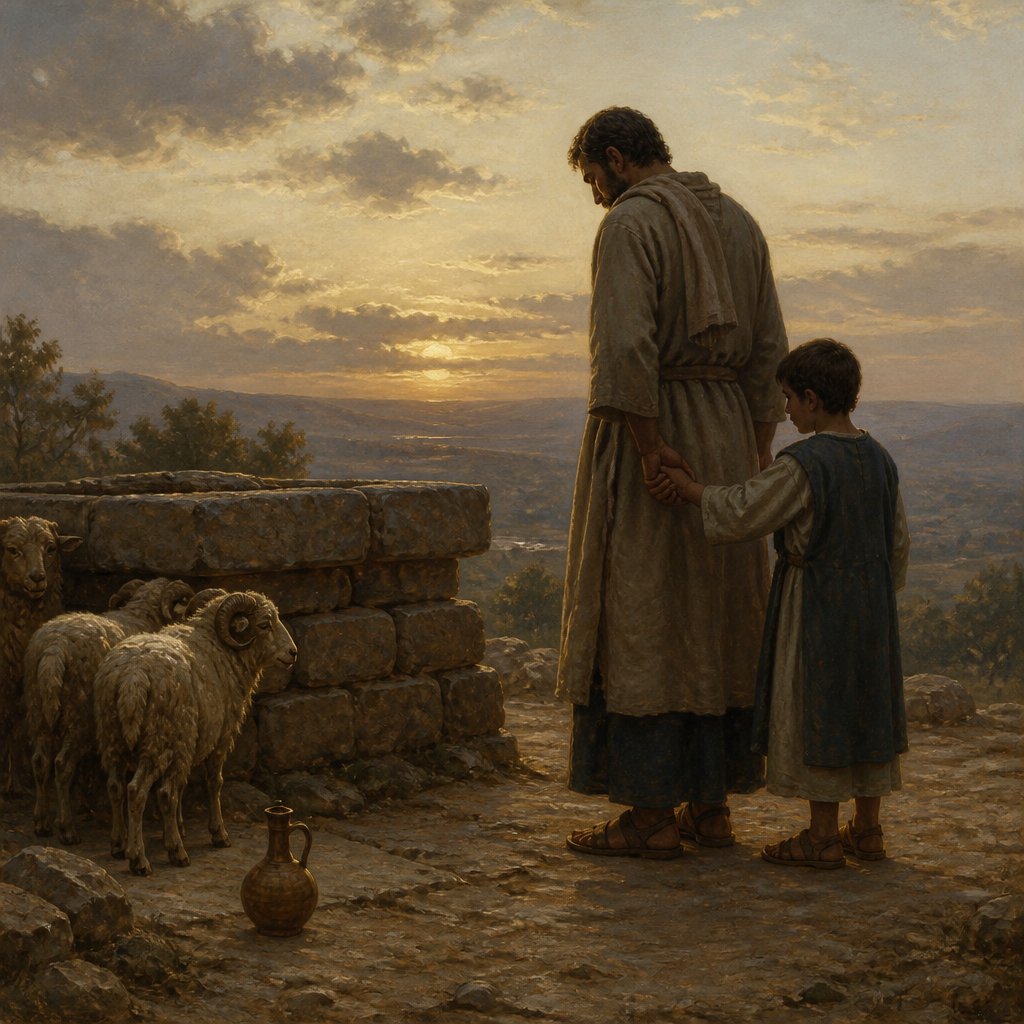
Micah 6:7 King James Version (KJV)
7 Will the Lord be pleased with thousands of rams, or with ten thousands of rivers of oil? shall I give my firstborn for my transgression, the fruit of my body for the sin of my soul?
Micah 6:7 is a thought-provoking verse that delves into the concept of sacrifice and retribution. This verse reflects the deep longing of humanity to seek reconciliation with the divine, and the desperation to find a way to atone for sins and transgressions. It also serves as a reminder of the futility of human efforts to appease God through material offerings and extreme sacrifices.
The book of Micah is part of the twelve Minor Prophets in the Old Testament and is attributed to the prophet Micah who prophesied during the reigns of Kings Jotham, Ahaz, and Hezekiah of Judah. Micah spoke out against the injustices and immoralities of his time, warning the people of the impending judgment of God. In chapter 6, the prophet challenges the people of Israel to defend their faith and actions before God in a courtroom-like setting, portraying God as the plaintiff and Israel as the defendant.
In verse 7, the speaker questions whether the Lord would be pleased with materialistic offerings such as thousands of rams or ten thousands of rivers of oil. This rhetorical question highlights the inadequacy of external displays of piety in appeasing God. The emphasis on extravagant offerings reflects the prevailing religious practices of the time, where the people believed that by making elaborate sacrifices, they could earn God's favor and forgiveness. However, the verse challenges this notion by suggesting that such offerings are insufficient to atone for sin.
The next part of the verse presents an even more drastic proposal – giving one's firstborn for transgression or the fruit of one's body for the sin of the soul. This imagery serves as a powerful and disturbing illustration of the extreme lengths to which people might go in their search for redemption. The idea of sacrificing one's own child for the forgiveness of sins is deeply unsettling, and it highlights the desperation and misguided beliefs of the speaker.
The verse raises fundamental questions about the nature of sacrifice, punishment, and divine justice. It brings to the forefront the tension between human actions and divine grace, and the innate human desire to seek forgiveness and absolution. The underlying theme of the verse is the inadequacy of material offerings to truly address the spiritual and moral shortcomings of humanity. It challenges the superficiality of religious rituals and external displays of devotion, calling for a deeper, more sincere form of repentance and atonement.
The context of Micah 6:7 can be understood against the backdrop of the socio-political and religious climate of ancient Israel. During the prophet's time, there was widespread corruption, oppression of the poor, and idolatry among the people. Micah's message sought to remind the people of the true demands of God – to act justly, love mercy, and walk humbly with Him. The verse serves as a sharp critique of the distorted religious practices and misplaced priorities of the people, urging them to seek a more genuine and heartfelt relationship with God.
The symbolism in Micah 6:7 lies in the contrasting images of material wealth and extreme sacrifice. The mention of thousands of rams and ten thousands of rivers of oil symbolizes the folly of placing value in material possessions and external displays of piety. On the other hand, the idea of giving one's firstborn or the fruit of one's body represents the ultimate sacrifice, reflecting the extreme measures that people might resort to in their pursuit of divine favor. These symbols convey the overarching message of the verse – that true repentance and reconciliation with God cannot be achieved through external actions or material offerings, but through a genuine transformation of the heart and a sincere commitment to righteousness.
In conclusion, Micah 6:7 offers a powerful and timeless reflection on the nature of sacrifice, repentance, and divine justice. It challenges the superficiality of religious practices and material offerings, and calls for a deeper, more sincere form of atonement. The verse serves as a poignant reminder of the inadequacy of human efforts to appease God, and the true demands of divine justice – to act justly, love mercy, and walk humbly with Him.
Get our apps


Artwork for Micah 6:7

Micah 6:7 - "Will the LORD be pleased with thousands of rams, or with ten thousands of rivers of oil? shall I give my firstborn for my transgression, the fruit of my body for the sin of my soul?"
"Will the LORD be pleased with thousands of rams, or with ten thousands of rivers of oil? shall I give my firstborn for my transgression, the fruit of my body for the sin of my soul?" - Micah 6:7

Micah 6:6

Micah 7:6 - "For the son dishonoureth the father, the daughter riseth up against her mother, the daughter in law against her mother in law; a man's enemies are the men of his own house."

Micah 6:8

Micah 7:17

Micah 6:10 - "¶ Are there yet the treasures of wickedness in the house of the wicked, and the scant measure that is abominable?"

Micah 7:7 - "Therefore I will look unto the LORD; I will wait for the God of my salvation: my God will hear me."

Micah 7:11 - "In the day that thy walls are to be built, in that day shall the decree be far removed."

Micah 6:11 - "Shall I count them pure with the wicked balances, and with the bag of deceitful weights?"

Micah 7:13 - "Notwithstanding the land shall be desolate because of them that dwell therein, for the fruit of their doings."

Micah 2:6 - "Prophesy ye not, say they to them that prophesy: they shall not prophesy to them, that they shall not take shame."

Micah 3:7 - "Then shall the seers be ashamed, and the diviners confounded: yea, they shall all cover their lips; for there is no answer of God."

Micah 6:6 - "¶ Wherewith shall I come before the LORD, and bow myself before the high God? shall I come before him with burnt offerings, with calves of a year old?"

Micah 6:12 - "For the rich men thereof are full of violence, and the inhabitants thereof have spoken lies, and their tongue is deceitful in their mouth."

Micah 7:15 - "According to the days of thy coming out of the land of Egypt will I shew unto him marvellous things."

Micah 7:16 - "¶ The nations shall see and be confounded at all their might: they shall lay their hand upon their mouth, their ears shall be deaf."

Micah 6:13 - "Therefore also will I make thee sick in smiting thee, in making thee desolate because of thy sins."

Micah 4:6 - "In that day, saith the LORD, will I assemble her that halteth, and I will gather her that is driven out, and her that I have afflicted;"

Micah 6:1 - "Hear ye now what the LORD saith; Arise, contend thou before the mountains, and let the hills hear thy voice."

Micah 7:5 - "¶ Trust ye not in a friend, put ye not confidence in a guide: keep the doors of thy mouth from her that lieth in thy bosom."

Micah 6:9 - "The LORD'S voice crieth unto the city, and the man of wisdom shall see thy name: hear ye the rod, and who hath appointed it."

Micah 6:3 - "O my people, what have I done unto thee? and wherein have I wearied thee? testify against me."

Micah 7:20 - "Thou wilt perform the truth to Jacob, and the mercy to Abraham, which thou hast sworn unto our fathers from the days of old."

Micah 6:2 - "Hear ye, O mountains, the LORD'S controversy, and ye strong foundations of the earth: for the LORD hath a controversy with his people, and he will plead with Israel."

Micah 5:7 - "And the remnant of Jacob shall be in the midst of many people as a dew from the LORD, as the showers upon the grass, that tarrieth not for man, nor waiteth for the sons of men."

Micah 7:1 - "Woe is me! for I am as when they have gathered the summer fruits, as the grapegleanings of the vintage: there is no cluster to eat: my soul desired the firstripe fruit."

Micah 1:6 - "Therefore I will make Samaria as an heap of the field, and as plantings of a vineyard: and I will pour down the stones thereof into the valley, and I will discover the foundations thereof."
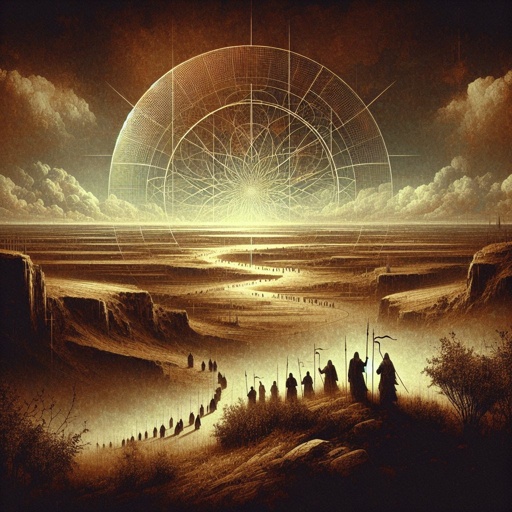
Micah 7:4 - "The best of them is as a brier: the most upright is sharper than a thorn hedge: the day of thy watchmen and thy visitation cometh; now shall be their perplexity."

"¶ Are there yet the treasures of wickedness in the house of the wicked, and the scant measure that is abominable?" - Micah 6:10