What does Nehemiah 10:14 mean?
“The chief of the people; Parosh, Pahath-moab, Elam, Zatthu, Bani,” — Nehemiah 10:14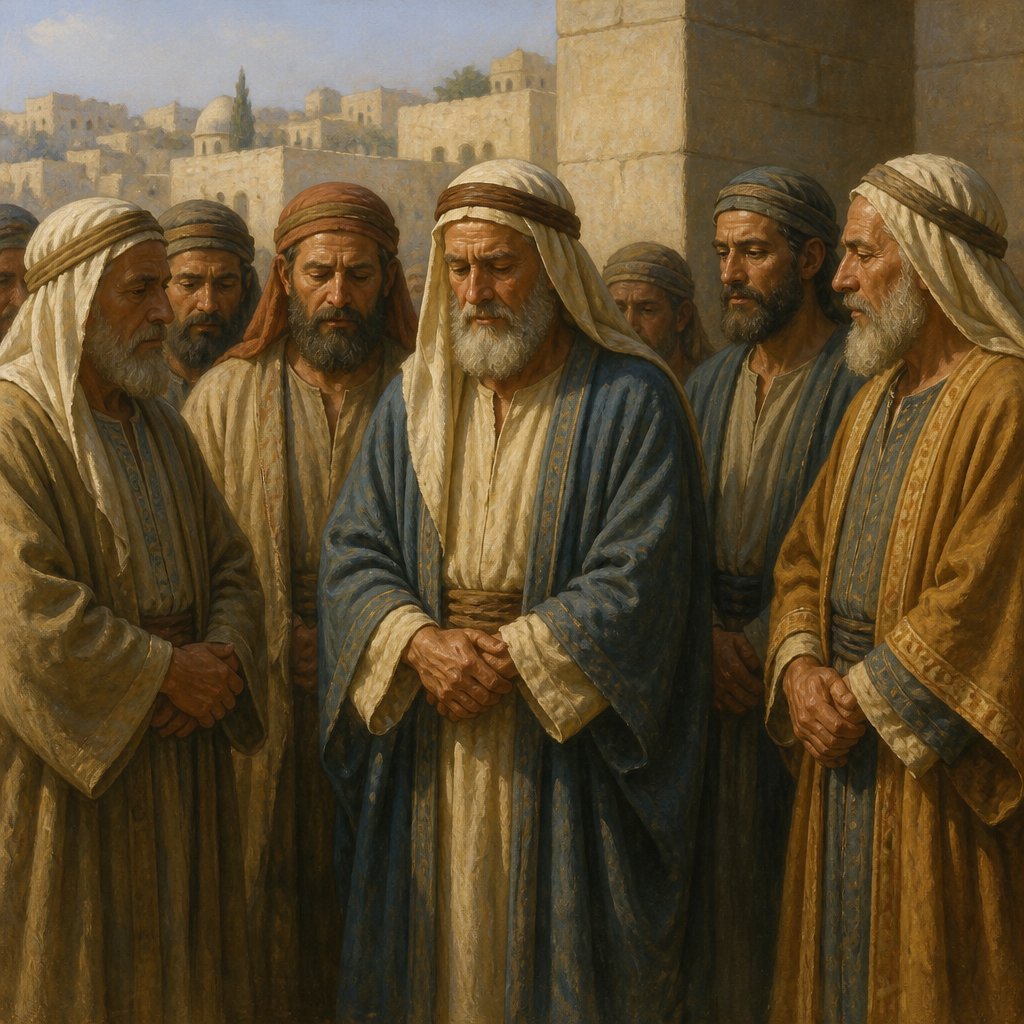
Nehemiah 10:14 (KJV) says, "And the chief of the people; Parosh, Pahath-moab, Elam, Zatthu, Bani,"
This verse comes from the book of Nehemiah, which is a historical and narrative book found in the Old Testament of the Bible. The book of Nehemiah takes place after the Babylonian exile, when the Israelites are allowed to return to Jerusalem and rebuild the city. Nehemiah, a leader and cupbearer to the Persian king, is tasked with leading the people in the reconstruction of the city walls and the restoration of the temple.
The verse itself lists the names of four individuals who were among the leaders of the people as they made a covenant with God and pledged to follow His laws. This passage is part of a longer list of names of those who sealed the covenant, indicating their commitment to honoring God.
In order to understand the deeper meaning and commentary of this verse, it is important to look at the historical and cultural context in which it was written. The people of Israel had just returned from exile and were in the process of rebuilding their community. The act of sealing a covenant with God was significant, as it indicated their dedication to following God's laws and seeking His favor as they worked to rebuild their lives. The names listed in this verse represent the leaders and representatives of the community who were actively involved in this commitment.
The names mentioned in the passage hold symbolic significance as well. In biblical times, names often carried meaning and represented a person's character or identity. Parosh, Pahath-moab, Elam, and Zatthu were all prominent figures within the community, and their inclusion in the covenant sealing emphasized the unity and commitment of the people as a whole.
Furthermore, the act of making a covenant with God was a significant theme throughout the Old Testament. A covenant was a solemn agreement between God and His people, in which both parties committed to certain obligations. By pledging to follow God's laws and honor His commandments, the people of Israel were reaffirming their relationship with God and seeking His guidance and protection as they sought to rebuild their community.
The act of sealing the covenant was a formal and binding commitment, underscoring the importance of their dedication to following God's will. This verse serves as a reminder of the significance of the covenant and the unity of the community in their commitment to God.
The broader theme of dedication and commitment to God is central to the verse, reflecting the overarching message of the entire book of Nehemiah. The Israelites' willingness to make a covenant with God and honor His laws was an expression of their desire to remain faithful to Him as they rebuilt their lives and their community.
In conclusion, Nehemiah 10:14 holds both historical and symbolic significance within the larger context of the book. The verse underscores the importance of the covenant and the unity of the community in their commitment to following God's laws. It serves as a reminder of the people's dedication to God as they sought to rebuild their lives and honor His will. Ultimately, this verse reflects the enduring theme of faithfulness and commitment to God that resonates throughout the biblical narrative.
Get our apps


Artwork for Nehemiah 10:14

Nehemiah 10:14 - "The chief of the people; Parosh, Pahath-moab, Elam, Zatthu, Bani,"
"The chief of the people; Parosh, Pahath-moab, Elam, Zatthu, Bani," - Nehemiah 10:14

Nehemiah 10:1 - "Now those that sealed were, Nehemiah, the Tirshatha, the son of Hachaliah, and Zidkijah,"

Nehemiah 10:10 - "And their brethren, Shebaniah, Hodijah, Kelita, Pelaiah, Hanan,"

Nehemiah 8:10

Nehemiah 8:10

Nehemiah 8:10

Nehemiah 11:11-14

Nehemiah 12:14 - "Of Melicu, Jonathan; of Shebaniah, Joseph;"

Nehemiah 10:24 - "Hallohesh, Pileha, Shobek,"

Nehemiah 10:22 - "Pelatiah, Hanan, Anaiah,"

Nehemiah 10:5 - "Harim, Meremoth, Obadiah,"

Nehemiah 10:23 - "Hoshea, Hananiah, Hashub,"

Nehemiah 10:21 - "Meshezabeel, Zadok, Jaddua,"

Nehemiah 10:7 - "Meshullam, Abijah, Mijamin,"

Nehemiah 10:11 - "Micha, Rehob, Hashabiah,"

Nehemiah 10:27 - "Malluch, Harim, Baanah."

Nehemiah 10:25 - "Rehum, Hashabnah, Maaseiah,"

Nehemiah 10:19 - "Hariph, Anathoth, Nebai,"

Nehemiah 10:6 - "Daniel, Ginnethon, Baruch,"

Nehemiah 10:26 - "And Ahijah, Hanan, Anan,"

Nehemiah 10:16 - "Adonijah, Bigvai, Adin,"

Nehemiah 10:18 - "Hodijah, Hashum, Bezai,"

Nehemiah 10:20 - "Magpiash, Meshullam, Hezir,"

Nehemiah 10:3 - "Pashur, Amariah, Malchijah,"

Nehemiah 10:17 - "Ater, Hizkijah, Azzur,"

Nehemiah 10:4 - "Hattush, Shebaniah, Malluch,"

Nehemiah 10:2 - "Seraiah, Azariah, Jeremiah,"

Nehemiah 10:12 - "Zaccur, Sherebiah, Shebaniah,"

Nehemiah 10:15 - "Bunni, Azgad, Bebai,"