Nehemiah 10:2 (KJV) says, "Seraiah, Azariah, Jeremiah." Though this verse may seem brief and lacking in significance at first glance, when placed in its proper context within the book of Nehemiah, it takes on much deeper meaning and symbolism.
The book of Nehemiah is set during a critical period in Israel's history, following the exile and subsequent return of the Israelites to their homeland. Nehemiah, a cupbearer to the king of Persia, is called by God to lead the rebuilding of the walls of Jerusalem. The book chronicles the challenges and triumphs of this monumental task, as well as the spiritual renewal of the people of Israel.
Within this context, Nehemiah 10:2 is part of a list of names of those who, in the aftermath of the walls being rebuilt, affixed their seal to a written covenant. This covenant was a commitment by the people of Israel to follow God's laws and commands, and to live in accordance with His will. The act of signing this covenant was a solemn and binding agreement to be faithful to God and to one another as a community.
The mention of the names Seraiah, Azariah, and Jeremiah in this verse is significant in several ways. Firstly, the use of individual names in the Bible often carries symbolic significance, as each name has its own unique meaning. Seraiah means "prince of the Lord," Azariah means "the Lord has helped," and Jeremiah means "the Lord will exalt." Each of these names reflects the themes of leadership, divine assistance, and exaltation, which are central to the narrative of Nehemiah.
Furthermore, in the biblical tradition, names are not just labels, but are seen as significant indicators of one's character and destiny. These names, therefore, serve as a reminder to the Israelites of the qualities they should aspire to embody as they commit themselves to the covenant.
In a broader sense, the verse also highlights the importance of individual commitment within the community of believers. Each person who signed the covenant did so voluntarily and with full awareness of the responsibilities it entailed. By specifically naming individuals, the verse emphasizes the personal investment and accountability of each member of the community in upholding their part of the covenant.
The act of signing a written agreement carries with it a sense of permanence and accountability. By affixing their seals to the covenant, the Israelites were making a public declaration of their dedication to God and to one another. This act served as a unifying force, binding the people together in their shared commitment to follow God's law.
The verse also serves as a reminder of the power of collective action and solidarity within the community of believers. The names listed in Nehemiah 10:2 represent just a few of the many individuals who joined together in this commitment. Their collective participation demonstrates the strength that comes from unity and shared purpose in the pursuit of God's will.
In conclusion, Nehemiah 10:2 may appear to be a simple listing of names, but when understood within the broader context of the book, it takes on profound significance. It serves as a representation of the personal commitment and accountability of each individual within the community, as well as the collective unity and solidarity that comes from a shared dedication to following God's will. The names mentioned in this verse also carry symbolic weight, representing the qualities and aspirations that the community of believers should strive to embody. This verse, therefore, serves as a powerful reminder of the importance of covenantal faithfulness and the strength that comes from a community of believers united in their commitment to God.
Get our apps


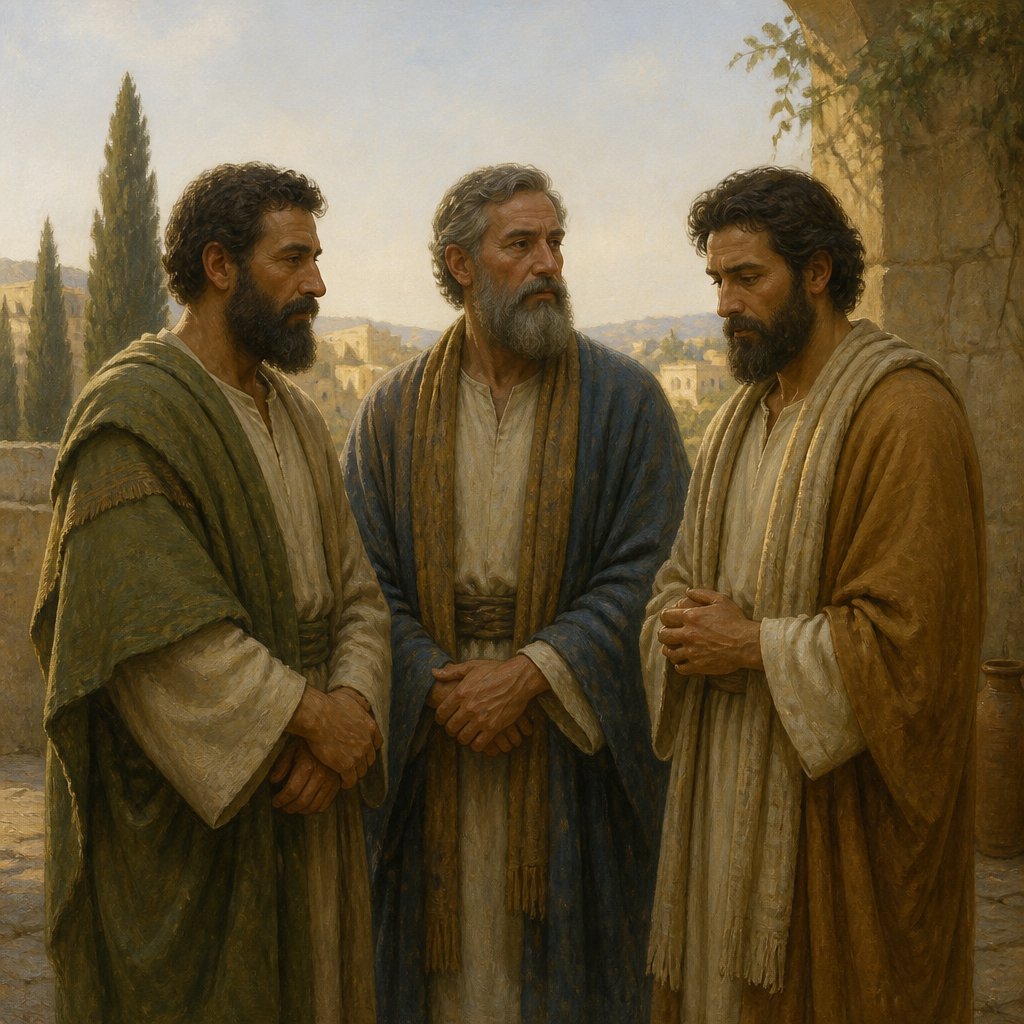
Artwork for Nehemiah 10:2

Nehemiah 10:2 - "Seraiah, Azariah, Jeremiah,"
"Seraiah, Azariah, Jeremiah," - Nehemiah 10:2

Nehemiah 2:10 - "When Sanballat the Horonite, and Tobiah the servant, the Ammonite, heard of it, it grieved them exceedingly that there was come a man to seek the welfare of the children of Israel."

Nehemiah 10:1 - "Now those that sealed were, Nehemiah, the Tirshatha, the son of Hachaliah, and Zidkijah,"

Nehemiah 10:10 - "And their brethren, Shebaniah, Hodijah, Kelita, Pelaiah, Hanan,"

Nehemiah 8:10

Nehemiah 8:10

Nehemiah 8:10

Nehemiah 10:24 - "Hallohesh, Pileha, Shobek,"

Nehemiah 10:22 - "Pelatiah, Hanan, Anaiah,"

Nehemiah 10:5 - "Harim, Meremoth, Obadiah,"

Nehemiah 10:23 - "Hoshea, Hananiah, Hashub,"

Nehemiah 10:21 - "Meshezabeel, Zadok, Jaddua,"

Nehemiah 10:7 - "Meshullam, Abijah, Mijamin,"

Nehemiah 10:11 - "Micha, Rehob, Hashabiah,"

Nehemiah 10:27 - "Malluch, Harim, Baanah."

Nehemiah 10:25 - "Rehum, Hashabnah, Maaseiah,"

Nehemiah 10:19 - "Hariph, Anathoth, Nebai,"

Nehemiah 10:6 - "Daniel, Ginnethon, Baruch,"

Nehemiah 10:26 - "And Ahijah, Hanan, Anan,"

Nehemiah 10:16 - "Adonijah, Bigvai, Adin,"

Nehemiah 10:18 - "Hodijah, Hashum, Bezai,"

Nehemiah 10:20 - "Magpiash, Meshullam, Hezir,"

Nehemiah 10:3 - "Pashur, Amariah, Malchijah,"

Nehemiah 10:17 - "Ater, Hizkijah, Azzur,"

Nehemiah 10:4 - "Hattush, Shebaniah, Malluch,"

Nehemiah 10:12 - "Zaccur, Sherebiah, Shebaniah,"

Nehemiah 10:15 - "Bunni, Azgad, Bebai,"

Nehemiah 10:13 - "Hodijah, Bani, Beninu."

Nehemiah 11:10 - "Of the priests: Jedaiah the son of Joiarib, Jachin."