What does Nehemiah 10:30 mean?
“And that we would not give our daughters unto the people of the land, nor take their daughters for our sons:” — Nehemiah 10:30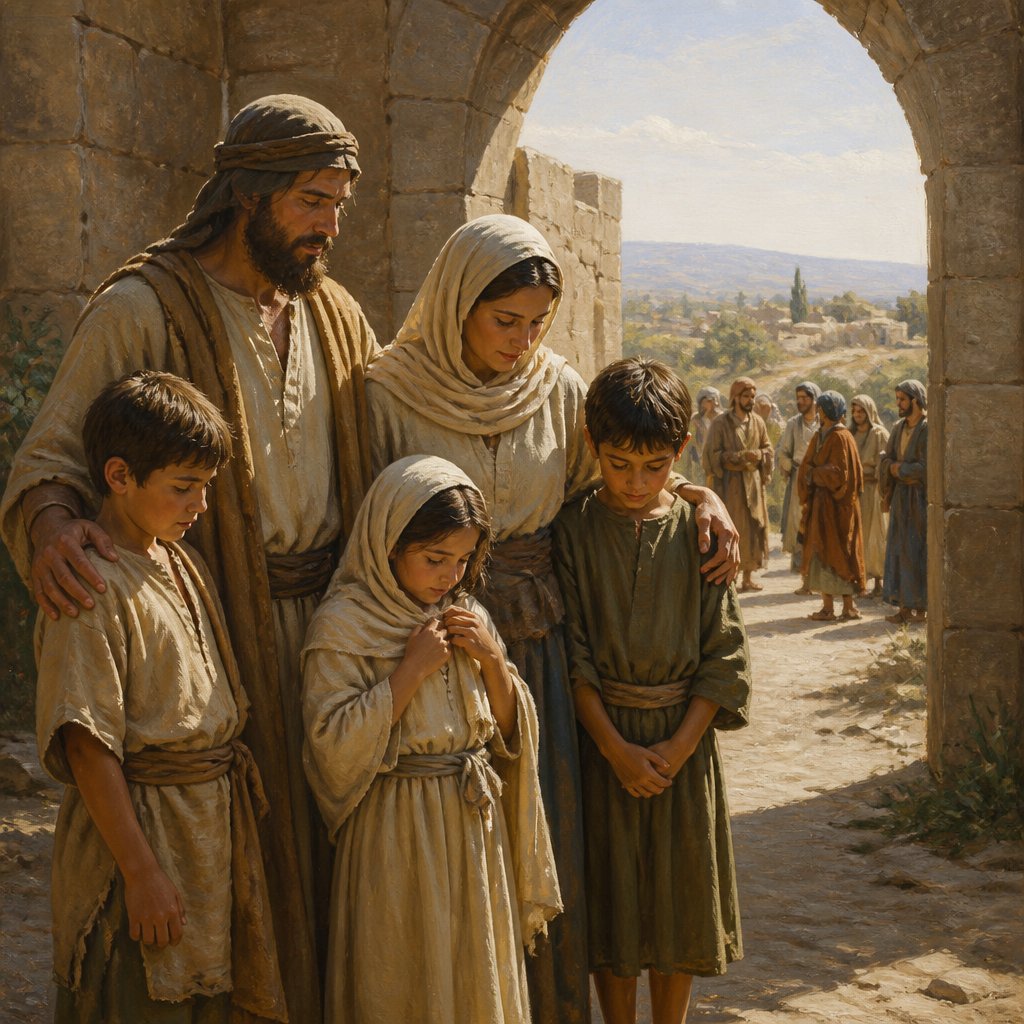
Nehemiah 10:30 (KJV) states, "And that we would not give our daughters unto the people of the land, not take their daughters for our sons."
This verse comes from the book of Nehemiah, which is a historical account of the rebuilding of Jerusalem after the Babylonian exile. Nehemiah and the Israelites had just finished signing a covenant to faithfully obey the laws of God, and this verse is one of the specific commitments they made to ensure their separation from the surrounding peoples.
The context of this verse is that the Israelites had returned to Jerusalem and were working to re-establish their identity as God's chosen people. They were making a renewed commitment to obey God's laws and to separate themselves from the practices and influences of the surrounding nations. Intermarriage with the people of the land was a direct violation of God's commands and was seen as a threat to the purity of the Israelites' worship and culture.
The theme of separation and commitment to God's laws is prominent in this verse. The Israelites were affirming their dedication to God by making a covenant to uphold the principles of their faith. This included a commitment to not intermarry with the people of the land, which was a clear boundary set by God to maintain the distinctiveness of His chosen people.
The symbolism in this verse lies in the idea of spiritual purity and allegiance to God. Marriage in the Bible often symbolizes a deep and intimate union, and in the context of the Israelites, intermarriage with the people of the land represented a compromising of their faith and their identity as God's chosen people. By refusing to give their daughters to the people of the land and not taking their daughters for their sons, the Israelites were symbolically declaring their commitment to remain pure and faithful in their allegiance to God.
Furthermore, the verse reflects the idea of cultural and spiritual preservation. The Israelites recognized the importance of preserving their unique identity and faith in the midst of a surrounding culture that worshipped other gods and had different values. By adhering to God's commands regarding marriage, they were safeguarding their culture and religious heritage for future generations.
In a broader theological sense, this verse also points to the spiritual principle of being "unequally yoked" with unbelievers, as mentioned in 2 Corinthians 6:14. The idea is that believers should not form deep, binding relationships with those who do not share their faith, as it can lead to spiritual compromise and hinder one's devotion to God.
In conclusion, Nehemiah 10:30 is a powerful declaration of the Israelites' commitment to obey God's laws and remain separate from the influences of the surrounding nations. It emphasizes the themes of spiritual purity, cultural preservation, and allegiance to God. The verse serves as a reminder for believers to uphold their faith and values in the face of cultural pressures and to prioritize their relationship with God above all else.
Get our apps


Artwork for Nehemiah 10:30
Nehemiah 10:30 - "And that we would not give our daughters unto the people of the land, nor take their daughters for our sons:"
"And that we would not give our daughters unto the people of the land, nor take their daughters for our sons:" - Nehemiah 10:30

Nehemiah 7:30 - "The men of Ramah and Geba, six hundred twenty and one."

Nehemiah 12:30 - "And the priests and the Levites purified themselves, and purified the people, and the gates, and the wall."

Nehemiah 10:1 - "Now those that sealed were, Nehemiah, the Tirshatha, the son of Hachaliah, and Zidkijah,"

Nehemiah 10:10 - "And their brethren, Shebaniah, Hodijah, Kelita, Pelaiah, Hanan,"

Nehemiah 8:10

Nehemiah 8:10

Nehemiah 8:10

Nehemiah 10:24 - "Hallohesh, Pileha, Shobek,"

Nehemiah 10:22 - "Pelatiah, Hanan, Anaiah,"

Nehemiah 10:5 - "Harim, Meremoth, Obadiah,"

Nehemiah 10:23 - "Hoshea, Hananiah, Hashub,"

Nehemiah 10:21 - "Meshezabeel, Zadok, Jaddua,"

Nehemiah 10:7 - "Meshullam, Abijah, Mijamin,"

Nehemiah 10:11 - "Micha, Rehob, Hashabiah,"

Nehemiah 10:27 - "Malluch, Harim, Baanah."

Nehemiah 10:25 - "Rehum, Hashabnah, Maaseiah,"

Nehemiah 10:19 - "Hariph, Anathoth, Nebai,"

Nehemiah 10:6 - "Daniel, Ginnethon, Baruch,"

Nehemiah 10:26 - "And Ahijah, Hanan, Anan,"

Nehemiah 10:16 - "Adonijah, Bigvai, Adin,"

Nehemiah 10:18 - "Hodijah, Hashum, Bezai,"

Nehemiah 10:20 - "Magpiash, Meshullam, Hezir,"

Nehemiah 10:3 - "Pashur, Amariah, Malchijah,"

Nehemiah 10:17 - "Ater, Hizkijah, Azzur,"

Nehemiah 10:4 - "Hattush, Shebaniah, Malluch,"

Nehemiah 10:2 - "Seraiah, Azariah, Jeremiah,"

Nehemiah 10:12 - "Zaccur, Sherebiah, Shebaniah,"

Nehemiah 10:15 - "Bunni, Azgad, Bebai,"